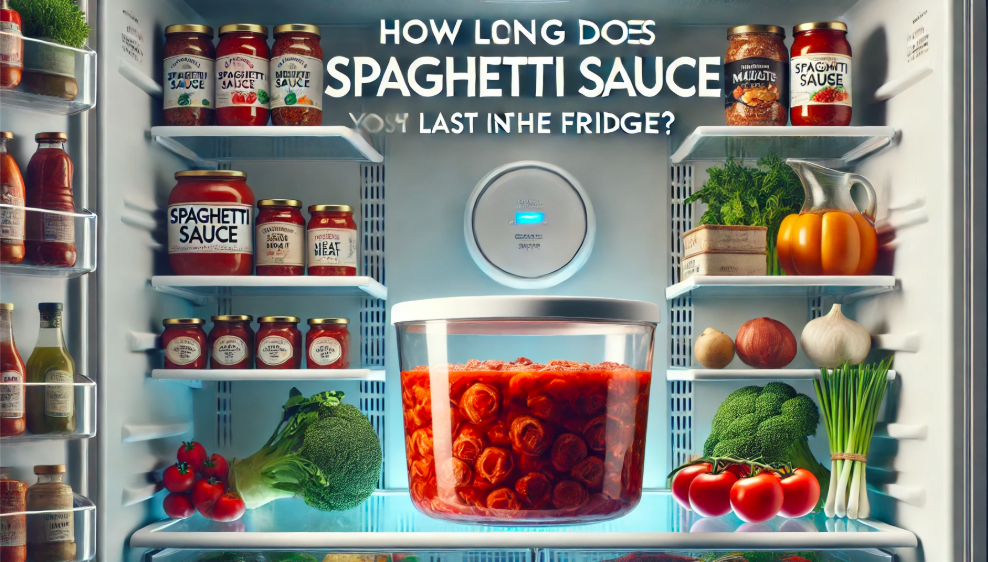
Spaghetti sauce with meat typically lasts in the fridge for 3 to 4 days when stored properly in an airtight container. To ensure its quality and safety, make sure the sauce is cooled down to room temperature before refrigerating, and always check for signs of spoilage, such as an off smell, mold, or changes in texture, before consuming.
If you need to store it for a longer period, freezing the sauce is a great option. It can last up to 4 to 6 months in the freezer.
Factors Affecting The Longevity Of Meat-Based Spaghetti Sauce
The shelf life of meat-based spaghetti sauce depends on several factors:
- Ingredients: The type of meat used can affect how long the sauce stays good. For example, sauces with beef or pork may spoil faster than those with chicken or turkey.
- Preparation Method: How the sauce is made influences its longevity. Homemade sauces without preservatives typically last 3-4 days in the refrigerator.
- Storage Conditions: Proper storage is crucial. Always refrigerate meat-based spaghetti sauce promptly in airtight containers to minimize exposure to air and contaminants.
- Temperature: Keeping the sauce at a consistent, cold temperature slows down the growth of bacteria. Ensure your refrigerator is set below 40°F (4°C).
- Exposure to Air: Reducing the sauce's contact with air helps prevent spoilage. Use airtight containers to store the sauce.
- Cross-Contamination: Avoid mixing the sauce with other foods or utensils that may introduce bacteria. Always use clean utensils when handling the sauce.
- Preservatives: Commercial sauces often contain preservatives that extend their shelf life. Homemade sauces lack these, so they spoil faster.
- Acidity: Tomato-based sauces are more acidic, which can help preserve them. However, adding meat lowers the overall acidity, making the sauce more prone to spoilage.
How To Store Spaghetti Sauce With Meat For Maximum Freshness
To keep your spaghetti sauce with meat fresh and safe to eat, follow these simple steps:
1. Cooling the Sauce:
Quick Cooling: After cooking, let the sauce cool down to room temperature within two hours. This helps prevent bacteria growth.
2. Storing in the Refrigerator:
- Airtight Containers: Transfer the cooled sauce into airtight containers or resealable plastic bags. This keeps out air and moisture, maintaining quality.
- Proper Sealing: Ensure the containers are sealed tightly to avoid contamination.
- Refrigeration: Store the sauce in the refrigerator at or below 40°F (4°C). Proper refrigeration slows bacterial growth.
- Shelf Life: Use the refrigerated sauce within 3 to 4 days for the best taste and safety.
Signs That Your Spaghetti Sauce with Meat Has Gone Bad
Here is the revised answer with references included at the end:
To ensure your spaghetti sauce with meat is safe to eat, watch for these signs of spoilage:
- Unpleasant Smell: If the sauce has a sour or rotten odor, it's a clear indication that it has spoiled.
- Mold Growth: Visible mold on the surface or inside the jar means the sauce is unsafe to consume.
- Color Changes: A significant change in color, such as darkening or fading, can indicate spoilage.
- Texture Alterations: If the sauce has become unusually thick, slimy, or separated, it may be spoiled.
- Off Taste: If the sauce tastes sour or bitter, it's best to discard it.
Best Practices for Reheating Spaghetti Sauce with Meat Safely
Here are the best practices for reheating spaghetti sauce with meat safely, with references provided at the end:
1. Store Leftovers Properly:
Refrigeration: After cooking, let the sauce cool to room temperature within two hours. Once cooled, place it in airtight containers and store it in the refrigerator at or below 40°F (4°C). This helps slow bacterial growth.
2. Reheat to the Right Temperature:
- Target Temperature: When reheating, ensure the sauce reaches an internal temperature of 165°F (74°C). This temperature kills harmful bacteria.
- Even Heating: Stir the sauce occasionally while reheating to ensure it heats evenly.
3. Choose Safe Reheating Methods:
- Stovetop: Pour the sauce into a pot and heat over medium heat. Stir frequently until it reaches the desired temperature.
- Microwave: Place the sauce in a microwave-safe container, cover it loosely, and heat in short intervals, stirring in between, until it reaches 165°F (74°C).
4. Avoid Multiple Reheats:
Limit Reheating: It's best to reheat the sauce only once. Repeated reheating can increase the risk of bacterial growth.
5. Store Leftovers Correctly:
Airtight Containers: After reheating, if you have leftovers, store them in airtight containers. Consume them within three to four days.