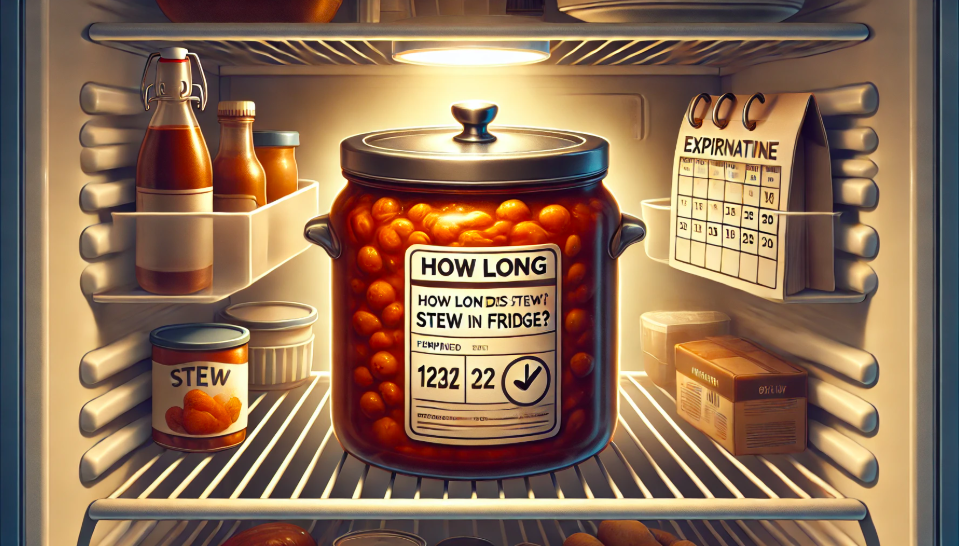
Stew can typically last in the fridge for about 3 to 4 days if stored properly. After this period, the quality may decline, and it could become unsafe to eat. It's important to store it in an airtight container to prevent bacterial growth and keep it fresh for as long as possible. Always check the stew for signs of spoilage before consuming it after the 3 to 4-day mark.
Factors Affecting Stew's Shelf Life in the Fridge
Several factors influence how long stew will stay fresh in the fridge. The primary factors include:
- Ingredients Used: Stews made with meat or seafood typically spoil faster than those made with vegetables. The type of broth or liquid base also plays a role.
- Storage Temperature: Stew should be stored in the fridge at or below 40°F (4°C). Warmer fridge temperatures can speed up spoilage.
- Storage Method: Stew stored in an airtight container or properly sealed will last longer than stew left uncovered or loosely covered. The exposure to air can promote bacterial growth.
- Initial Cooking Method: If the stew was cooked at too low a temperature or not handled properly, it might spoil faster. Proper cooking to a safe temperature is crucial.
- Age of Ingredients: The freshness of ingredients before cooking can impact the stew's shelf life. Older vegetables or meats will not last as long once cooked into a stew.
Signs Your Stew Has Gone Bad
It's important to know the signs of spoilage to avoid consuming unsafe food. Here are a few key indicators that stew has gone bad:
- Smell: A sour or off odor is one of the first signs of spoilage. If your stew smells rancid or unpleasant, it's best to discard it.
- Appearance: If the stew has developed mold or a strange, slimy texture, it should not be eaten. Additionally, changes in the color of the broth or ingredients might indicate spoilage.
- Taste: If the stew tastes sour, bitter, or otherwise off, do not consume it. Even small tastes of spoiled food can lead to foodborne illness.
- Texture: If the stew has become excessively thick, gelatinous, or has a strange consistency, it may no longer be safe to eat.
How to Store Stew Properly for Maximum Freshness
Proper storage is key to ensuring stew lasts as long as possible. To store stew:
- Cool Before Storing: Allow the stew to cool to room temperature before placing it in the fridge. Hot food can raise the temperature inside the fridge, increasing the risk of bacterial growth.
- Airtight Containers: Use airtight containers to store your stew. This helps to maintain freshness and prevent contamination.
- Smaller Portions: Divide the stew into smaller portions for easier access. Smaller amounts cool faster, and you can reheat only what you need.
- Label and Date: It’s helpful to label the container with the date the stew was made, so you can keep track of how long it has been stored.
- Avoid Storing Stew with Garnishes: If your stew contains herbs, dairy, or other delicate ingredients, it's best to store these separately, as they may spoil faster.
Can You Freeze Stew for Longer Storage?
Yes, stew can be frozen for longer storage. Freezing extends the shelf life of stew by several months. To freeze stew:
- Cool it First: Let the stew cool down to room temperature before freezing to avoid raising the temperature of the freezer and to ensure the stew freezes evenly.
- Use Freezer-Safe Containers: Store stew in freezer-safe, airtight containers or resealable freezer bags. Leave some room for expansion, as liquids expand when frozen.
- Label the Containers: Write the date on the container so you know how long the stew has been frozen. It’s best to consume frozen stew within 3 months for optimal quality.
- Portioning: Freezing stew in smaller portions allows you to defrost only what you need.
Reheating Stew Safely: Tips and Guidelines
Reheating stew safely is important to avoid foodborne illness. Follow these guidelines:
- Reheat Evenly: Stir the stew occasionally while reheating to ensure it heats evenly. Uneven heating can result in some parts being undercooked.
- Reheat to the Right Temperature: When reheating, make sure the stew reaches at least 165°F (74°C) to kill any harmful bacteria that may have grown.
- Use a Stovetop or Microwave: Stew can be reheated on the stovetop or in the microwave. If using the stovetop, heat it over medium heat, stirring occasionally. For the microwave, heat in short intervals, stirring between each, to ensure even heating.
- Don’t Reheat More Than Once: Reheating stew multiple times can increase the risk of foodborne illness. Only reheat what you plan to eat and discard any leftovers.
Edit paragraph. Please delete this text and add your content here.