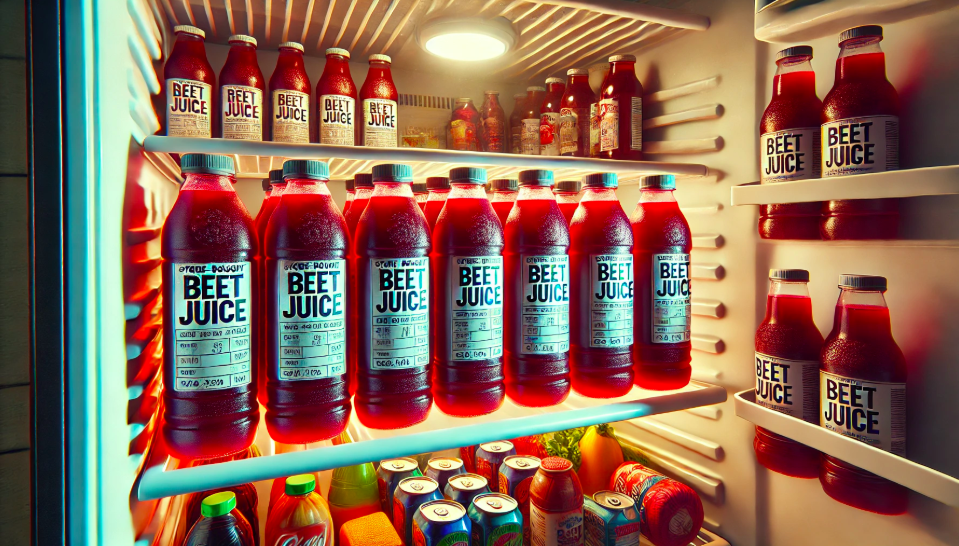
Store-bought beet juice typically lasts about 7 to 10 days in the fridge after opening, assuming it is stored properly in a tightly sealed container. Unopened, it can last much longer, often several weeks or even up to a few months, depending on the expiration date on the label. To ensure it stays fresh for as long as possible, keep it refrigerated and avoid leaving it out at room temperature for extended periods. Always check for signs of spoilage, such as an off smell, change in color, or unusual texture, which can indicate that the juice has gone bad.
Typical Shelf Life Of Store-Bought Beet Juice
The shelf life of store-bought beet juice varies depending on whether it is pasteurized or unpasteurized and how it is stored. Unopened, pasteurized beet juice typically lasts 2 to 3 weeks when kept in the refrigerator, as long as it’s stored properly and before the "use by" or "sell by" date. On the other hand, unpasteurized beet juice has a shorter shelf life and should be consumed within 3 to 5 days, even if unopened, since it hasn’t been treated to kill bacteria. Once opened, pasteurized beet juice can last around 7 to 10 days in the fridge, while unpasteurized juice should be consumed within 2 to 3 days for safety and the best taste. Signs of spoilage include sour smells, unusual color, or changes in texture, such as mold or sliminess. If you want to extend the shelf life, freezing beet juice is an option. In the freezer, it can last up to 6 months. Always remember to check product labels for specific expiration dates and storage instructions.
How To Properly Store Beet Juice For Maximum Freshness
To properly store beet juice and keep it as fresh as possible, follow these guidelines based on trusted sources:
1. Refrigerate Immediately
After juicing the beets, store the beet juice in the fridge as soon as possible. Fresh beet juice is best when consumed within 24 to 48 hours, but refrigerating it slows down the natural breakdown and helps preserve its nutrients and flavor.
2. Use Airtight Containers
To prevent the juice from being exposed to air, always store beet juice in airtight containers. Glass jars or bottles with tight lids are ideal because they prevent the juice from oxidizing and losing its quality.
3. Avoid Plastic Containers
It’s best to avoid plastic containers, as they can cause the juice to absorb chemicals from the plastic, affecting both taste and freshness. Glass or stainless steelare the best materials for storage.
4. Limit Exposure To Light
Beet juice can degrade when exposed to light, so it’s important to store it in a dark placein the refrigerator or use opaque containers that block light.
5. Seal It Tight
Once you’ve poured the juice into a container, ensure the lid is on tightly. This reduces air exposure and keeps the juice from losing its flavor and nutrients.
How To Extend The Freshness Of Beet Juice
To extend the freshness of beet juice and keep it tasting good for longer, there are a few simple and effective methods you can follow:
1.Refrigerate Immediately
Beet juice should be kept in the fridge as soon as possible after making it. Cold temperatures help slow down the natural breakdown of the juice, preserving its freshness. Ideally, drink it within 2-3 days, but it can last up to 5 days in the fridge.
2. Add Lemon Or Lime
Adding a small amount of lemon or lime juice to your beet juice can help preserve its freshness. The acidity in citrus helps slow oxidation, which is the process that causes the juice to spoil. This also gives the juice a nice refreshing flavor.
3. Use A Vacuum Sealer
If you need to store beet juice for a longer period, using a vacuum sealer can help. This device removes the air from the container, further slowing oxidation and extending freshness. Vacuum-sealed beet juice can stay fresh for up to a week in the fridge.
4. Freeze For Longer Storage
Freezing beet juice is an excellent option if you want to store it for an extended period. Pour the juice into ice cube trays and freeze it. Once frozen, transfer the cubes to a freezer bag. This way, you can use small amounts as needed, and the juice will remain fresh for 2-3 months.
Is It Safe To Drink Expired Beet Juice?
Drinking expired beet juice may not be safe, depending on how long it's been since it expired and how it has been stored. Here's a breakdown of key points:
1. How Long After Expiry Is It Safe?
- Expiration dateson juice are typically there for a reason: to ensure the juice is consumed when it's at its best quality and before harmful bacteria or mold can grow. After the expiry date, the juice may lose its taste, nutritional value, and safety. Generally, drinking expired beet juice within a few days to a weekafter the expiration date is less risky if it has been properly refrigerated and shows no signs of spoilage.
- Beyond that time, the risk of foodborne illness increases. Beet juice that is far past its expiration date may develop harmful bacteria, especially if it hasn't been stored properly.
2.Health Risks
- Drinking expired beet juice can lead to food poisoning. Symptoms of foodborne illness include nausea, vomiting, diarrhea, and stomach cramps. This happens when harmful bacteria, like Salmonellaor E. coli, have started to grow in the juice.
- If the juice has been stored in a warm or fluctuating temperature environment, bacteria can grow even faster.
3.When To Toss It
If the juice is well beyond its expiration date, or if there are any obvious signs of spoilage (smell, taste, or texture), it's safest to throw it out. It's better to be cautious than risk your health.
Factors Affecting Beet Juice Freshness
Beet juice freshness can be affected by several factors, including how it is stored, the way it’s processed, and its exposure to air, light, and temperature. Here are some key factors that influence beet juice freshness:
1.Oxygen Exposure
- Air exposure (oxidation) is one of the main factors that affect the quality of beet juice. The longer the juice is exposed to air, the faster it can lose its nutritional value and flavor. It is important to store beet juice in airtight containers to limit contact with oxygen and slow down the oxidation process.
2. Processing Method
- Cold-Pressed vs. Conventional Juicing:Cold-pressed beet juice tends to retain more of its nutrients and freshness compared to juice made with traditional methods, which can heat the juice and break down nutrients.
- Pasteurization:Some commercial beet juices are pasteurized (heated) to kill bacteria, which helps prolong shelf life. However, this process can reduce the juice's nutritional content and alter its taste.
3. Time After Juicing
- Fresh beet juice begins to lose its quality soon after it is made. The fresher the juice, the better it is in terms of flavor and nutrients. Drinking it within 24 to 48 hours after juicing is ideal, although it can still last up to a few days in the fridge.
4. Acidity
- Beet juice has a relatively high acidity, which can help slow the growth of spoilage microorganisms. However, this can vary depending on the beets used, and some may be less acidic than others, affecting how long the juice stays fresh.
5. Container Type
- The type of container used to store beet juice can also play a role in its freshness. Glass containers are often better at preserving juice compared to plastic, as they don't react with the juice and can create a better seal, preventing oxidation.
6. Bacteria And Contamination
- If the beet juice is exposed to bacteria or other contaminants during juicing or storage, it can spoil faster. Keeping all equipment clean and ensuring that the juice is stored properly helps prevent contamination.
By paying attention to these factors, beet juice can stay fresh for a longer time and retain its beneficial nutrients. Proper handling, storage, and time management are key to maximizing the quality of beet juice.
Signs That Beet Juice Has Gone Bad
Beet juice can go bad over time, and it's important to know the signs to avoid consuming spoiled juice. Here are some clear indicators that beet juice has gone bad:
1. Off Smell
- Source:FDA Food Safety GuidelinesIf beet juice smells sour or has a rancid odor, it's a strong sign that it has spoiled. Fresh beet juice has a sweet, earthy smell, so any sharp or unpleasant odor indicates bacteria or mold growth.
2. Change In Color
- Source:University of Illinois ExtensionFresh beet juice has a bright red or purple color. If the juice turns brownish or has a dull appearance, it's likely that the juice has started to degrade. A change in color can happen as the juice oxidizes, which is a sign it's no longer fresh.
3. Mold Growth
- Source:CDC Food SafetyIf you notice any fuzzy or mold-like growth on the surface of the juice or inside the container, it is definitely no longer safe to drink. Mold can form if the juice was not stored properly or has been kept for too long.
4. Off Taste
- Source:Academy of Nutrition and DieteticsIf the beet juice tastes overly sour or off in any way, it's a clear sign of spoilage. Fresh beet juice has a sweet, earthy flavor, and any change in taste could mean harmful bacteria have begun to grow.
5. Separation Or Bubbling
- Source:FDA Food SafetyFresh beet juice may separate into layers after some time, but bubbling or fizzing is unusual. If you notice unusual bubbling or froth when you open the bottle or shake it, this could mean fermentation has occurred, and the juice is no longer good.