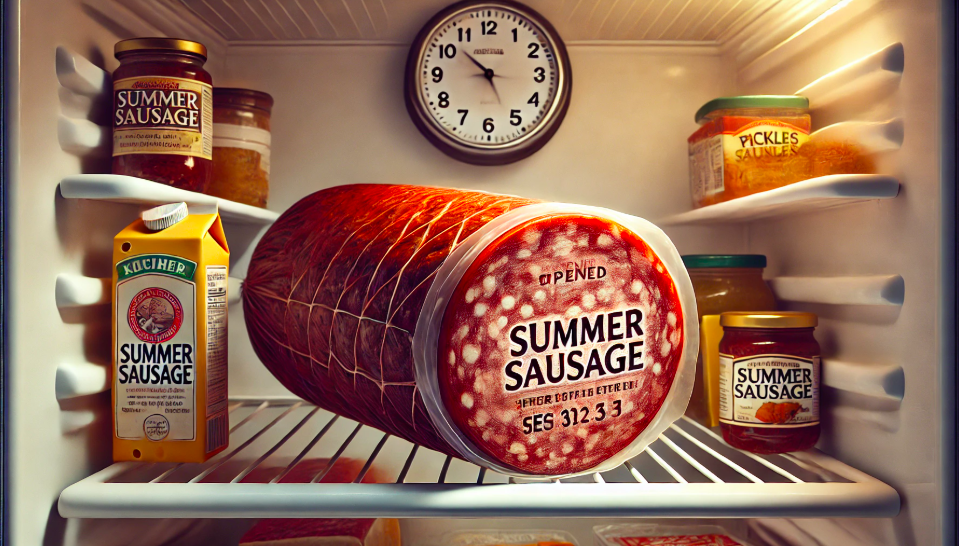
Once opened, summer sausage can last between 3 to 4 weeks in the fridge, provided it is stored properly. To maximize freshness, it’s important to tightly wrap the sausage in plastic wrap or aluminum foil, or place it in an airtight container to prevent exposure to air, which can cause it to spoil more quickly. The shelf life may vary depending on factors such as the sausage's ingredients (e.g., whether it contains preservatives) and the temperature of your fridge.
While it can last for up to a month, always inspect the sausage before eating—look for any changes in color, texture, or smell. If it develops an off odor, becomes slimy, or shows signs of mold, it’s best to discard it. For even longer storage, summer sausage can be frozen, where it can last up to 2-3 months without significant loss in quality. However, the texture may change slightly after freezing and thawing.
How To Store Summer Sausage Properly After Opening
To store summer sausage properly after opening, follow these key steps to keep it fresh and safe to eat:
1. Refrigeration: Always store opened summer sausage in the fridge. It should be kept at a temperature of 40°F (4°C) or lower.
2. Wrap it well: After opening, wrap the summer sausage tightly in plastic wrap, aluminum foil, or wax paper. You can also place it in an airtight container or resealable plastic bag. This will help keep it from drying out or absorbing other odors from the fridge.
3. Use within a few weeks: Summer sausage can last up to 3 weeks in the fridge once opened. Check the packaging for any "use by" dates and follow them.
4. Freezing (optional): If you want to keep it longer, summer sausage can be frozen. Wrap it tightly in plastic wrap or foil, then place it in a freezer-safe bag or container. It can stay in the freezer for 1-2 months. When you’re ready to eat it, let it thaw in the fridge before slicing.
5. Check for spoilage: Always check for any signs of spoilage, such as an off smell, sliminess, or mold. If you notice any of these, it's best to throw the sausage away.
By following these steps, you can ensure your summer sausage stays fresh and safe for as long as possible after opening.
Can You Freeze Summer Sausage For Longer Storage?
Yes, you can freeze summer sausage for longer storage. Freezing is a good way to extend its shelf life, allowing it to stay fresh for up to 6-12 months without losing quality. To freeze summer sausage, wrap it tightly in plastic wrap, aluminum foil, or place it in a vacuum-sealed bag to protect it from freezer burn. You can freeze it whole or sliced, depending on how you plan to use it. When thawing, it’s best to place the sausage in the fridge overnight to defrost slowly, though you can also use the microwave if you're in a hurry. While freezing will keep the sausage safe to eat, it may cause slight changes in texture, making it a bit drier. However, with proper wrapping and storage, the flavor should remain good. Freezing is an effective way to store summer sausage for long-term use while preserving most of its taste and quality.
The Ultimate Guide To Extending The Freshness Of Summer Sausage
Summer sausage is a popular cured meat, often enjoyed as a snack or appetizer. To keep it fresh and tasty for as long as possible, it's important to know how to store it correctly. Here’s a straightforward guide based on trusted sources to help you extend the shelf life of your summer sausage.
1. Understanding Summer Sausage Preservation
Summer sausage is usually made by curing meat with salt and spices, then smoking it. This process helps it last longer than fresh meat, but it can still spoil if not stored properly. Knowing how to handle and store it will ensure you enjoy it at its best for a longer period.
2.Refrigerating Summer Sausage
- If you won’t finish the sausage within a few days, refrigeration is a must.
- Wrap the sausage tightly in wax paper, plastic wrap, or aluminum foil before storing it in the fridge. This helps prevent it from drying out or absorbing odors from other foods.
- Unopened sausagecan last up to 3 months in the fridge.
- Opened sausageshould be eaten within 3 weeks to ensure it stays fresh.
3.Freezing Summer Sausage
- For long-term storage, you can freeze summer sausage. This is ideal if you have a large amount and want to extend its shelf life for several months.
- To freeze, wrap the sausage in freezer paper, foil, or vacuum-seal it. This prevents freezer burn and maintains quality.
Factors That Affect The Longevity Of Opened Summer Sausage
The longevity of opened summer sausage depends on several factors, primarily storage conditions. If left at room temperature for too long, the sausage can spoil quickly. Proper packaging is also crucial; the sausage should be tightly wrapped in plastic wrap, aluminum foil, or placed in an airtight container to prevent exposure to air, which can dry it out and speed up spoilage. Moisture control is important too, as excess moisture can encourage mold growth. The sausage’s initial freshness plays a role as well; the fresher it is when opened, the longer it will last. Handling with clean hands and utensils is essential to avoid contamination that could shorten its shelf life. Preservatives in some sausages can help extend their freshness, but proper storage is still key. Additionally, always check the "use by" or "sell by" dates before opening.
Signs That Summer Sausage Has Gone Bad
Summer sausage is a type of cured and fermented sausage that can last a long time if stored correctly. However, like all meats, it can go bad. Here are clear signs that summer sausage has spoiled:
1. Smell
- Bad smell: Fresh summer sausage should have a mild, smoky or meaty scent. If it has a sour, rotten, or overly pungent smell, it's likely spoiled.
2. Color Changes
- Discoloration: The sausage should be a deep red or brown color. If you notice any green, gray, or black spots, it's a sign of mold or bacterial growth, indicating it's no longer safe to eat.
3. Texture
- Slimy or sticky: Summer sausage should be firm and dry to the touch. If it feels slimy or sticky, it’s a sign that bacteria or mold is growing on it.
4. Mold
- Visible mold: While some mold on the outside can be normal for cured sausages, especially if it’s white and not affecting the inside, any green or black mold should be considered a warning. It’s best to discard the sausage in such cases.
5. Off Taste
- If you taste the sausage and it’s off, sour, or has a strange flavor, it’s best to stop eating it. The taste can be a direct sign of bacterial growth or spoilage.