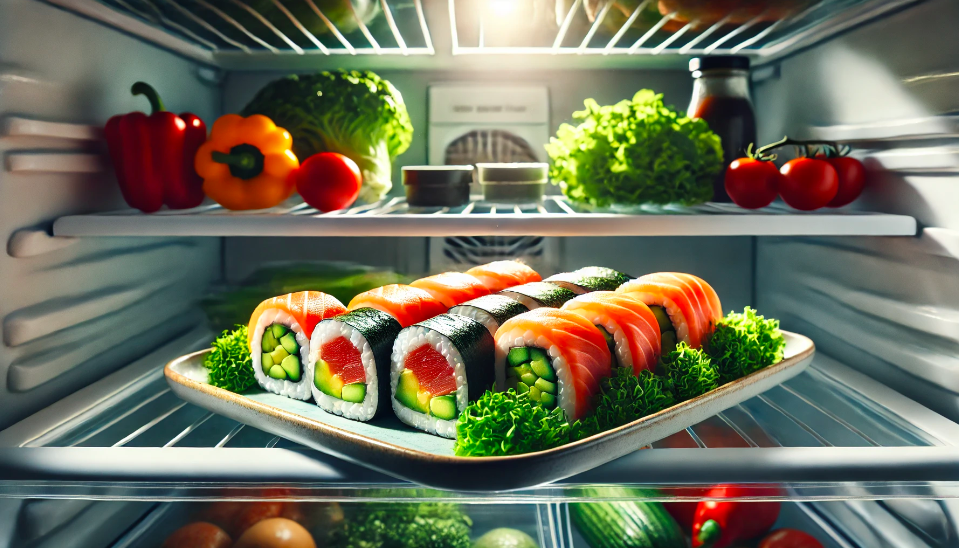
How Long Does Sushi Last In The Fridge?
Sushi’s freshness varies based on its ingredients and storage. Raw sushi, such as sashimi, should ideally be eaten within 12 to 24 hours when refrigerated, while cooked sushi can last for 3 to 4 days. To store sushi properly, it should be wrapped tightly in plastic wrap, placed in an airtight container, and then refrigerated to maintain quality and prevent spoilage. Before consuming, check for signs of spoilage, such as a strong odor, discoloration, or a slimy texture, if any of these are present, it’s safer to discard it. Proper storage is essential for safe enjoyment.
Factors Affecting Sushi’s Freshness In The Fridge
Sushi's freshness in the refrigerator depends on several key factors:
- Type of Sushi: Sushi made with raw fish, like sashimi or nigiri, has a shorter shelf life compared to those with cooked ingredients or vegetables. Raw fish sushi should be consumed within 24 hours, while cooked or vegetable sushi can last up to 3-4 days when properly stored.
- Storage Temperature: Maintaining a consistent refrigerator temperature at or below 40°F (4°C) is crucial. This slows bacterial growth and helps preserve sushi's freshness.
- Packaging: Storing sushi in airtight containers prevents exposure to air, which can dry out the rice and cause spoilage. Proper packaging also protects against cross-contamination with other foods.
- Freshness of Ingredients: The initial quality of the ingredients, especially the fish, significantly affects how long sushi remains fresh. Using fresh, high-quality ingredients ensures better taste and a longer shelf life.
- Handling Practices: Minimizing the time sushi spends at room temperature reduces the risk of bacterial growth. It's advisable to refrigerate sushi promptly after preparation or purchase.
How To Properly Store Sushi In The Fridge
To properly store sushi in the fridge and keep it fresh, begin by wrapping each piece tightly with plastic wrap. This step helps prevent air from drying out the sushi, preserving its texture and freshness. After wrapping, place the sushi in an airtight container to add an extra layer of protection from air and moisture. Once properly wrapped and sealed, place the container in the fridge immediately. The refrigerator should be set below 40°F (4°C) to maintain food safety standards and keep the sushi at a safe temperature. It’s best to consume refrigerated sushi within 24 hours to ensure both quality and safety, as sushi loses freshness over time, and its safety cannot be guaranteed after a day in the fridge. Following these steps will help you store sushi properly and minimize the risk of foodborne illness.
Signs Your Sushi Has Gone Bad
To ensure your sushi is fresh and safe to eat, watch for these signs:
1. Unpleasant Smell
Fresh sushi should have a mild, ocean-like scent. If it emits a strong, sour, or fishy odor, it's likely spoiled.
2. Discoloration
The fish should appear vibrant and glossy. Dullness, brown spots, or any unusual coloring indicate spoilage.
3. Slimy or Mushy Texture
Fresh fish feels firm and slightly springy. A slimy or overly soft texture suggests bacterial growth.
4. Dry or Hard Rice
Sushi rice should be slightly sticky and moist. If it's dry, hard, or crumbly, the sushi is past its prime.
5. Mold Presence
Any sign of mold on the fish, rice, or seaweed wrapper is a clear indication to discard the sushi.
6. Off Taste
If the sushi tastes sour, bitter, or just "off," it's best not to consume it.
7. Time Left Out
Sushi left at room temperature for more than two hours can harbor harmful bacteria. Always refrigerate sushi if not eaten immediately.
Tips For Maximizing Sushi’s Freshness In The Fridge
To keep your sushi fresh in the fridge, follow these straightforward tips:
- Prompt Refrigeration: Place sushi in the refrigerator within two hours of preparation to prevent bacterial growth.
- Proper Wrapping: Wrap sushi tightly in plastic wrap to minimize air exposure, which can lead to drying out.
- Use Airtight Containers: After wrapping, store sushi in an airtight container to maintain moisture and prevent absorption of other odors.
- Maintain Cold Temperatures: Keep the refrigerator at or below 40°F (4°C) to slow bacterial growth and preserve freshness.
- Consume Promptly: For optimal taste and safety, eat refrigerated sushi within 24 hours.
- Avoid Freezing: Freezing can alter the texture and flavor of sushi, so it's best to avoid this method.
- Check for Spoilage: Before eating, inspect sushi for any off smells, slimy texture, or discoloration, which indicate spoilage.
Risks Of Eating Expired Sushi
Consuming expired sushi poses significant health risks due to the potential growth of harmful bacteria and parasites. Raw fish, a common ingredient in sushi, can harbor bacteria like Salmonella and Vibrio, which may lead to foodborne illnesses characterized by symptoms such as diarrhea, nausea, and vomiting. Additionally, improper storage of sushi can result in the proliferation of parasites like Anisakis, causing digestive issues. To minimize these risks, it's crucial to consume sushi promptly after preparation and ensure it is stored correctly.