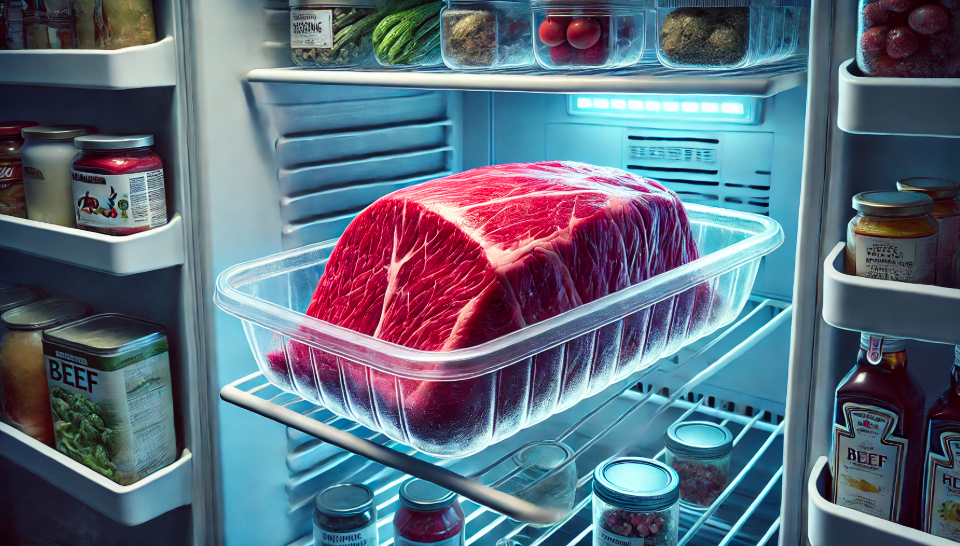
Thawed beef can last for different durations in the refrigerator depending on the type of cut and how it was handled during the thawing process. Ground beef, for example, should be cooked and consumed within 1 to 2 days after thawing. This is because ground beef has a larger surface area exposed to potential bacterial growth during processing, making it more perishable. On the other hand, whole cuts of beef such as steaks or roasts have a longer shelf life when thawed.
These can typically remain safe to eat for up to 3 to 5 days when stored properly in the fridge at a temperature of 40°F (4°C) or below. It is important to note that these time frames assume that the beef was thawed safely, preferably in the refrigerator rather than at room temperature or under less-controlled conditions. Proper handling and storage are key to maintaining the quality and safety of thawed beef during these periods.
Factors Affecting The Shelf Life Of Thawed Beef
- Storage Temperature: Keeping beef at or below 40°F (4°C) slows bacterial growth, extending its safe consumption period.
- Packaging Integrity: Beef stored in airtight packaging is less exposed to contaminants, preserving its quality longer.
- Initial Freshness: The fresher the beef before freezing, the longer it will last after thawing.
- Handling Practices: Proper handling, such as avoiding cross-contamination and maintaining cleanliness, affects the beef's shelf life.
Signs That Thawed Beef Has Gone Bad
To determine if thawed beef is still safe to eat, look for these indicators:
- Unpleasant Odor: A sour or off-putting smell suggests spoilage.
- Color Changes: While some discoloration due to oxidation is normal, a greenish hue or iridescent sheen indicates bacterial growth.
- Slimy Texture: A sticky or slimy feel on the surface is a sign of spoilage.
- Off Taste: If the beef tastes sour or unusual after cooking, it's best to discard it.
Proper Storage Tips For Thawed Beef
To maximize the freshness and safety of thawed beef:
- Refrigeration: Store thawed beef on the bottom shelf of the refrigerator to prevent juices from contaminating other foods.
- Use Airtight Containers: Place beef in sealed containers or tightly wrapped to minimize exposure to air and contaminants.
- Avoid Overcrowding: Ensure there's enough space around the beef for air circulation, which helps maintain a consistent temperature.
- Monitor Temperature: Regularly check that your refrigerator maintains a temperature at or below 40°F (4°C).
Difference Between Fresh And Thawed Beef Storage Times
Fresh beef and thawed beef have different storage durations:
- Fresh Beef: Uncooked beef can be stored in the refrigerator for 3 to 5 days.
- Thawed Beef: Once thawed, beef should be cooked within 1 to 2 days for ground cuts and 3 to 5 days for steaks and roasts.
Can You Refreeze Thawed Beef?
Refreezing thawed beef is possible but comes with considerations:
- Safety: If thawed beef has been kept at a safe temperature (below 40°F or 4°C) and hasn't been left out for more than 2 hours, it can be safely refrozen. citeturn0search15
- Quality: Refreezing can affect the beef's texture and flavor due to moisture loss during the thawing process.
- Procedure: Thaw beef in the refrigerator, and if you decide not to cook it, refreeze it promptly.
Safety Guidelines For Handling Thawed Beef
To handle thawed beef safely:
- Thawing Methods: Always thaw beef in the refrigerator, in cold water (changing the water every 30 minutes), or in the microwave. Never thaw beef on the counter. citeturn0search14
- Avoid Cross-Contamination: Keep raw beef separate from other foods, especially those eaten raw, to prevent the spread of bacteria.
- Hand Hygiene: Wash hands thoroughly with soap and water before and after handling raw beef.
- Clean Surfaces: Sanitize cutting boards, utensils, and countertops after preparing beef to eliminate any residual bacteria.
- Cook Promptly: Cook thawed beef within the recommended time frames to ensure safety.