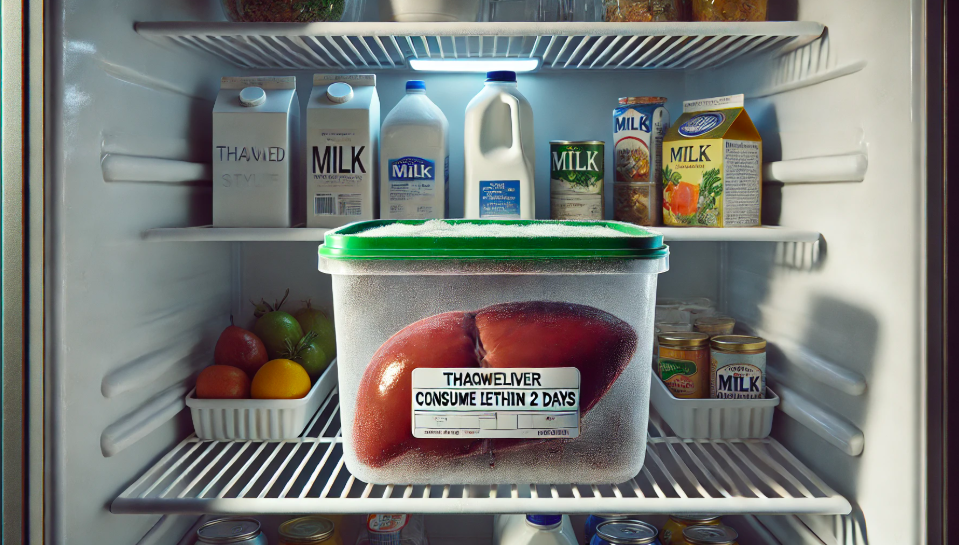
Thawed liver can be safely stored in the refrigerator for 1 to 2 days. If you thaw liver in the refrigerator itself, it remains in a safe temperature zone, reducing the risk of bacterial growth. It's important to store it in a covered dish or wrapped securely to prevent cross-contamination with other foods. After this period, if the liver is not used, it is recommended to cook it before freezing again for long-term storage. Always check for any signs of spoilage such as a sour smell, slimy texture, or discoloration before using thawed liver.
Understanding Thawed Liver Storage
When storing thawed liver or any other thawed meat, it's crucial to handle it safely to prevent foodborne illness. According to guidelines provided by the USDA, once food has been thawed in the refrigerator, it can be refrozen without cooking, though the quality might decrease due to moisture loss
Here's a simplified guide to storing thawed liver safely:
- Refrigeration: It's safest to thaw liver in the refrigerator, keeping it at or below 40°F. This method is slow but keeps the liver safe throughout the process..
- Cold Water Thawing: This method is faster than refrigerator thawing. Ensure the liver is in a leak-proof package and submerged in cold water, changing the water every 30 minutes to continue safe thawing. Cook liver immediately after thawing using this method, and do not refreeze it without cooking.
- Microwave Thawing: This is the quickest method. Thaw the liver in the microwave and cook it immediately afterward. Avoid refreezing if you thaw using the microwave.
Best Practices for Storing Liver in the Fridge
When storing liver to maintain its freshness, it's important to follow certain best practices. Always store liver in the coldest part of the fridge, typically the bottom shelf, to maintain a consistent low temperature. Use it within 1-2 days of purchasing for optimal freshness
For packaging, wrap the liver tightly in plastic wrap or foil, or place it in an airtight container to minimize exposure to air. This helps preserve its taste, texture, and nutritional value. If you're not planning to use the liver within a day or two, freezing is a great option to extend its shelf life. Freeze liver pieces in small portions to avoid repeatedly thawing and refreezing, which can degrade quality. Use airtight freezer bags or containers to prevent freezer burn and keep it frozen at 0°F (-18°C) for up to 3-4 months.
When it comes to recognizing if liver has gone bad, check for any discoloration, a slimy or sticky texture, or a sour or unpleasant odor. These signs indicate that the liver may have spoiled and should not be consumed
Factors Affecting the Shelf Life of Thawed Liver
To maintain the freshness and safety of thawed beef liver, there are several key factors to consider:
- Storage Temperature: Keeping your refrigerator at or below 40°F (4°C) is crucial for minimizing the growth of harmful bacteria on beef liver. Ensuring your fridge maintains this temperature helps in preserving the liver's quality
- Storage Duration: Thawed beef liver should be stored in the fridge for no more than 1-2 days. It's important to use or cook the liver within this timeframe to ensure the best quality and safety
- Proper Packaging: When storing liver, whether fresh or thawed, it should be wrapped tightly in plastic wrap or placed in an airtight container. This helps to prevent air exposure and contamination from other foods, which could accelerate spoilage
- Visual and Olfactory Signs of Spoilage: Before using thawed liver, check for signs of spoilage such as a sour or foul smell, discoloration, or a slimy texture. If the liver exhibits any of these signs, it should not be consumed as it indicates spoilage
- Handling Precautions: It's important to handle beef liver with care to prevent bacterial contamination. This includes washing your hands before and after handling liver, using separate utensils and cutting boards for liver and other foods, and storing liver away from ready-to-eat foods
Signs of Spoilage in Thawed Liver
When checking if thawed beef liver has gone bad, you should observe its color, texture, and smell. Fresh beef liver should have a bright red or purplish color, be firm and moist to the touch, and have a neutral odor. Signs of spoilage include:
- Color: If the liver appears grayish-white, pale, or has turned green or brown, it may indicate spoilage
- Texture: A spoiled liver often feels slimy or sticky. If the surface of the liver is tacky, has a slippery film, or feels unusually mushy, these are indicators that the liver is no longer good
- Smell: Fresh liver should not have a strong smell. If it smells sour, rancid, or like rotten eggs, it has likely gone bad