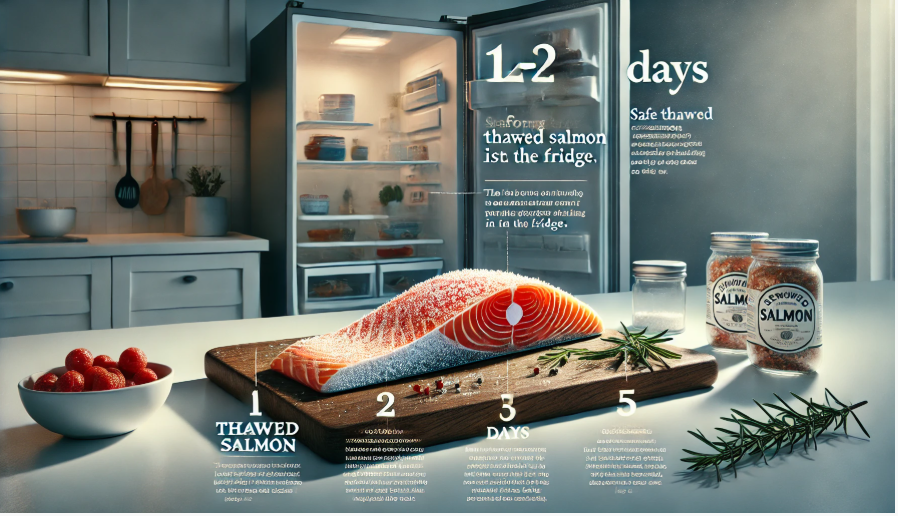
The shelf life of thawed salmon depends on how it was thawed and how it is stored. Typically, when salmon is thawed properly in the refrigerator, it can last for 1 to 2 days before it starts to deteriorate. If thawed at room temperature or using warm water, it should be cooked immediately, as these methods encourage bacterial growth. Thawed salmon is more perishable than fresh or frozen salmon, so it’s essential to follow safe thawing and storage practices to ensure its freshness and prevent foodborne illness.
How Long Can Thawed Salmon Be Stored in the Refrigerator?
Thawed salmon can generally be stored in the refrigerator for up to 1-2 days. The temperature of your refrigerator should be at or below 40°F (4°C) to maintain the quality and safety of the fish. After this period, the risk of bacterial growth increases, and the salmon may begin to lose its texture, flavor, and overall freshness. If you need to keep it longer, it’s better to cook it first and store it as cooked salmon in the fridge for up to 3 days.
Factors Affecting the Freshness of Thawed Salmon
- Thawing MethodThawing salmon in the refrigerator preserves its quality better than quicker methods like using hot water or microwaving.
- Length of Time FrozenThe length of time the salmon has been frozen before thawing affects its freshness. Fish stored for a long period may lose flavor or develop freezer burn, impacting texture.
- Initial Quality and HandlingThe quality of the salmon when purchased and how it was handled throughout its shelf life (e.g., kept at a consistent cold temperature) influences its freshness after thawing.
Signs That Thawed Salmon Has Gone Bad
- SmellFresh salmon should have a clean, ocean-like scent. A sour or ammonia-like smell indicates the salmon is no longer safe to eat.
- TextureSalmon should be moist, firm, and translucent. If it feels slimy, mushy, or dry, it has gone bad.
- ColorFresh salmon is typically vibrant pink or red. Spoiled salmon may have a faded, off-gray, or brownish hue.
Proper Storage Tips for Thawed Salmon
Airtight Container or Tight WrappingStore thawed salmon in an airtight container or tightly wrap it in plastic wrap or aluminum foil to minimize exposure to air.
Plate or Shallow Dish for LiquidKeep the fish on a plate or in a shallow dish to catch any liquid that may escape.
Coldest Part of the FridgePlace the salmon in the coldest part of the fridge, typically towards the back, to maintain optimal temperature.
Avoid the Fridge DoorDo not store salmon in the fridge door, as the temperature fluctuates more in that area.
Immediate Cooking After Thawing in Water or MicrowaveIf the salmon was thawed in water or using a microwave, it should be cooked immediately and not stored for later use.
Can You Refreeze Thawed Salmon?
Refreezing thawed salmon is not recommended, especially if it has been thawed in the refrigerator for more than a day or if it was thawed using quicker methods like microwaving. When you refreeze salmon, it can lose much of its moisture, resulting in a dry and less flavorful texture. Additionally, repeatedly freezing and thawing can increase the risk of bacterial contamination, potentially leading to foodborne illnesses. If you need to store thawed salmon for later use, cooking it and then freezing the cooked fish is a safer option.
How to Safely Thaw and Store Salmon
The safest method to thaw salmon is to place it in the refrigerator for 12-24 hours before cooking. This allows the fish to thaw slowly and evenly, preserving its texture and flavor. For faster thawing, place the fish in a sealed plastic bag and submerge it in cold water for an hour or two. Avoid using warm water or leaving salmon at room temperature, as this can cause harmful bacteria to grow. Once thawed, store the salmon in the fridge and ensure it is kept at a consistent temperature of 40°F (4°C) or lower. Do not refreeze thawed salmon unless it has been cooked.
The Role of Temperature in Salmon Storage
Temperature plays a critical role in maintaining the quality and safety of thawed salmon. The ideal temperature for storing both raw and thawed salmon is 40°F (4°C). At this temperature, bacterial growth is slowed, and the fish remains fresh for longer. Temperatures above 40°F increase the risk of bacteria multiplying rapidly, which can cause spoilage and foodborne illness. It’s also important to avoid fluctuating temperatures—frequent opening of the refrigerator door or storing the salmon in areas of the fridge that are too warm can significantly reduce its shelf life.
What to Do with Leftover Thawed Salmon
If you have leftover thawed salmon, it should be consumed within a couple of days. If you can’t finish it in that time, cooking it and then storing it in an airtight container in the fridge is a good option. Leftover cooked salmon can last for about 3 days in the refrigerator. If you need to keep it longer, you can freeze the cooked salmon, which can last for up to 3 months in the freezer. When reheating leftover salmon, make sure it reaches an internal temperature of 165°F (74°C) to ensure it is safe to eat.
Common Mistakes When Storing Thawed Salmon in the Fridge
Incorrect Temperature StoragePlacing thawed salmon in the fridge door, where temperatures fluctuate, can lead to premature spoilage.
Uncovered or Loosely Wrapped SalmonLeaving salmon uncovered or loosely wrapped exposes it to air, causing it to dry out and reducing its quality.
Storing on a Plate or TrayFailing to store thawed salmon on a plate or tray and letting it sit in its own liquid can cause a loss of texture.
Not Following the "One to Two Days" RuleIgnoring the "one to two days" rule after thawing can increase the risk of foodborne illness.