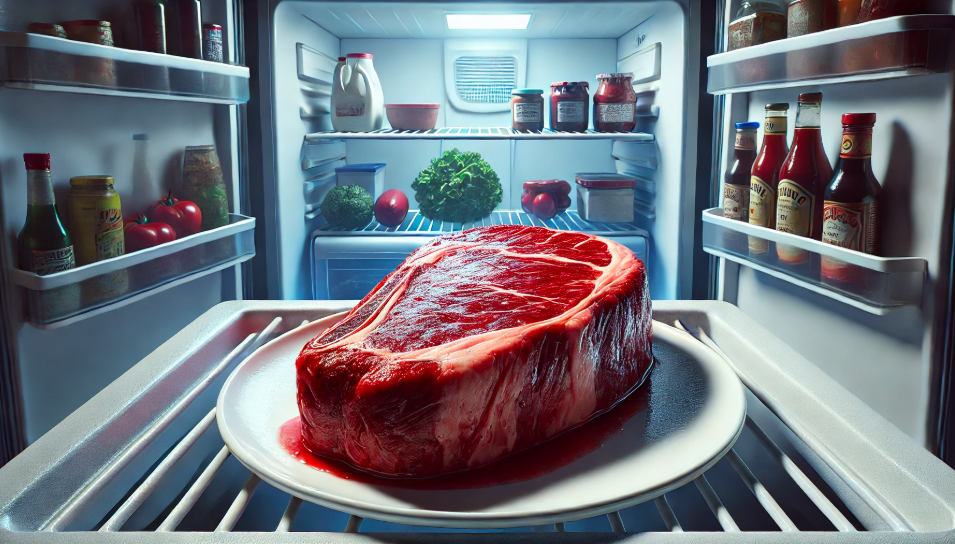
Thawed steak can last in the fridge for about 3 to 5 days. After thawing, it should be kept at or below 40°F (4°C). It’s important to store it in an airtight container or securely wrapped in plastic wrap or aluminum foil to prevent contamination and keep it fresh.
If you don’t plan to cook the steak within that 3-5 day window, it’s best to cook it and then freeze it again. If the steak has an off smell, slimy texture, or changes color, it’s best to discard it.
For safety reasons, it's important not to leave thawed steak at room temperature for too long. If the steak was thawed in the fridge and hasn’t been out for more than 2 hours, it should be safe to cook and eat within the 3 to 5-day period.
Factors Affecting The Shelf Life Of Thawed Steak
The shelf life of thawed steak is influenced by several factors that can affect its quality, safety, and how long it remains suitable for consumption. These factors include:
1. Temperature
- Thawing Temperature: Thawing steak at room temperature can cause it to warm up too quickly, which encourages bacterial growth. It's best to thaw steak in the fridge, as cold temperatures slow down the growth of harmful bacteria.
- Storage Temperature: Once thawed, steak should be kept at a constant temperature of 40°F (4°C) or below. If steak is kept at higher temperatures (like during extended periods outside of the fridge), its shelf life decreases rapidly.
2. Time
- Thawing Duration: Thawed steak should ideally be cooked within 1-3 days after defrosting. The longer it stays thawed, the more likely it is to spoil or develop a bad smell due to bacterial growth.
- Frozen to Thawed Time: Steak that has been frozen for longer periods can lose quality and texture once thawed. The more time it spends in the freezer, the less flavorful it might be when cooked.
3. Storage Conditions
- Sealing and Packaging: Proper packaging helps prevent air from getting in contact with the steak, reducing the risk of freezer burn and contamination. When thawed, steak should be kept in a well-sealed container or plastic wrap.
- Cross-contamination: Thawed steak can pick up bacteria from raw foods, surfaces, or even air. To keep the steak safe, ensure it is stored separately from other foods and in a clean environment.
4. Quality Of The Steak Before Thawing
Freshness at Freezing: If the steak was not fresh when it was first frozen, it may not last as long once thawed. Freezing does not improve the quality of meat; it only helps preserve it. Any issues with the steak before freezing (like improper handling or age) can affect its shelf life after thawing.
5. Meat Handling Practices
- Cleanliness: Handling the steak with clean hands and utensils is crucial. Bacteria from unclean surfaces or hands can contaminate the meat, affecting its shelf life.
- Refreezing: Refreezing thawed steak is not recommended unless it has been cooked first. Refreezing it can lead to a loss of flavor, texture, and overall quality, making it unsafe to eat after a second thaw.
6. Air Exposure
Oxygen and Exposure to Air: When thawed steak is exposed to air, it can oxidize, leading to off-flavors, discoloration, and spoilage. To preserve the quality, keep the steak in airtight packaging while it is thawing and storing.
7. Moisture Content
Water Loss: During the thawing process, some of the moisture in the steak can be lost. The steak may not be as juicy or tender if it was not properly wrapped before freezing, or if it was left to thaw in water.
Best Practices For Storing Thawed Steak
When you thaw steak, it’s important to handle it carefully to ensure it remains safe to eat and stays fresh. Here are the best practices for storing thawed steak, based on guidelines from food safety experts:
1. Refrigerate Immediately
Once the steak is thawed, it should be kept in the refrigerator at a temperature below 40°F (4°C). Do not leave it out at room temperature for too long because bacteria can grow quickly.
2. Store In A Sealed Container
To prevent cross-contamination with other foods, place the thawed steak in an airtight container or seal it in a plastic bag. This will help keep the meat from absorbing odors from other foods in the fridge.
3. Use Within 3-5 Days
Thawed steak should be cooked within 3-5 days. If you cannot cook it in that time frame, it’s best to freeze it again. However, freezing and thawing multiple times can affect the texture and quality of the meat.
4. Do Not Refreeze After Thawing
Once steak has been thawed and stored in the refrigerator, it should not be refrozen unless it has been cooked first. Refreezing thawed meat can lower its quality and increase the risk of foodborne illness.
5. Store On The Bottom Shelf
Keep the steak on the bottom shelf of your refrigerator. This reduces the risk of any juices from the meat dripping onto other foods and causing contamination.
6. Check For Signs Of Spoilage
Before cooking, check the steak for any signs of spoilage. This includes a sour smell, slimy texture, or discoloration. If the steak has any of these signs, it should be discarded.
Signs That Thawed Steak Has Gone Bad
Here are some signs that thawed steak has gone bad, based on reliable sources:
1. Off Or Sour Smell
Fresh steak has a clean, mild smell. If it has a sour or rotten odor, it's a sign that bacteria have started to grow. This is one of the most important signs that your steak is no longer safe to eat.
2. Slimy Texture
If the surface of the steak feels slimy or sticky, it's a sign that bacteria are present. Fresh steak should feel firm and moist but not slippery.
3. Discoloration
Steak that has gone bad may develop a brownish, gray, or greenish tint. While slight discoloration might happen as meat ages, significant color change can indicate spoilage.
4. Unusual Or Off Taste
If you taste a small piece and it has a strange or sour flavor, discard the steak. A bad taste means the meat has likely gone past its safe eating point.
5. Dry Or Tough Texture
Thawed steak should be tender and juicy when cooked. If the steak feels excessively dry or tough, it could be a sign that it has spoiled or been improperly stored.
6. Mold Or Fuzz
Visible mold, fuzz, or anything that looks like growth on the steak means it's spoiled. Mold can appear as fuzzy spots, usually green or blue.
7. Off-putting Appearance After Thawing
If the steak was thawed properly, it should look similar to when it was fresh. If it looks slimy, dry, or has excessive liquid, it might not be safe to eat.
It's important to check your steak carefully, especially if it's been stored improperly or for too long. Always remember that consuming spoiled meat can lead to foodborne illnesses.
Can You Refreeze Thawed Steak?
Yes, you can technically refreeze thawed steak, but it’s not always the best idea for quality and safety reasons. Here's why:
Safety Concerns
When steak thaws, it enters the "danger zone" (between 40°F and 140°F), where bacteria can grow. If the steak has been left out at room temperature for too long (more than 2 hours), it’s unsafe to refreeze because bacteria could make it unsafe to eat, even after cooking.
If the steak thawed in the refrigerator (at a temperature below 40°F), it’s generally safe to refreeze. The refrigerator keeps it at a safe temperature, so the bacteria won’t grow as quickly. However, you should still be mindful of how long it was thawed.
Quality Issues
When you freeze and thaw meat multiple times, it can lose its texture and flavor. The process of freezing causes ice crystals to form in the meat, and thawing can make the steak dry and less tender. Each time you refreeze, the quality decreases.
Refreezing Steak After Cooking
If you cook the thawed steak, you can safely refreeze the cooked meat. Cooking kills bacteria, so it’s safe to freeze the steak after cooking. Just make sure it’s cooled down to room temperature before putting it in the freezer.
Key Points:
- If steak was thawed in the fridge, it’s generally safe to refreeze.
- Thawing and refreezing can affect texture and taste.
- Never refreeze steak that was thawed at room temperature for too long.
- Cooking the steak before refreezing can help with safety and quality.
How To Safely Thaw Steak
Here is how to safely thaw steak based on reliable sources, like the USDA and food safety experts:
1. Thaw In The Refrigerator
- The safest way to thaw steak is in the refrigerator. Place the steak on a plate or dish to catch any drips.
- Keep the fridge temperature at 40°F (4°C) or lower.
- This method can take several hours or overnight, depending on the thickness of the steak.
- Once thawed, the steak can stay in the fridge for up to 3-5 days before cooking.
2. Thaw In Cold Water
- If you need to thaw steak faster, use the cold water method.
- Put the steak in a leak-proof plastic bag, ensuring it’s tightly sealed to avoid water getting in.
- Submerge the bag in cold water. Change the water every 30 minutes.
- This can thaw steak in 1-3 hours, depending on the size and thickness.
- Cook the steak immediately after thawing this way.
3. Thaw In The Microwave (Only For Immediate Cooking)
- You can use the microwave’s defrost function to thaw steak, but this method can start cooking parts of the meat if not carefully monitored.
- After microwaving, cook the steak immediately to avoid any bacterial growth.
- Only use this method if you're planning to cook the steak right away.
4. Avoid Thawing At Room Temperature
- Never thaw steak on the counter at room temperature. It can reach an unsafe temperature where bacteria grow quickly.
- Bacteria can multiply rapidly if the meat stays in the “danger zone” (between 40°F and 140°F), increasing the risk of foodborne illness.
5. Refreezing Thawed Steak
- If you've thawed steak in the fridge and haven’t cooked it, it’s safe to refreeze, but the quality may suffer.
- If you thawed the steak using water or the microwave, cook it before refreezing.