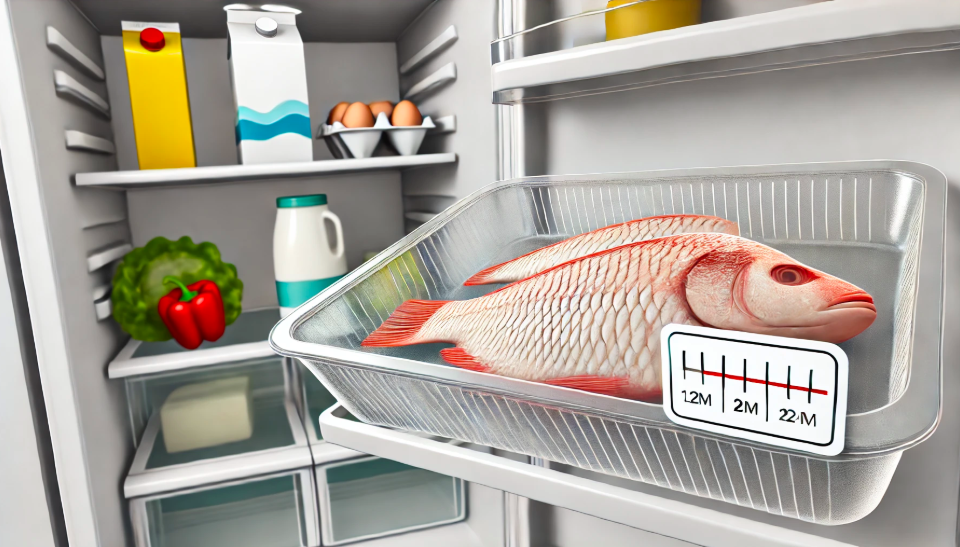
Tilapia, like other fish, is highly perishable and should be stored properly to maintain freshness. When stored in the fridge at or below 40°F (4°C), fresh tilapia typically lasts for 1 to 2 days. Cooked tilapia lasts slightly longer, about 3 to 4 days. Beyond these periods, the fish's quality deteriorates, increasing the risk of spoilage.
Optimal Storage Duration For Fresh Tilapia
Fresh tilapia should ideally be consumed within 24 to 48 hours of refrigeration to ensure it retains its texture and flavor. After 2 days, even if it appears fine, the fish may develop bacteria that can cause foodborne illnesses. It is recommended to purchase fresh tilapia close to the time you plan to cook it, reducing the need for extended storage.
How Long Does Cooked Tilapia Stay Fresh In The Fridge?
Cooked tilapia, when stored in an airtight container in the fridge, remains fresh for up to 3 to 4 days. The refrigeration process slows bacterial growth but doesn’t stop it completely. It is important to cool the fish within 2 hours of cooking before storing it in the fridge. If unsure about its freshness after this period, it is safer to discard it.
Best Way To Store Tilapia To Maximize Freshness
To keep tilapia fresh for as long as possible:
- Store at the Correct Temperature: Keep fresh tilapia in the coldest part of the fridge, ideally at 32°F (0°C). Use a thermometer to monitor the temperature.
- Wrap Properly: Place fresh tilapia in an airtight plastic wrap or aluminum foil, or store it in a sealed container to prevent exposure to air. Adding a layer of crushed ice can further preserve freshness.
- For Cooked Tilapia: Place it in a clean, airtight container immediately after cooling to prevent bacterial contamination.
Key Indicators Of Spoiled Tilapia
- Unpleasant Odor: Spoiled tilapia emits a sour or ammonia-like smell, different from its mild, natural scent.
- Texture Changes: Fresh tilapia has firm, slightly springy flesh. If it becomes slimy or mushy, it’s a sign of spoilage.
- Discoloration: Fresh tilapia is white or light pink. Spoiled fish may have yellowish or grayish tones.
- Cloudy Eyes (for whole fish): If the eyes appear sunken or cloudy, it indicates spoilage.
- Off Taste: A sour or bitter taste in cooked tilapia signals it is no longer safe to eat.
Freezing Vs. Refrigerating: What’s Better For Tilapia?
Freezing is a much better option for long-term storage. While refrigeration preserves fresh tilapia for 1 to 2 days, freezing can keep it safe for up to 6 months if properly stored. To freeze tilapia:
- Wrap it tightly in plastic wrap or freezer paper to prevent freezer burn.
- Place it in an airtight freezer bag and label it with the date. Refrigeration is sufficient for short-term use but inadequate for longer storage as bacterial growth resumes quickly once temperatures rise above freezing.
Health Risks Of Eating Spoiled Tilapia
Consuming spoiled tilapia can cause food poisoning due to the growth of harmful bacteria such as Salmonella, Listeria, or Vibrio. Symptoms include:
- Nausea and Vomiting
- Diarrhea
- Abdominal Pain
- Fever
- Headache Severe cases can lead to dehydration or infections requiring medical attention. To avoid these risks, discard tilapia if there are any signs of spoilage. Always prioritize food safety by adhering to proper storage guidelines.