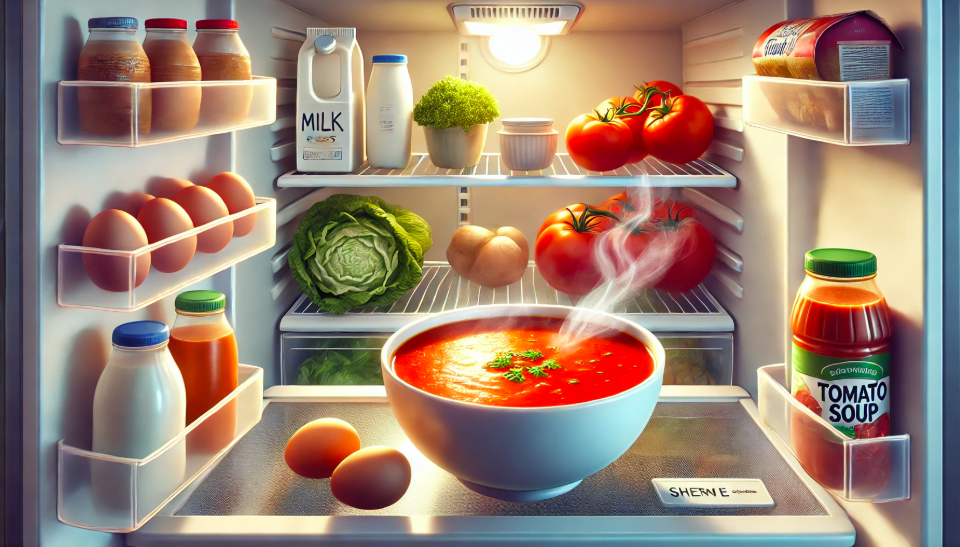
Tomato soup typically lasts between 3 to 4 days in the fridge when stored properly. After this period, the soup may start to lose its flavor, texture, and overall quality. To ensure it remains safe to eat, it is important to store the soup in an airtight container and keep the refrigerator at a proper temperature, usually below 40°F (4°C). Always check the soup for signs of spoilage before consuming it after storing it for a few days.
Ideal Refrigerator Storage Time for Tomato Soup
The ideal storage time for homemade or store-bought tomato soup in the fridge is generally 3 to 4 days. If kept for longer than this, the soup may not be safe to eat, and its taste and texture could deteriorate. It’s essential to check for any signs of spoilage, such as unusual smells, mold, or changes in color. For longer storage, freezing is a better option.
Signs Your Tomato Soup Has Gone Bad
- Off Smell: A sour or unpleasant odor indicates bacterial growth.
- Mold: Visible mold spots on the surface mean the soup should be discarded.
- Texture Changes: Curdling or separation suggests spoilage.
- Color Change: Darkening or discoloration signals the soup is no longer safe to eat.
Proper Storage Tips to Extend Freshness
- Airtight Container: Store soup in an airtight container to prevent bacteria and odor absorption.
- Divide Portions: Split larger portions into smaller containers for even cooling.
- Refrigerate Quickly: Always refrigerate soup within two hours of cooking to prevent spoilage.
- Fridge Temperature: Keep the fridge at or below 40°F (4°C) for optimal freshness.
Does Homemade Tomato Soup Last Longer Than Store-Bought?
Homemade tomato soup and store-bought tomato soup typically last the same amount of time in the fridge — around 3 to 4 days. However, homemade tomato soup may spoil more quickly if it is not stored correctly, as it doesn’t contain the preservatives that many commercial soups have. Store-bought tomato soup that’s unopened and properly sealed in its original packaging can last longer in the fridge, sometimes up to a week or more. Once opened, though, it follows the same storage guidelines as homemade soup.
How Freezing Affects Tomato Soup’s Shelf Life
Freezing tomato soup can significantly extend its shelf life. When stored in an airtight container or freezer-safe bag, tomato soup can last for about 4 to 6 months in the freezer. Freezing preserves the soup by slowing down bacterial growth and maintaining its safety. However, freezing can alter the texture of the soup, causing it to become slightly watery or grainy when reheated. To minimize texture changes, it is best to freeze the soup in smaller portions so you can reheat only what you need.
Can You Reheat Refrigerated Tomato Soup Safely?
Yes, you can safely reheat refrigerated tomato soup. However, it’s important to reheat it to a temperature of at least 165°F (74°C) to kill any harmful bacteria. Reheat the soup on the stovetop over medium heat or in the microwave, stirring occasionally to ensure even heating. If the soup has been refrigerated for several days, it’s a good idea to check for any signs of spoilage, such as a sour smell or unusual texture, before reheating it.
Factors That Affect the Longevity of Tomato Soup in the Fridge
- Ingredients: Dairy or meat in the soup can reduce its shelf life due to faster spoilage.
- Cooling Process: Soup that’s not cooled quickly enough can lead to bacterial growth and spoilage.
- Proper Storage: Using airtight containers and maintaining the correct fridge temperature helps extend freshness.