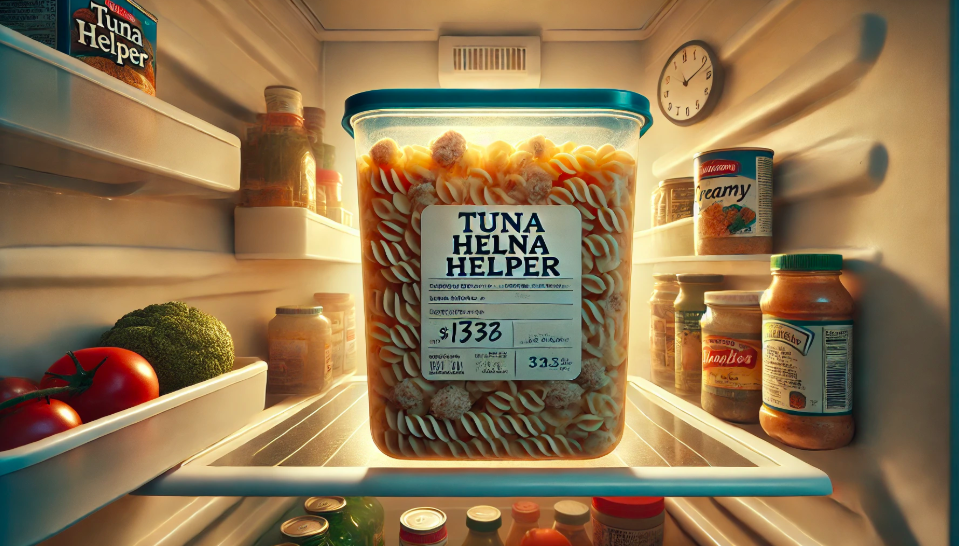
Tuna Helper can last in the fridge for about 3 to 4 days when stored properly. To ensure its safety and maintain its quality, it should be kept in an airtight container to prevent contamination and moisture loss. If you have leftover Tuna Helper, make sure it is refrigerated promptly after cooking and not left at room temperature for more than two hours. While it might still be safe to eat after a few extra days, the flavor and texture can deteriorate, so it’s best to consume it within the recommended time frame. If you're unsure about its freshness, always check for signs of spoilage, such as an off smell, discoloration, or mold growth.
Shelf Life Of Cooked Tuna Helper In The Fridge
Cooked Tuna Helper can safely be stored in the fridge. According to food safety guidelines from sources like the USDA. To ensure it stays fresh and safe, it should be placed in an airtight container to prevent contamination. It's important to let the dish cool down within two hours of cooking before refrigerating it. When reheating, make sure it reaches an internal temperature of 165°F (74°C) to kill any bacteria. If you want to store it longer, freezing is an option, and it can last for up to 3 months, though the texture and flavor may change upon thawing. Always check for any signs of spoilage, such as a sour smell or odd texture, before consuming leftovers.
How To Properly Store Tuna Helper For Maximum Freshness
To store Tuna Helperproperly and keep it fresh, follow these easy steps. These tips come from trusted sources for food safety and storage:
1. Check Expiration Dates
Before storing your Tuna Helper, check the expiration date on the box. Using it before this date ensures it’s safe to eat and retains the best flavor.
2. Store In A Cool, Dry Place
Keep unopened boxes of Tuna Helper in a pantry, cupboard, or any cool, dry area. Avoid storing it in places that are too warm or damp, like near a stove or sink, as this can cause the product to spoil faster.
3. Keep The Box Sealed
Once you open the Tuna Helper box, it's important to keep it sealed properly. If you only use part of the contents, close the box tightly or transfer any leftover mix to an airtight container. This prevents the seasoning or pasta from becoming stale.
4. Store Leftover Tuna Helper (Cooked) Properly
If you have leftover Tuna Helper after cooking, make sure to store it in the refrigerator. Place the leftovers in an airtight container. They should be eaten within 3-4 days for best taste and safety.
Can You Freeze Tuna Helper For Longer Storage?
Yes, you can freeze Tuna Helperfor longer storage. Freezing it can help keep the meal safe and fresh for several months. Here’s how you can do it and some important tips:
How To Freeze Tuna Helper
1. Prepare the Meal: First, cook the Tuna Helper as you normally would, according to the instructions on the box.
2. Cool It Down: Once it's cooked, allow the meal to cool to room temperature. This is important because freezing hot food can affect its texture and quality.
3. Store in Freezer-Safe Containers: Transfer the cooled Tuna Helper into a freezer-safe container or a resealable plastic bag. Make sure to remove any extra air to prevent freezer burn.
4. Label and Date: It’s helpful to label the container with the date so you can keep track of how long it's been frozen.
5. Freeze: Place the container in the freezer. Tuna Helper can last up to 2-3 months in the freezer without losing much quality.
How To Reheat Tuna Helper Safely After Storage
To safely reheat Tuna Helperafter it’s been stored, here are the best steps to follow, based on guidelines from food safety experts.
1. Store Leftovers Properly
- After making Tuna Helper, allow it to cool to room temperature before refrigerating.
- Place it in an airtight container to keep it fresh and avoid contamination.
- Store in the fridge within 2 hours of cooking. It can stay fresh for up to 3-4 days.
2. Reheat With Care
- Stovetop Method:
- Microwave Method:
- Oven Method:
3. Check Temperature
- Use a food thermometer to make sure the internal temperature is 165°F (74°C) before serving. This ensures it is safe to eat.
4. Avoid Reheating Multiple Times
- Only reheat the amount you plan to eat. Reheating Tuna Helper multiple times can increase the risk of foodborne illness.
Best Practices For Leftover Tuna Helper
To make the best use of leftover Tuna Helper, here are some straightforward tips:
1. Adding Fresh Ingredients: Add fresh vegetables like peas, corn, or bell peppers to boost flavor and nutrition. This also makes it feel like a fresh meal.
2. Use as a Base for New Meals: Repurpose leftovers by turning them into a casserole. Top with breadcrumbs or cheese and bake until golden for a new twist.
3. Freezing: If you can’t eat leftovers within a few days, consider freezing them. Store in a freezer-safe container for up to 2 months. To reheat, thaw overnight in the fridge and then warm on the stove or in the microwave.
These tips help preserve the taste and quality of your Tuna Helper while reducing food waste.
Signs That Tuna Helper Has Gone Bad
Tuna Helper, like other packaged foods, has a shelf life. Over time, it can go bad. Here are some clear signs that Tuna Helper may no longer be safe to eat:
1. Expiration Date Has Passed
- The first thing to check is the expiration date on the box. If it’s passed, the quality of the product might not be as good, even if it doesn't show other signs of spoilage.
2. Damaged Or Open Packaging
- If the box is crushed, torn, or damaged, moisture might get inside, causing the product to spoil. A sealed, intact package is important to keep the food safe.
3. Unusual Smell
- If the Tuna Helper gives off a sour, rancid, or off-putting smell when you open the box, it could be a sign that it’s gone bad. This is often due to the oils or ingredients inside turning bad.
4. Change In Texture
- If the pasta inside is sticky, soft, or mushy (before cooking), it could indicate moisture exposure or mold growth, both of which are signs that the product isn’t good anymore.
5. Visible Mold
- If you spot any mold, discoloration, or strange growths inside the box or on the seasoning packet, throw it away. Mold is a clear sign that the food is unsafe.
6. Off Taste After Cooking
- If you cook the Tuna Helper and it tastes strange or “off,” it’s a strong signal that the ingredients inside may have gone bad. Trust your taste buds in this case.