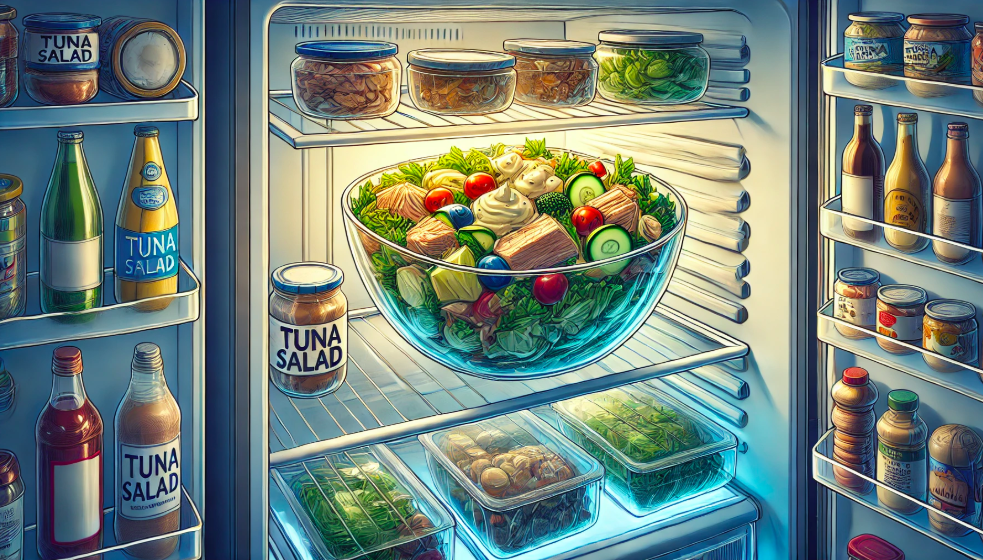
Tuna Salad, Which Is Typically Made From Canned Tuna Mixed With Mayonnaise And Other Ingredients Like Celery, Onions, Or Pickles, Is A Convenient And Delicious Dish. However, To Ensure It Stays Fresh And Safe To Eat, Proper Storage Is Crucial. The USDA Recommends That Tuna Salad, Like Most Leftovers, Should Be Consumed Within 3 To 4 Days When Stored Correctly In The Refrigerator. This Is Because After This Time, The Risk Of Foodborne Illnesses From Bacterial Growth Increases.
Tuna Salad Should Be Stored At A Temperature Of 40°F (4°C) Or Lower, Which Is The Standard Refrigerator Temperature. After Preparation, Place The Salad In An Airtight Container And Refrigerate It Promptly. Leaving The Salad Out At Room Temperature For More Than Two Hours Could Lead To Bacterial Growth, Which May Cause Foodborne Illnesses. If The Ambient Temperature Is 90°F (32°C) Or Higher, The Salad Should Be Refrigerated Within One Hour. These Precautions Help To Maintain The Freshness And Safety Of Tuna Salad During Its Storage Period.
Factors Affecting The Shelf Life Of Tuna Salad
There Are Several Factors That Can Influence How Long Tuna Salad Stays Fresh. These Include The Ingredients Used, How The Salad Is Prepared, And How It Is Stored.
1. Freshness Of Ingredients
The Freshness Of The Ingredients Plays A Significant Role In Determining The Shelf Life Of Tuna Salad. Freshly Prepared Vegetables, Such As Celery And Onions, Can Remain Crisp And Contribute To The Salad’s Texture For A Longer Period. However, Certain Ingredients, Like Avocado Or Tomatoes, Can Spoil Quickly. Avocados, For Example, Oxidize And Turn Brown When Exposed To Air, Reducing The Quality And Taste Of The Salad. Similarly, Tomatoes Release Moisture, Which Can Make The Salad Soggy And Less Enjoyable. If You Plan To Store Tuna Salad For Several Days, Consider Avoiding Or Limiting These Ingredients Or Adding Them Fresh When Serving.
2. Mayonnaise Or Dressing Used
The Type Of Dressing Or Binder Used In Tuna Salad Can Also Affect Its Shelf Life. Traditional Mayonnaise-based Tuna Salad Tends To Last A Bit Longer Than Those Made With Other Dressings, Such As Greek Yogurt Or Oil-based Dressings. Mayonnaise, Being A Fatty And Thick Substance, Has Preservatives That Help Maintain The Salad's Integrity, But Even Then, It Cannot Extend The Shelf Life Indefinitely. Other Dressings, Particularly Those With Dairy, Might Spoil Quicker. So, It’s Important To Know What Kind Of Dressing You’re Using And Its Impact On The Freshness Of The Salad.
3. Storage Conditions
Proper Storage Is Essential In Keeping Tuna Salad Fresh. Storing It In An Airtight Container Helps Prevent Air Exposure, Which Can Cause The Salad To Dry Out And Promote Bacteria Growth. The Container Should Also Be Kept In The Coldest Part Of The Fridge To Maintain A Safe Temperature. If The Tuna Salad Is Not Stored In A Sealed Container Or Is Left Uncovered In The Fridge, The Salad Can Absorb Other Odors From The Fridge And Spoil More Quickly.
How To Store Tuna Salad To Maximize Freshness
To Ensure Your Tuna Salad Stays As Fresh As Possible, It’s Important To Follow These Guidelines For Proper Storage:
1. Use Airtight Containers
Always Store Tuna Salad In Airtight Containers. This Helps Keep Out Air, Which Can Cause Oxidation And Spoilage. Airtight Containers Also Prevent The Salad From Absorbing Other Odors In The Fridge. Glass Or Plastic Containers With Tight-fitting Lids Are Both Good Options For Storing Your Tuna Salad.
2. Refrigerate Immediately After Preparation
As Soon As You Finish Making Or Purchasing The Tuna Salad, Place It In The Refrigerator. It Is Crucial To Avoid Leaving The Salad Out At Room Temperature For Extended Periods. According To Food Safety Guidelines, Perishable Foods Should Not Be Left At Room Temperature For More Than Two Hours. If The Weather Is Hot (above 90°F Or 32°C), The Salad Should Be Refrigerated Within One Hour.
3. Do Not Add Ingredients That Spoil Quickly
If You’re Preparing Tuna Salad In Advance, Avoid Adding Ingredients That Will Spoil Quickly, Such As Fresh Avocado Or Tomatoes, Unless You Plan To Eat The Salad Right Away. You Can Add These Ingredients Right Before Serving To Maintain The Freshness And Texture Of The Salad.
4. Keep The Fridge At The Right Temperature
Your Refrigerator Should Be Set To 40°F (4°C) Or Lower. It’s A Good Idea To Check The Temperature With A Refrigerator Thermometer To Ensure It Is Consistently At The Correct Setting. A Fridge That Is Too Warm Will Not Keep Your Tuna Salad Safe For Long.
Signs That Tuna Salad Has Gone Bad
Even With Proper Storage, Tuna Salad Can Go Bad Over Time. It’s Essential To Know The Signs Of Spoilage To Avoid Consuming It When It’s No Longer Safe. Here Are Some Key Indicators That Your Tuna Salad Has Spoiled:
1. Off Smell
A Sour Or Off Smell Is The Most Obvious Sign That Tuna Salad Has Gone Bad. Fresh Tuna Salad Typically Has A Mild, Pleasant Smell. However, As Bacteria Grow, It May Develop A Rancid Or Sour Odor, Especially If It Contains Mayonnaise Or Dairy. If Your Salad Smells Off, It’s Best To Discard It.
2. Change In Texture
If The Tuna Salad Has A Slimy Or Mushy Texture, That’s Another Sign That It Has Gone Bad. The Mayonnaise Can Break Down Over Time, Causing It To Become Watery And Unappetizing. Additionally, If The Vegetables In The Salad Become Limp Or Soggy, It’s A Sign That The Salad Is No Longer Fresh.
3. Mold
Any Visible Mold On The Surface Of The Tuna Salad Is A Clear Indicator That It Should Be Discarded Immediately. Mold Can Appear As Green, Black, Or White Spots, And Consuming Moldy Food Can Cause Health Issues.
4. Change In Taste
If The Tuna Salad Tastes Sour, Bitter, Or Just “off,” It’s Best Not To Eat It. A Change In Taste Is Often A Sign That The Ingredients Have Begun To Spoil Or That Bacterial Growth Has Occurred.
Can You Freeze Tuna Salad For Later Use?
Freezing Tuna Salad Is Generally Not Recommended. While You Can Freeze Other Types Of Salads, Tuna Salad Contains Ingredients Like Mayonnaise And Vegetables That Do Not Freeze Well. When Frozen And Then Thawed, The Mayonnaise Can Separate And Become Watery, Affecting The Texture And Taste Of The Salad. Additionally, Crunchy Vegetables Like Celery May Become Soft And Mushy After Freezing, Making The Salad Less Enjoyable.
If You Still Decide To Freeze It, Be Aware That The Quality May Suffer Upon Thawing. If You Want To Store Tuna Salad For An Extended Period, It’s Better To Freeze The Tuna And Other Ingredients Separately And Combine Them With Fresh Ingredients Like Mayonnaise Or Vegetables When You’re Ready To Eat.
Best Practices For Reheating Or Eating Leftover Tuna Salad
Tuna Salad Is Typically Served Cold, So There Is Usually No Need To Reheat It. However, If You Have Leftovers And Want To Eat Them, Here Are Some Best Practices For Ensuring That Your Leftovers Stay Fresh And Safe:
1. Eat Within 3 To 4 Days
To Ensure Your Leftover Tuna Salad Is Still Safe To Eat, Consume It Within 3 To 4 Days Of Preparation. After This Period, The Risk Of Bacterial Contamination Increases, Even If It Has Been Stored Properly.
2. Check For Signs Of Spoilage
Before Eating Leftover Tuna Salad, Always Check For Signs Of Spoilage, Such As An Off Smell, Unusual Texture, Or Mold. If You Notice Any Of These Signs, Discard The Salad Immediately.
3. Keep Leftovers In Airtight Containers
To Prevent Leftover Tuna Salad From Spoiling, Store It In Airtight Containers In The Refrigerator. This Helps Maintain The Freshness Of The Salad And Prevents It From Absorbing Unwanted Odors From Other Foods In The Fridge.