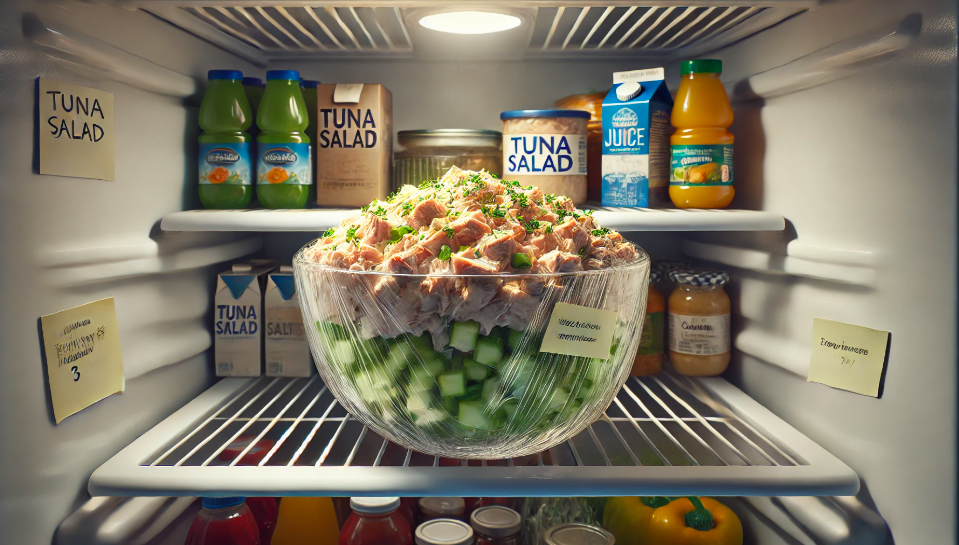
Tuna salad can typically stay fresh in the fridge for up to 3 to 5 days, provided it is stored properly. To ensure its freshness, it should be kept in an airtight container to prevent exposure to air and bacteria. The salad should also be refrigerated promptly after preparation, ideally within two hours, to reduce the risk of spoilage. If the tuna salad contains ingredients like mayonnaise or other dairy-based products, it’s important to check for any changes in texture, smell, or color, as these can indicate spoilage. Always use your best judgment, and if in doubt, it’s safer to discard the salad to avoid any foodborne illnesses.
Optimal Storage Methods for Tuna Salad
To keep your tuna salad fresh and safe to eat, follow these simple storage guidelines:
Refrigeration:
- Airtight Container: Store your tuna salad in a sealed container to prevent air and moisture from spoiling it.
- Temperature: Keep your refrigerator at or below 40°F (4°C). This temperature slows down bacterial growth, helping the salad stay fresh longer.
- Time Frame: Consume the tuna salad within 3 to 5 days. After this period, the risk of spoilage increases.
How to Extend the Shelf Life of Tuna Salad
To keep your tuna salad fresh for as long as possible, follow these simple steps:
- Use Fresh Ingredients: Start with fresh tuna and vegetables. Fresh ingredients help the salad stay good longer.
- Store Properly: Place the tuna salad in an airtight container. This keeps out air and bacteria, helping the salad stay fresh.
- Refrigerate Quickly: Put the salad in the fridge within two hours of making it. Cold temperatures slow down bacteria growth.
- Keep It Cold: Store the salad at 40°F (4°C) or below. This temperature helps keep the salad safe to eat.
- Add Acid: Mix in a little lemon juice or vinegar. The acid can help stop bacteria from growing.
What Ingredients in Tuna Salad Impact Its Freshness
The freshness of tuna salad is influenced by several key ingredients:
- Tuna: Using fresh tuna, such as grilled ahi, enhances the salad's flavor and texture.
- Vegetables: Adding fresh vegetables like celery, red onions, and dill pickles provides crunch and a burst of freshness.
- Herbs: Incorporating fresh herbs, such as parsley or dill, adds a vibrant, aromatic quality to the salad.
- Dressing: A dressing made from fresh ingredients like lemon juice, Dijon mustard, and olive oil can brighten the flavors and contribute to the salad's overall freshness.
- Seasonings: Using fresh seasonings, such as freshly ground black pepper and lemon zest, can enhance the salad's flavor profile.
How to Safely Reheat Leftover Tuna Salad
To safely reheat leftover tuna salad, you can use a microwave or stovetop. Here’s a simple guide:
- Microwave: Place the tuna salad in a microwave-safe container. Heat it on medium power for 1-2 minutes, stirring occasionally to ensure even warming.
- Stovetop: Put the tuna salad in a saucepan over medium heat. Stir it constantly until it is warmed throughout. This method helps avoid overheating and preserves the texture of the salad.
Signs of Spoilage in Tuna Salad
- Smell: Fresh tuna salad typically has a mild, slightly fishy smell. If your tuna salad emits a strong, pungent, or sour odor, it's likely spoiled. This is the most immediate indicator to check.
- Color and Appearance: Tuna salad should have a light pinkish-white hue if made with fresh ingredients. If it turns brown, green, or black, or shows visible signs of mold, it's no longer safe to eat.
- Texture: The texture should be slightly firm. If the salad becomes slimy or watery, this is a clear sign of spoilage.
- Taste: Although it's best not to taste it if other signs of spoilage are present, a sour or bitter flavor can indicate that the mayonnaise or other ingredients have gone bad.
- Storage Time: Tuna salad stored in the fridge should be eaten within 3 to 5 days. Always store it in an airtight container and keep it at temperatures below 40 degrees Fahrenheit.
Factors That Affect Tuna Salad's Freshness
Keeping tuna salad fresh is crucial for its taste and safety. Here are some key factors that affect the freshness of tuna salad:
- Temperature: Tuna salad should be stored at cold temperatures, ideally in a refrigerator. This slows down the growth of bacteria that can spoil the food.
- Ingredients Freshness: The initial quality of the ingredients (like tuna, mayonnaise, and any vegetables or herbs) greatly affects how long the salad will stay fresh. Always use fresh ingredients and check expiry dates on items like mayonnaise.
- Storage Time: Tuna salad should ideally be eaten within 3-4 days of preparation. The longer it is stored, even in the refrigerator, the greater the risk of it becoming unsafe to eat.
- Container Seal: Store tuna salad in an airtight container to keep out moisture and other contaminants. A tight seal also helps prevent the salad from absorbing flavors from other foods in the refrigerator.
- Acidity: Ingredients like lemon juice or vinegar can help slow down bacterial growth, extending the freshness of the salad. However, this will depend on the quantity and type of acidic ingredients used.
- Cross-Contamination: Always use clean utensils when serving tuna salad. Cross-contamination from utensils that have touched other foods can introduce bacteria and affect the freshness and safety of the salad.