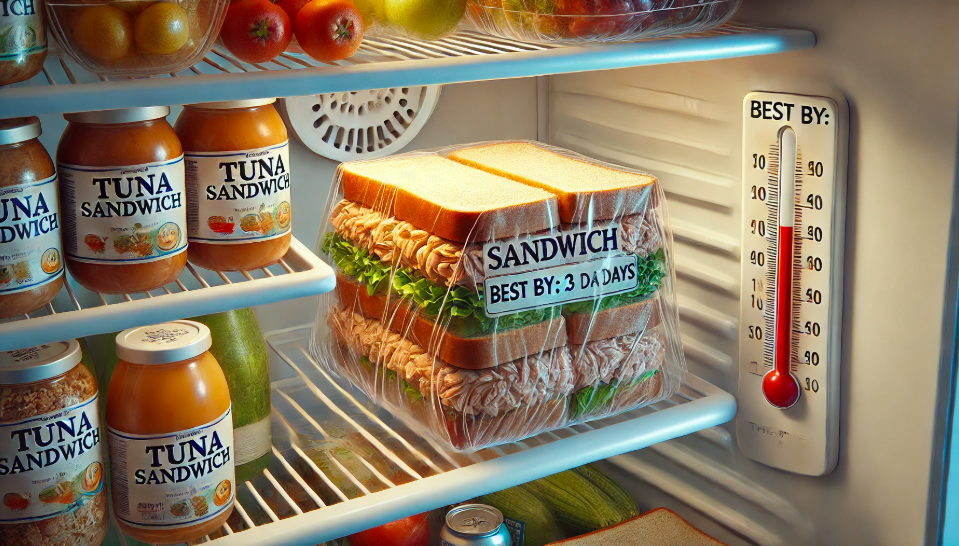
A tuna sandwich typically lasts about 1 to 2 days when stored properly in the fridge. To ensure its freshness, it should be kept in an airtight container or wrapped tightly in plastic wrap or foil. The sandwich's shelf life depends on factors such as the freshness of the ingredients used, like the tuna and bread, and how well it is stored. If the sandwich contains mayonnaise or other perishable ingredients, it’s important to consume it within this timeframe to avoid the risk of foodborne illness. If you notice any off smells, changes in texture, or mold, it's best to discard the sandwich.
Introduction: Understanding Tuna Sandwich Shelf Life
A tuna sandwich is a popular and convenient meal choice. However, it's important to know how long it stays safe to eat after preparation. The shelf life of a tuna sandwich depends on several factors, including the freshness of the ingredients, storage conditions, and the presence of perishable items like mayonnaise.
Freshness of Ingredients
The quality of the tuna and other components significantly affects the sandwich's longevity. Fresh tuna should be consumed within 1-2 days of purchase. Once prepared into a sandwich, it's best to eat it within 24 hours to ensure optimal taste and safety.
Storage Conditions
Proper storage is crucial in extending the shelf life of a tuna sandwich. If you plan to store it, keep the sandwich in an airtight container in the refrigerator at or below 40°F (4°C). This environment slows bacterial growth, helping maintain freshness.
Perishable Ingredients
Mayonnaise and other creamy condiments can shorten the sandwich's shelf life due to their moisture content. To prevent the bread from becoming soggy and to extend freshness, consider storing the tuna filling and bread separately, assembling the sandwich just before eating.
Proper Storage Tips For Tuna Sandwiches
To keep your tuna sandwich fresh and safe to eat, follow these simple storage tips:
1. Refrigerate Promptly: After preparing your tuna sandwich, place it in the refrigerator immediately. Bacteria grow quickly at room temperature, so it's important to keep the sandwich cold.
2. Use Airtight Containers: Store the sandwich in an airtight container or wrap it tightly in plastic wrap. This helps prevent it from drying out and stops it from absorbing other odors in the fridge.
3. Consume Within 3 to 5 Days: For the best taste and safety, eat your tuna sandwich within 3 to 5 days of making it. After this time, the quality may decline, and the risk of spoilage increases.
4. Avoid Room Temperature: Do not leave your tuna sandwich out at room temperature for more than two hours. Bacteria can multiply rapidly between 40°F and 140°F (4°C and 60°C), making the sandwich unsafe to eat.
5. Separate Wet Ingredients: If possible, keep wet ingredients like mayonnaise separate from the bread until you're ready to eat. This prevents the bread from becoming soggy and helps the sandwich stay fresh longer.
By following these tips, you can enjoy your tuna sandwich safely and at its best quality.
Can You Freeze A Tuna Sandwich?
Yes, you can freeze a tuna sandwich, but it's important to consider the ingredients to maintain quality. Tuna itself freezes well, but mayonnaise can separate and become watery upon thawing, affecting the sandwich's texture. To prevent this, it's advisable to freeze the tuna filling without mayonnaise. When ready to eat, add mayonnaise or other condiments after thawing.
Additionally, avoid adding ingredients like lettuce, tomatoes, or pickles before freezing, as they can become soggy. Instead, add these fresh ingredients after thawing the sandwich.
To freeze a tuna sandwich:
1. Prepare the sandwich without mayonnaise and without adding fresh vegetables.
2. Wrap the sandwich tightly in plastic wrap or aluminum foil.
3. Place it in a freezer-safe bag, removing as much air as possible.
4. Label the bag with the date and type of sandwich.
5. Store in the freezer for up to 2 months.
When ready to eat, thaw the sandwich in the refrigerator overnight. After thawing, add mayonnaise and any fresh vegetables. This method helps maintain the sandwich's quality and safety.
Signs That Your Tuna Sandwich Has Gone Bad
To ensure your tuna sandwich is safe to eat, look for these signs of spoilage:
1. Unpleasant Smell: Fresh tuna has a mild, fishy scent. If your sandwich smells sour or off, it's best to avoid eating it.
2. Discoloration: Fresh tuna is pink or light brown. If the tuna in your sandwich appears dull, gray, or has dark spots, it may be spoiled.
3. Slimy Texture: If the tuna feels slimy or mushy, it's a sign that it has gone bad.
4. Bulging or Leaking Packaging: If the sandwich was pre-packaged and the packaging is bulging or leaking, the tuna inside may be spoiled.
5. Off Taste: If the tuna tastes sour or different from its usual flavor, it's best to discard the sandwich.
Always store tuna sandwiches in the refrigerator and consume them within a few days to ensure freshness and safety.
Factors That Affect The Shelf Life Of Tuna Sandwiches
The shelf life of a tuna sandwich depends on several factors:
1. Preparation Method: Adding moist ingredients like mayonnaise can make the bread soggy and reduce the sandwich's lifespan. It's best to add such condiments just before eating.
2. Packaging: Storing the sandwich in an airtight container or wrapping it tightly in plastic wrap helps maintain its quality and prevents contamination.
3. Handling Practices: Proper hygiene during preparation and storage reduces the risk of contamination and spoilage.
By considering these factors, you can enjoy your tuna sandwich safely and at its best quality.
Conclusion: Best Practices For Keeping Your Tuna Sandwich Fresh
To keep your tuna sandwich fresh and safe to eat, follow these simple steps:
1. Use Fresh Ingredients: Start with fresh tuna, mayonnaise, and bread. Avoid using ingredients that are past their expiration date.
2. Assemble Just Before Eating: If possible, prepare the sandwich right before you plan to eat it. This helps maintain the best taste and texture.
3. Consume Within Three Days: For the best quality and safety, eat the sandwich within three days of making it. After this time, the risk of spoilage increases.
By following these steps, you can enjoy a fresh and safe tuna sandwich.