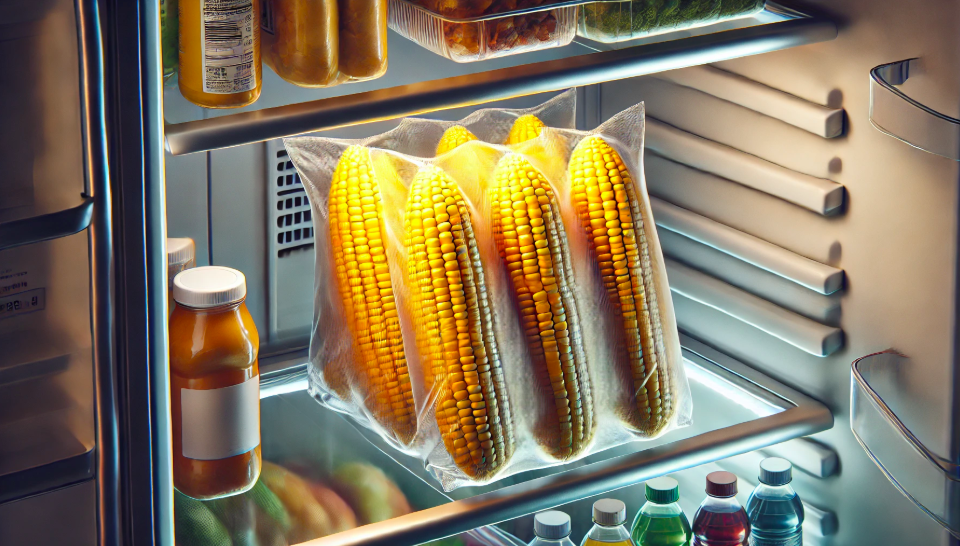
Uncooked corn typically lasts 1 to 3 daysin the fridge, depending on its freshness at the time of purchase and how well it's stored. To maximize its shelf life, corn should be kept in its husk, as the husk helps retain moisture and prevents the kernels from drying out. If the corn is already husked, it should be placed in an airtight container or wrapped tightly in plastic wrap to prevent exposure to air, which can speed up spoilage. While fresh corn can stay edible for a few days, its quality—especially flavor and texture—begins to decline after a day or two. For longer storage, freezing uncooked corn is a good option, which can extend its shelf life for several months.
How To Store Uncooked Corn For Maximum Freshness
To store uncooked corn for maximum freshness, it’s best to keep the husk on if possible, as it helps protect the kernels and retains moisture. Fresh corn should be refrigerated, ideally in the vegetable crisper drawer, to maintain its sweetness. If you can't store it with the husk, wrap it in a plastic bag or cling film to prevent it from drying out. For long-term storage, freezing is a good option. First, blanch the corn by briefly boiling or steaming it for 4–5 minutes, then cool it in cold water and dry it. Afterward, wrap the corn in plastic wrap or foil and place it in a freezer-safe bag, labeling it with the date. Regularly check the stored corn for any signs of spoilage to ensure it stays fresh longer.
Best Practices For Freezing Uncooked Corn
To properly freeze uncooked corn, start by selecting fresh, ripe ears of corn. Remove the husks and silk, ensuring the kernels are clean and undamaged. Next, blanch the corn to preserve its flavor and texture. To do this, bring a large pot of water to a boil, then immerse the whole cobs for 4-6 minutes. After blanching, transfer the cobs immediately to a bowl of ice water to stop the cooking process. Once the corn is cool, you can either freeze it on the cob or cut the kernels off. If you cut the kernels, use a sharp knife to remove them from the cob, collecting any fallen kernels with a towel. When packaging, wrap each cob in plastic wrap or foil, or store the kernels in freezer bags or airtight containers. Remove as much air as possible to prevent freezer burn. Label the packages with the date, and store them in the freezer for up to 12 months. When ready to use, you can either thaw the corn in the fridge or cook it directly from frozen in soups, stews, or stir-fries.
How Long Does Corn Last After Being Cooked?
Cooked corn, whether on the cob or off, can last for a few days if stored correctly. Here’s what you need to know based on solid guidelines:
Storage Time For Cooked Corn:
1. In the Refrigerator: Cooked corn can last 3 to 5 daysin the fridge. Make sure to store it in an airtight container or wrap it tightly in plastic wrap or foil to prevent it from drying out and absorbing other odors from the fridge.
2. In the Freezer: If you want to keep cooked corn for a longer period, you can freeze it. Properly stored in a freezer-safe bag or container, cooked corn can last for up to 6 months. For best quality, try to consume it within 3 months.
Can You Eat Corn After Its Expiry Date?
Eating corn after its expiration date can be risky, but whether it's safe depends on the type of corn (canned, frozen, or fresh) and how it's been stored. Here's a breakdown based on reliable sources:
1. Canned Corn:
Canned corn can last beyond its expiry date if it has been stored properly. The expiration date on the can is generally a "best by" date, which means the quality might decline after that, but it doesn't necessarily mean the corn is unsafe. However, if the can is bulging, rusted, or damaged, it's better to throw it out, as this can indicate contamination.
- Storage Tip:Keep canned corn in a cool, dry place. If the can is opened, refrigerate any leftover corn and consume it within a few days.
2. Frozen Corn:
Frozen corn can last months past the expiry date if it has been kept frozen. While frozen foods don’t spoil in the same way as fresh foods, the quality may suffer over time, leading to changes in taste and texture.
- Storage Tip:Make sure the corn remains at a constant freezing temperature. If it starts to thaw and refreeze, it could develop ice crystals and lose quality.
3. Fresh Corn:
Fresh corn (like on the cob) is highly perishable and can only last a few days past its expiration date if it has been stored properly in the fridge. Once it starts to lose its sweetness or develop spots or mold, it should be discarded.
Factors That Affect The Freshness Of Corn
Freshness of corn can be influenced by several factors. These are mainly about how corn is grown, harvested, stored, and handled. Here are the main factors that affect the freshness of corn:
1. Time Since Harvest
- Harvesting Time: Corn is freshest when eaten soon after being picked. As time passes, the sugars in the kernels turn into starch, making the corn less sweet and more starchy. The longer corn is left after picking, the less fresh it becomes.
- Storage Conditions: If corn is not stored properly after harvest, it will lose its freshness quickly. Keeping corn in a cool place, like a refrigerator, helps it stay fresh longer.
2. Temperature
- Heat: High temperatures can speed up the aging process of corn. Fresh corn should be kept cool right after picking. Corn kept at room temperature for too long will spoil faster.
- Cold Storage: Storing corn in a fridge (or even in ice water) can slow down the aging process and help it stay fresh longer.
3. Moisture
- Water Content: Corn kernels are made up mostly of water, and too much moisture can lead to mold and spoilage. It's important to keep corn dry during storage. On the other hand, if corn gets too dry, it can become tough and lose its sweetness.
- Humidity: Storing corn in a humid environment can cause it to lose its crispness and freshness. A dry, cool place is ideal for keeping it fresh.
4. Harvest Method
- Hand-Picked vs. Machine-Picked: Corn that is hand-picked is generally handled more carefully, which helps preserve its freshness compared to corn harvested by machines. Gentle handling reduces the chances of damage to the kernels.
5. Corn Variety
- Sweet Corn: The freshness of sweet corn depends on its variety. Some varieties are naturally more tender and sweet, while others last longer after harvesting. Corn bred for longer shelf life may not taste as sweet but can remain fresh for a longer time.
Signs That Corn Has Gone Bad
When corn goes bad, it can show a few clear signs. Here are some of the main ones:
1. Smell
- Fresh corn has a sweet, mild smell. If it starts to smell sour, rotten, or off in any way, it’s a clear sign the corn is bad.
2. Discoloration
- Fresh corn kernels should be yellow or white (depending on the type). If they start turning brown, black, or dark, it means the corn is spoiled.
3. Wrinkled Husk
- If the corn husk (the outer layer) is very wrinkled or dry, it might be old or has dried out. This usually means the corn inside isn’t fresh anymore.
4. Slimy Or Mushy Kernels
- If you peel back the husk and the kernels are slimy or mushy, that’s a sign of spoilage. Good kernels should feel firm to the touch.
5. Soft Or Shriveled Kernels
- Fresh corn kernels are plump and firm. If they feel soft, shriveled, or dry, the corn has likely gone bad.
6. Mold Or Fungus
- If you spot any mold on the husk or kernels, discard the corn immediately. Mold means the corn is no longer safe to eat.
7. Appearance Of Silk
- The silk (the long, thin threads) should be golden or pale. If it's dark and dry, this is a sign that the corn is past its prime.