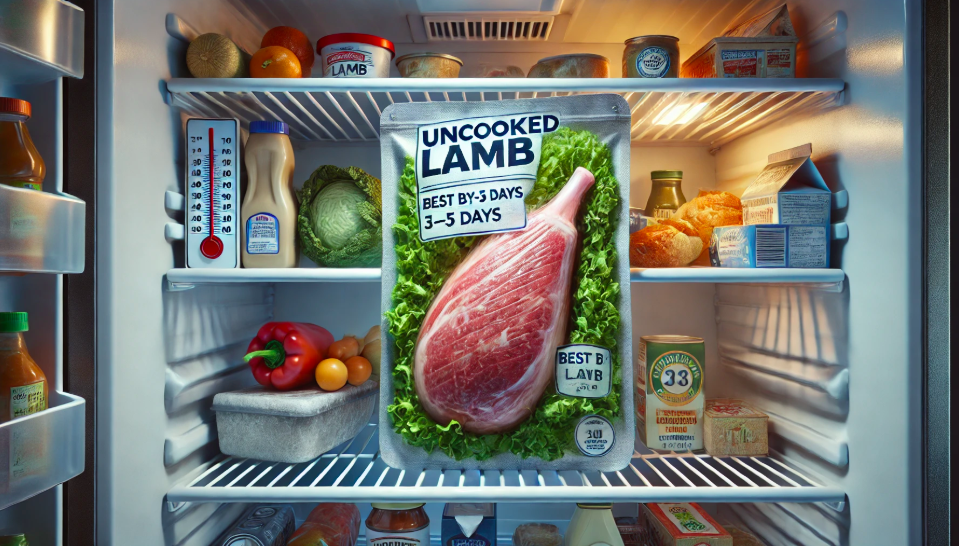
Uncooked lamb can typically last in the fridge for about 3 to 5 days when stored properly. It’s important to keep it in an airtight container or tightly wrapped in plastic wrap to prevent exposure to air and bacteria. If you don’t plan to use the lamb within this time frame, freezing it is a good option to extend its shelf life for several months. Always be sure to check for any signs of spoilage, such as an off smell, slimy texture, or discoloration, before cooking.
Understanding Uncooked Lamb Storage
Proper storage of uncooked lamb is essential to maintain its freshness and prevent foodborne illnesses. By following correct storage practices, you can ensure that lamb remains safe and retains its quality until you're ready to cook it.
Refrigeration:
- Temperature: Store uncooked lamb in the refrigerator.This temperature slows bacterial growth, keeping the meat safe.
- Storage Duration: Fresh lamb cuts like roasts, steaks, and chops can be stored in the refrigerator for 3 to 5 days. Ground lamb should be used within 1 to 2 days.
- Packaging: Keep lamb in its original packaging. If you need to repackage it, use airtight containers or wrap it tightly in plastic wrap or aluminum foil to prevent exposure to air and moisture.
General Shelf Life Of Uncooked Lamb In The Fridge
Uncooked lamb can be safely stored in the refrigerator for 3 to 5 days. To maintain its freshness and prevent spoilage, keep the refrigerator temperature at or below 40°F (4°C). For longer storage, freezing is an effective option. Properly wrapped and stored in the freezer, uncooked lamb can retain its quality for up to 6 to 9 months.
Storage Tips:
- Refrigeration: Place the lamb in its original packaging or wrap it tightly in plastic wrap or aluminum foil. Store it on the lowest shelf to prevent any juices from contaminating other foods.
- Freezing: Wrap the lamb securely in airtight containers, freezer bags, or with freezer paper followed by aluminum foil to prevent freezer burn and moisture loss.
Signs of Spoilage:
- Color: Fresh lamb should have a soft red or pinkish color. A dull color may indicate spoilage.
- Smell: A sour or off smell is a clear indication that the lamb has gone bad.
- Texture: A slimy or sticky surface suggests bacterial growth, and the meat should not be consumed.
Always handle and store lamb properly to ensure its safety and quality.
Best Practices For Storing Uncooked Lamb
Proper storage of uncooked lamb is essential to maintain its freshness and ensure safety. Here are some best practices:
Freezing:
- Preparation: Wrap lamb cuts tightly in heavy-duty aluminum foil, freezer paper, or place them in freezer-safe bags to prevent freezer burn.
- Storage Duration:
- Labeling: Clearly label packages with the date of freezing to keep track of storage time.
Thawing:
- Refrigerator Thawing: Place frozen lamb in the refrigerator, allowing approximately 24 hours for every 5 pounds of meat.
- Cold Water Thawing: Seal lamb in a leak-proof plastic bag and submerge in cold water, changing the water every 30 minutes. Cook immediately after thawing.
- Microwave Thawing: Use the defrost setting and cook the lamb immediately after thawing.
How To Extend The Shelf Life Of Uncooked Lamb
To extend the shelf life of uncooked lamb, proper storage is essential. Here are some effective methods:
1. Vacuum Sealing:
- Method: Vacuum sealing removes air from the packaging, which can extend the shelf life of uncooked lamb. This method is particularly effective when combined with refrigeration or freezing.
2. Curing:
- Process: Curing involves adding salt to the lamb, which draws out moisture and creates an environment less favorable for bacterial growth. This method can significantly extend the shelf life of the meat.
3. Biopreservation:
- Approach: This method uses beneficial bacteria or their byproducts to inhibit the growth of spoilage organisms. While more common in processed meats, it can be applied to lamb to extend its shelf life.
Additional Tips:
- Hygiene: Always wash your hands, utensils, and surfaces thoroughly before and after handling raw lamb to prevent contamination.
- Inspection: Before cooking, check the lamb for any signs of spoilage, such as an off smell, slimy texture, or discoloration. If any of these are present, it's best to discard the meat.
By following these storage methods, you can effectively extend the shelf life of uncooked lamb, ensuring it remains safe and of high quality for consumption.
Factors Affecting Lamb's Freshness In The Fridge:
To keep lamb fresh in the fridge, several factors should be considered. The packaging of the lamb plays a significant role as well—keeping it in its original packaging or wrapping it tightly in plastic wrap or aluminum foil can help reduce exposure to air, which can lead to spoilage. Additionally, it’s best to use fresh lamb within 3 to 5 days of purchase for optimal quality and safety. Storing lamb on the bottom shelf of the fridge is also essential, as this prevents its juices from dripping onto other foods and causing cross-contamination. Finally, the initial freshness of the lamb affects how long it will stay good—choosing lamb that is firm, moist, and has a clean smell at the time of purchase will help it last longer. By paying attention to these factors, lamb can be stored safely and stay fresh for a longer period.
How To Identify If Uncooked Lamb Has Gone Bad
To determine if uncooked lamb has spoiled, observe the following signs:
1. Smell: Fresh lamb has a clean, meaty aroma. If it emits a strong, unpleasant, sour, or fishy odor, it's likely spoiled.
2. Color: Fresh lamb is bright red or pink. A dull gray or greenish hue indicates spoilage.
3. Texture: The meat should feel firm and slightly wet. If it feels slimy or sticky, it's a sign of spoilage.
4. Mold: Visible mold growth on the lamb meat is a clear indication that it has gone bad and should not be consumed.
Always trust your senses. If the lamb smells off, has an unusual color, or feels slimy, it's safer to discard it to avoid foodborne illness.