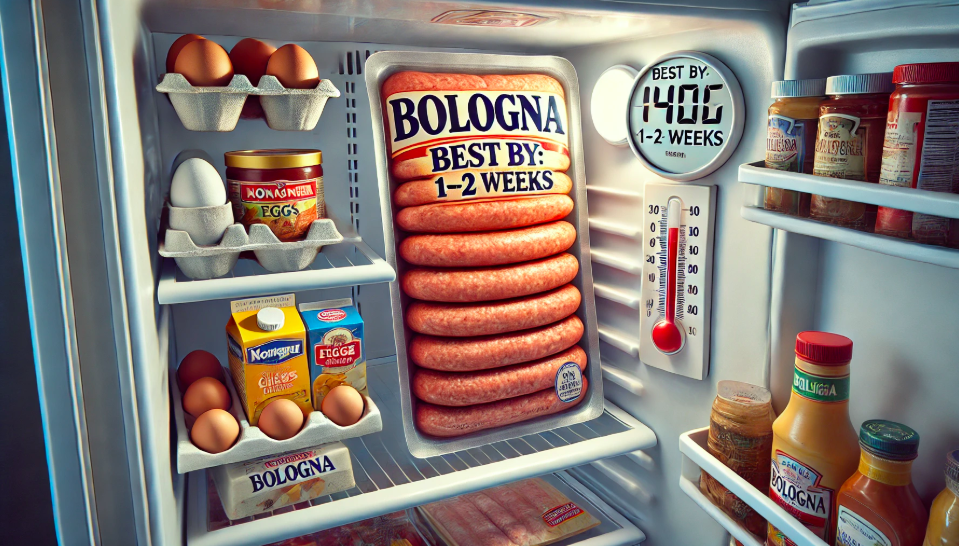
Unopened bologna can last in the fridge for about 1 to 2 weeks past its "use by" or "sell by" date, as long as it is stored properly. The cold temperature of the fridge slows down the growth of bacteria, helping to preserve its freshness. However, the exact shelf life can vary depending on the packaging and how well the bologna is sealed. For optimal freshness, it's best to keep it in its original packaging and store it in the coldest part of the fridge. Always check for signs of spoilage, such as an off smell, slimy texture, or discoloration, before consuming. If you're unsure, it's safer to discard it.
The Shelf Life Of Unopened Bologna
Bologna is a popular deli meat known for its mild flavor and convenience. If you’ve ever bought a pack of unopened bologna, you may have wondered how long it stays safe to eat. The shelf life of unopened bologna largely depends on how it's stored and the date on the packaging. Bologna is made from processed meat and preservatives, which help it last longer than fresh meats. However, like all perishable foods, it’s important to check for signs of spoilage, such as an off smell, slimy texture, or discoloration, before consuming it.
For optimal freshness and safety, it's best to follow storage instructions and consume unopened bologna within the recommended time frame. If you don't plan to eat it right away, freezing it can extend its shelf life even further.
Best Storage Practices For Unopened Bologna
Here are some best practices for storing unopened bologna, based on food safety guidelines:
1. Keep It Refrigerated
- Temperature: Bologna should be stored in the fridge at or below 40°F (4°C). This helps prevent harmful bacteria from growing.
- Packaging: Keep the bologna in its original, unopened packaging. This ensures it stays sealed and protected.
2.Do Not Freeze
- Freezing bologna is not recommended as it can affect its texture and taste. Bologna may become dry or crumbly after freezing and thawing.
3. Storage Location
- Store bologna on the middle or lower shelvesof the fridge, where the temperature is most stable. Avoid placing it in the door, as this part of the fridge experiences temperature changes when opened.
4. Keep It Sealed
- Sealed Packaging: Always keep the packaging intact until you're ready to use it. This prevents contamination and helps the bologna maintain its quality.
By following these simple storage practices, you can keep unopened bologna fresh and safe for as long as possible.
Freezing Unopened Bologna: A Viable Option
Freezing unopened bologna is a viable option for extending its shelf life, and it is a practice recommended by food safety experts. Here’s what you need to know:
How To Freeze Unopened Bologna
If you have unopened bologna and plan to freeze it, follow these steps:
1. Check the Packaging:Ensure the vacuum-sealed package is intact and not damaged.
2. Freeze Immediately:Place the bologna in the freezer as soon as you purchase it, ideally before the expiration date.
3. Avoid Re-Freezing:Once you defrost the bologna, do not re-freeze it, as this can affect its texture and taste.
How To Thaw Frozen Bologna:
1.Refrigerator Method: The best way to thaw frozen bologna is to place it in the refrigerator. This can take a day or two depending on the thickness of the slices or package.
2.Quick Thawing: If you need it faster, you can also thaw it in the microwave, but it might affect the texture slightly.
Factors Affecting Bologna's Freshness
Bologna is a type of processed meat that can lose its freshness over time. Several factors affect how long it stays fresh. Here are some of the main ones:
1.Exposure To Air
Air exposure is one of the biggest reasons bologna goes bad. The oxygen in the air can cause the meat to oxidize, which changes its color and can lead to spoilage. It can also cause the fat in the bologna to become rancid, giving it a bad taste. The more air it is exposed to, the quicker it will lose its freshness.
2. Moisture
Too much moisture can make bologna go bad faster. If the bologna is stored in a humid environment, bacteria will grow more easily. That’s why it's important to store bologna in a dry place and keep it sealed tightly. Excess moisture can also cause the texture to become mushy or slimy.
3. Use Of Preservatives
Bologna typically contains preservatives like nitrates and nitrites, which help prevent bacterial growth and extend shelf life. However, over time, even with preservatives, bologna can lose its quality. If it’s stored improperly or too long, these preservatives may not be as effective.
4.Type Of Bologna
The type of bologna (e.g., standard, low-fat, or gourmet) can also affect its shelf life. Some varieties may have fewer preservatives or contain different ingredients, which may cause them to spoil faster. Gourmet or fresh bologna, for instance, may have a shorter shelf life than the more processed versions.
Signs Of Spoiled Bologna: When To Toss It
Here are the signs that your bologna has spoiled and should be tossed:
1. Off Smell
Bologna should have a mild, meaty smell. If it starts to smell sour, rancid, or just "off," it’s time to throw it away.
2. Discoloration
Fresh bologna is usually a pink or reddish color. If you notice green, gray, or brown spots, or if it has an overall dull appearance, it has likely gone bad.
3. Slimy Texture
If the bologna feels slimy or sticky to the touch, it is no longer safe to eat. This slimy layer means bacteria have begun to grow on the meat.
4. Change In Texture
Bologna should feel firm and slightly soft, but if it becomes unusually mushy or hard, it may be spoiled.
5. Mold
Mold on the surface is a clear sign of spoilage. Mold can be green, blue, or white and should never be eaten.