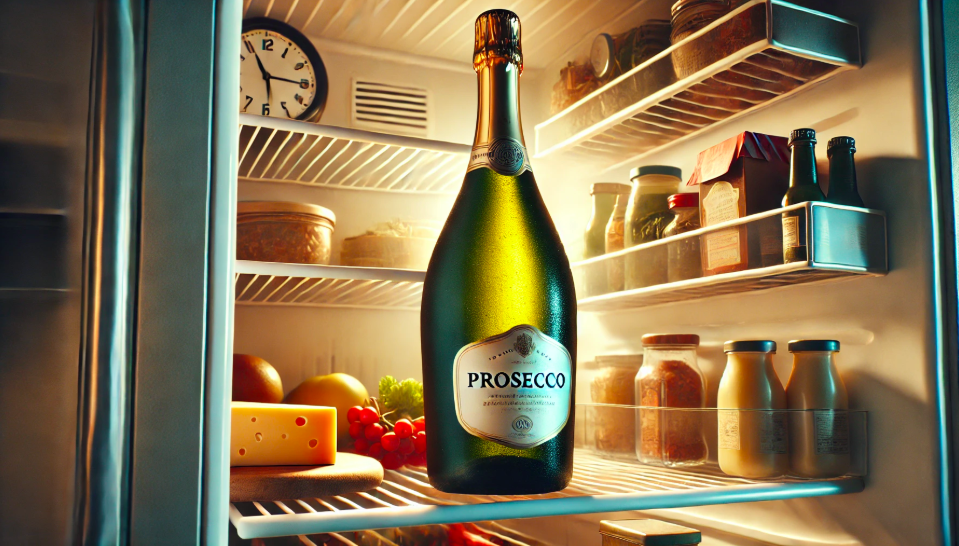
Unopened Prosecco can last in the fridge for about 1 to 3 years, depending on the quality and type of Prosecco. Generally, non-vintage Prosecco is best consumed within 1 to 2 years of purchase, while higher-quality vintage Prosecco can be stored for up to 3 years. The cold temperature of the fridge helps preserve the wine, preventing it from oxidizing or deteriorating too quickly. However, it’s important to keep the bottle stored upright in a consistent, cool environment to maintain its freshness. While Prosecco doesn’t "expire" in the traditional sense, its flavors and bubbles may degrade over time, so it’s always a good idea to consume it within the recommended period for the best taste experience.
Can You Freeze Unopened Prosecco To Extend Its Life?
You can freeze unopened Prosecco, but it’s not the best way to preserve it. While freezing can extend its shelf life, there are a few things to keep in mind:
Why Freezing Unopened Prosecco Isn't Ideal
- Loss of Bubbles: Prosecco is a sparkling wine, and freezing it can cause the carbon dioxide (the gas that creates the bubbles) to escape. After freezing, the wine may lose its fizz, which is a big part of what makes Prosecco enjoyable.
- Bottle Pressure: Prosecco is bottled under pressure to keep the bubbles intact. When frozen, the liquid expands and could cause the bottle to crack or even explode, especially if it’s in a glass bottle.
- Taste Change: Freezing can alter the taste and texture of the wine. The freezing process may make it less flavorful and less smooth, which isn’t ideal if you’re planning to drink it later.
How To Freeze Unopened Prosecco Safely
If you still want to freeze Prosecco, follow these steps to reduce the risk of problems:
1. Use a Plastic Bottle: If the Prosecco is in a glass bottle, transfer it to a plastic bottle. Glass could crack under the pressure of the expanding liquid when frozen.
2. Leave Space: Don’t fill the bottle all the way to the top. Leave some space for the liquid to expand as it freezes.
3. Freeze for Short Periods: Only freeze Prosecco for short periods (a few hours or a day), as long-term freezing can cause more damage to the wine.
Best Storage Practices For Unopened Prosecco
When it comes to storing unopened Prosecco, there are a few key things to keep in mind to maintain its quality and flavor:
1. Store In A Cool Place
Prosecco should be stored in a cool, consistent temperature, ideally between 45°F and 55°F (7°C to 13°C). Avoid areas that are too hot, as heat can affect the flavor and cause the wine to age prematurely.
2. Keep It Away From Light
Light, especially sunlight, can damage the wine and change its taste. Store your Prosecco in a dark place, or at least in a box or cupboard that shields it from light.
3. Keep Bottles Upright
Store your Prosecco bottles standing up. This helps prevent the cork from coming into contact with the wine, which could cause it to spoil or lose its carbonation.
4. Avoid Vibrations
Prosecco, like other wines, does not do well with constant movement. Vibrations can disturb the wine and impact its aging process, so try to keep the bottle in a stable, vibration-free environment.
How Long Does Unopened Prosecco Last In The Fridge?
Unopened Prosecco can last quite a while if stored correctly. Generally, Prosecco keeps its best quality for about 1 to 3 yearsafter the bottling date, though it doesn’t spoil after that. The key factor in maintaining its freshness is storage.
How To Store Unopened Prosecco:
- Keep it in a cool place:A consistent, cool temperature is best. The fridge is a good option as it keeps the bottle chilled and prevents it from getting too warm.
- Lay the bottle on its side:If you store it in the fridge, keep the bottle on its side to keep the cork moist, which helps prevent air from getting in and affecting the wine.
- Avoid direct sunlight and heat:Store the Prosecco away from sunlight and heat sources, as these can damage the wine and cause it to lose its flavor faster.
Factors Affecting Prosecco’s Longevity
The longevity of Prosecco, like any sparkling wine, depends on several factors. Below are the key elements that influence how long Prosecco will maintain its quality:
1. Storage Conditions
Proper storage is crucial to preserving Prosecco's freshness. It should be kept in a cool, dark place, away from heat and sunlight. Prosecco should ideally be stored horizontally to keep the cork moist, which prevents it from drying out and allowing air to enter the bottle.
2. Type Of Prosecco
The style of Prosecco can also impact its longevity. Most Prosecco is made to be consumed young and fresh, often within 1 to 2 years of purchase. However, higher-quality Prosecco, particularly those labeled "Cartizze" or "Rive," may have better aging potential.
3. Bottle Closure
Prosecco typically uses a crown cap (similar to beer bottles) rather than a cork for sealing. This closure helps retain the wine’s freshness for a longer time, but Prosecco is still best enjoyed within a couple of years after bottling.
4. Exposure To Air
Once a bottle is opened, Prosecco can lose its fizz and freshness quickly. The carbonation in sparkling wines, including Prosecco, tends to dissipate after opening, and the wine should ideally be consumed within a few hours to retain its quality.
5. Temperature Fluctuations
Extreme changes in temperature can negatively affect Prosecco. Consistent storage at a stable, moderate temperature, ideally between 45-55°F (7-13°C), helps preserve its freshness and flavor.
6. Vintage Vs Non-Vintage
Non-vintage Prosecco is meant to be consumed within a year or two of release, while some vintage Proseccos (made from grapes of a single year) may have a slightly longer shelf life due to better grape quality and production methods.
Signs Of Spoiled Prosecco
Spoiled Prosecco can lose its original taste and quality. Here are some signs that Prosecco has gone bad, based on reliable sources like wine experts and winemaking guides:
1. Flat Or Less Fizzy
- Prosecco is known for its bubbles. If the fizz is missing or the bubbles are weak, it could be a sign that the wine has gone flat. Over time, the carbonation can escape, especially if the bottle has been opened and not sealed properly.
2. Off Or Sour Smell
- Fresh Prosecco has a fruity, floral aroma. If it smells sour, like vinegar, or has a musty, off-putting odor, it's a sign that the wine has spoiled. Prosecco can turn into "acetic acid" (like vinegar) when it's past its prime.
3. Change In Color
- Prosecco typically has a pale, straw yellow color. If it appears darker, more brownish, or cloudy, it's a clear indication that the wine has aged badly or been exposed to heat or air for too long.
4. Unpleasant Taste
- The taste of spoiled Prosecco can become overly bitter or sour. If it no longer tastes fresh or balanced—lacking the sweet, fruity flavors typical of Prosecco—it’s likely that it has gone bad. Prosecco that has been left open too long can taste flat and lose its usual vibrancy.
5. Leakage Or Broken Seal
- A cork that is no longer tightly sealed or shows signs of leaking could allow air inside, leading to the Prosecco spoiling faster. If you notice this, it's better to discard the bottle, as it will have lost its quality.
6. Excessive Sediment
- While some Prosecco may have small amounts of sediment, a large amount could indicate it’s no longer safe to drink. Prosecco should not have significant particles floating in it unless it's an unfiltered variety, which is rare.