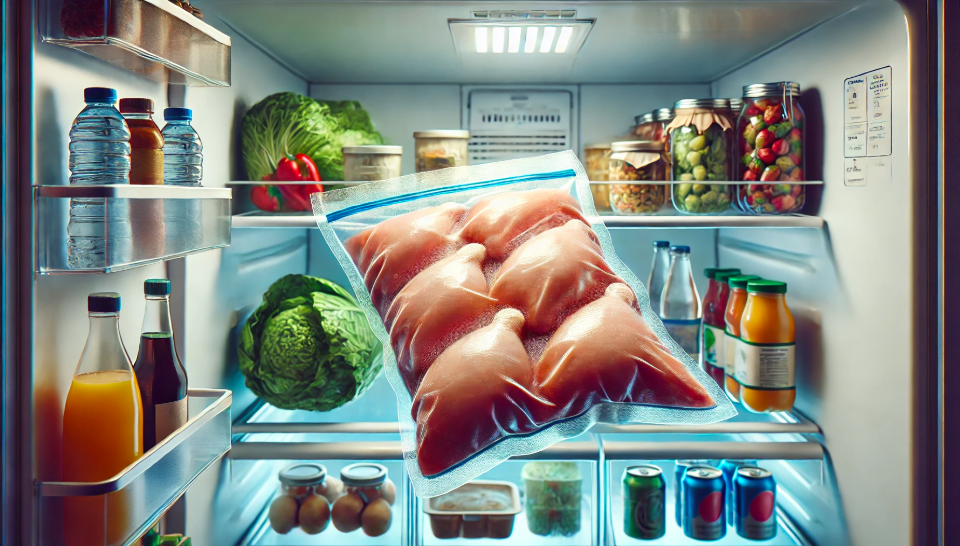
Vacuum-packed chicken typically lasts about 1 to 2 weeks in the fridge, depending on the freshness of the chicken when it was packaged and the temperature at which it is stored. The vacuum-sealing process helps extend the shelf life by removing air, which reduces the growth of bacteria and mold. If the packaging is intact and the fridge is kept at the right temperature, vacuum-packed chicken should remain safe to consume within this timeframe. Always check for any signs of spoilage, such as off smells, changes in color, or slimy texture, before cooking. If you're unsure or the chicken has been stored for longer than recommended, it’s safer to discard it.
Can You Freeze Vacuum-Packed Chicken For Longer Shelf Life?
Yes, you can freeze vacuum-packed chicken to extend its shelf life. Vacuum sealing removes air, which slows down bacterial growth and prevents freezer burn, making it a great option for long-term storage. When frozen properly at 0°F (-18°C), vacuum-packed chicken can stay safe and maintain its quality for 6 to 12 months. The sealed packaging helps preserve moisture and texture, but it’s important to keep the package unopened until ready to use. To get the best results, label the package with the date it was frozen and avoid thawing and refreezing, as this can affect the chicken’s texture. For safe thawing, it’s best to leave the chicken in the fridge overnight, but you can also use a microwave or cold water bath if needed quickly.
Best Practices For Storing Vacuum-Packed Chicken In The Fridge
To properly store vacuum-packed chicken in the fridge, start by ensuring the packaging is intact and the "use by" date has not passed. Once you get home, place the chicken in the fridge right away.The vacuum seal is designed to keep the chicken fresh, so you don’t need to repackage it if the seal is still intact. If the seal is broken, wrap the chicken tightly in plastic or foil, or place it in an airtight container. Store the chicken on the bottom shelf of the fridge to prevent any liquids from dripping onto other foods. Fresh vacuum-packed chicken should be used within 1-2 days, but if you can’t use it that quickly, you can freeze it for longer storage—up to 6-12 months. When freezing, remember to thaw it in the fridge, not at room temperature, to maintain safety. Avoid overcrowding the fridge to allow proper air circulation, which helps keep the chicken at a safe temperature.
What Happens If You Eat Expired Vacuum-Packed Chicken?
Eating expired vacuum-packed chicken can pose health risks, as bacteria like Salmonellaand Campylobactercan grow on the meat after the expiration date, especially if it has not been stored properly. While vacuum-packing helps keep bacteria out and preserves the chicken for a longer time, it does not prevent spoilage indefinitely. If the chicken is past its expiration date, it might develop a sour smell, change color, or have a slimy texture, indicating it has spoiled. In such cases, eating the chicken can cause food poisoning, leading to symptoms like stomach cramps, vomiting, diarrhea, and fever. Even if the chicken doesn’t seem spoiled, its taste and texture could be off, with it becoming dry or mushy. How the chicken has been stored also plays a big role; if it was kept cold and unopened, it may still be safe for a short time after the expiration, but if it has been left out at room temperature, the risk increases.
Factors Affecting The Shelf Life Of Vacuum-Packed Chicken
The shelf life of vacuum-packed chicken is influenced by several factors. These factors determine how long the chicken stays safe to eat and retains its quality. Here's a look at the main factors that affect it:
1. Storage Temperature
- Cold storageis essential for vacuum-packed chicken. If stored at temperatures above 40°F (4°C), bacteria can grow more quickly, shortening the chicken’s shelf life. Ideally, chicken should be kept in the freezer for long-term storage or in the fridge for short-term storage.
- Freezingvacuum-packed chicken helps it last much longer, even up to 1-2 years. In the refrigerator, it typically lasts about 1-2 weeks.
2. Oxygen Levels
- The vacuum packaging process removes air (oxygen) from the packaging. Since bacteria need oxygen to grow, this process slows down spoilage. However, some bacteria (like Clostridium botulinum) can still grow in low-oxygen environments. That's why proper storage is critical.
3. Packaging Quality
- The quality of the vacuum seal affects the shelf life. If the packaging is damaged or not sealed properly, air can enter and bacteria can start to grow. It’s important that the vacuum pack remains intact to maintain freshness.
4. Initial Quality Of The Chicken
- The freshness of the chicken at the time it is vacuum-sealed plays a big role. If the chicken has already started to spoil when packed, it will spoil much quicker. It’s always best to use fresh chicken to maximize shelf life.
5. Handling During Processing
- Hygiene and handling during the chicken's processing can affect its shelf life. If the chicken was exposed to contaminants or not processed in clean conditions, it can spoil faster, even if vacuum-sealed.
6. Presence Of Preservatives
- Some vacuum-packed chicken products may contain preservatives like salt or other chemicals to extend shelf life. These additives can help slow down the growth of harmful bacteria and improve shelf life.
Signs That Vacuum-Packed Chicken Has Gone Bad
Vacuum-packed chicken can go bad over time. Here are some clear signs that it’s no longer safe to eat:
1. Bad Smell: If the chicken smells sour, rotten, or off in any way, it’s a strong sign it has spoiled.
2. Discoloration: Fresh chicken should be light pink. If it turns gray or greenish, it may be spoiled.
3. Slimy Texture: If the chicken feels slimy or sticky, it means bacteria are growing, and it's unsafe to eat.
4. Air in the Packaging: If the vacuum-sealed package has air inside, the seal is broken, and bacteria can grow.
5. Expiration Date: Always check the date on the package. If it’s past the date or if the chicken has been stored for too long, discard it.