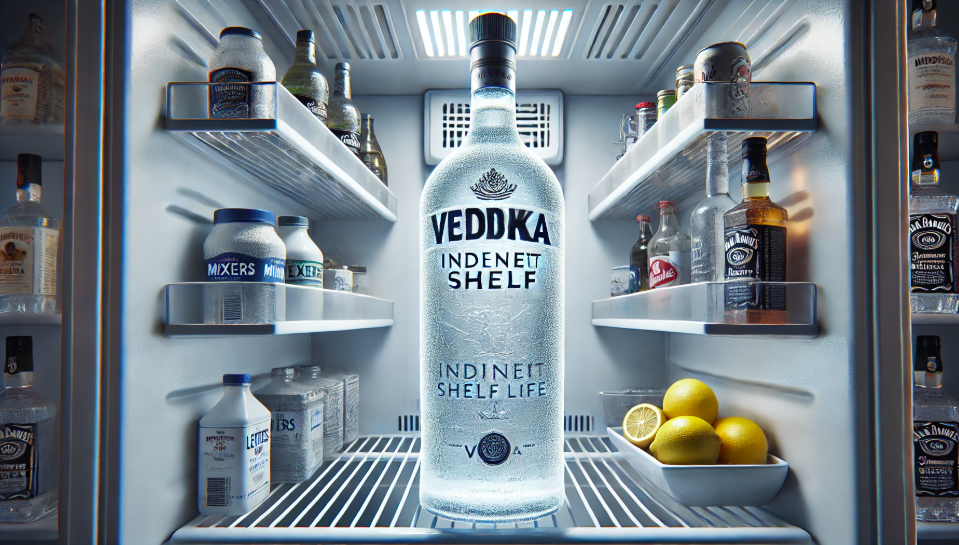
Vodka, thanks to its high alcohol content, has an impressively long shelf life, even when stored in the fridge. Generally, vodka is so well-preserved by its alcohol, which is typically around 40% by volume, that it doesn't require refrigeration. If you choose to keep it in the fridge, however, it essentially lasts indefinitely. The cool environment won’t harm the vodka and can keep it pleasantly chilled and ready for consumption. The quality of the vodka won’t degrade as it might for wine or beer; it remains stable and safe to drink over years. The key is to ensure that the vodka bottle is sealed tightly to prevent any contamination from external odors or flavors that might be present in the refrigerator.
How To Store Vodka Properly
Storing vodka properly helps maintain its quality and taste. Here are some simple tips based on expert advice:
- Keep it cool: Vodka should be stored in a cool place away from direct sunlight. Although it doesn't need to be refrigerated, keeping it in a cool, dark cupboard is ideal.
- Stay sealed: Make sure the vodka bottle is tightly sealed. This prevents the alcohol from evaporating and keeps the flavor intact.
- Away from heat sources: Avoid storing vodka near heat sources like stoves or radiators. Heat can cause the vodka to expand and contract, which might affect its quality.
- No freezing necessary: While some people like to store vodka in the freezer to keep it chilled, it's not necessary. Vodka has a high alcohol content, so it won’t freeze at the temperatures of a standard freezer.
Optimal Storage Conditions for Vodka
To keep your vodka in great condition, here are some easy-to-follow tips based on solid sources:
- Storage Location: Store your vodka in a cool, dark place away from direct sunlight and heat sources. This helps prevent changes in its flavor and qualitY
- Temperature: Vodka does not need to be refrigerated, but if you prefer it chilled, you can store it in the refrigerator. The key is to avoid extreme temperature changes
- Bottle Orientation and Seal: Always keep vodka bottles standing upright and make sure the seal is tight after each use. This helps prevent air exposure that can degrade the vodka over time
- Shelf Life: Unopened vodka can last indefinitely when stored correctly, maintaining its quality over years. Once opened, vodka can still last many years under good storage conditions. Flavored vodkas, however, should be consumed sooner, as they tend to have a shorter shelf life due to the added ingredients
How Refrigeration Affects Vodka Over Time
Refrigeration and proper storage can significantly affect the quality and shelf life of vodka over time. Vodka doesn't spoil or become unsafe to drink due to its high alcohol content, but its flavor and aroma can deteriorate if not stored correctly.
For unopened vodka, it's best to store it in a cool, dark place to prevent changes in its flavor. Once opened, the shelf life can vary; typically, it's suggested to consume vodka within a few years for the best taste, although it can last longer without spoiling. Refrigeration can help preserve the flavor of vodka once it's opened, especially for flavored vodkas, which can degrade faster due to their additional ingredients. Flavored vodkas should ideally be consumed within a few months up to two years after opening. Storing vodka in the freezer is a common practice for some, as it thickens the texture and mutes some flavors, making it more pleasant for those who prefer a less pronounced taste.
Air exposure is another critical factor; it can gradually alter the taste of vodka through oxidation. To minimize this effect, always ensure the bottle is tightly sealed after each use. While vodka stored at room temperature can also last indefinitely, fluctuations in temperature and direct sunlight should be avoided to preserve its quality.
Factors Influencing Vodka's Shelf Life in the Fridge
Vodka has a remarkably long shelf life, even when stored in a fridge. Here are some key factors that influence how long vodka retains its quality:
- Alcohol Content: Vodka is primarily preserved by its high alcohol content. Most vodkas have around 40% alcohol by volume (ABV), which is effective at inhibiting bacteria and spoilage. Higher proof vodkas (with more alcohol) generally last longer because alcohol acts as a natural preservative
- Usage of Flavored Vodka: Flavored vodkas, due to additives and sugars, typically have a shorter shelf life compared to unflavored vodka. These should ideally be consumed within a few months after opening to enjoy their best quality and taste.
Signs That Your Vodka Has Gone Bad
Vodka is known for its long shelf life and resistance to spoilage due to its high alcohol content. However, it can still deteriorate in quality over time, especially if not stored properly. Here are some simple signs to help you determine if your vodka has gone bad:
- Unpleasant Odor: Vodka should have a neutral scent. If you notice a strong, off-putting smell, such as a sour, musty, or chemical-like odor, it might indicate spoilage
- Cloudiness or Sediment: Pure vodka is clear. Any cloudiness or visible particles in the bottle can be signs of contamination or spoilage.
- Color Changes: Vodka is typically colorless. If you see any discoloration or a shift in hue, especially in unflavored vodka, it could be a sign of degradation.
- Taste Changes: While it might be harder to assess without tasting, if the vodka has a noticeably different flavor, such as a bitter, metallic, or generally off taste, it may be best to discard it.