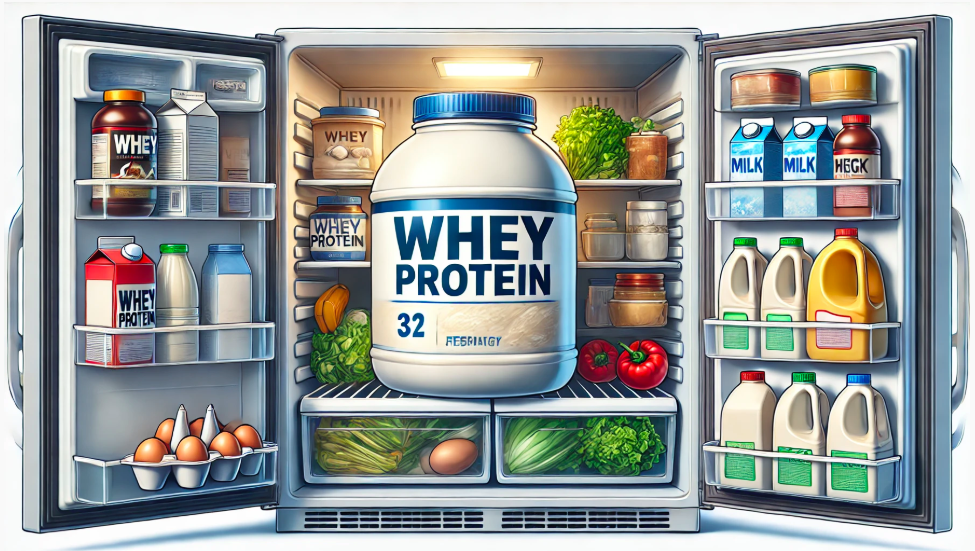
Whey, the liquid byproduct from cheese-making, can be stored in the refrigerator to maintain its freshness. When kept in an airtight container at temperatures below 40°F (4°C), unopened whey can last approximately 3 to 6 months. Once opened, it's best to use it within 1 to 2 weeks to ensure quality and safety. Proper storage helps preserve whey’s nutritional benefits and prevents spoilage.
Factors That Affect Whey Shelf Life In The Fridge
The shelf life of whey stored in the refrigerator is influenced by several key factors:
- Temperature: Maintaining a consistent cold environment is crucial. Whey should be stored at temperatures below 40°F (4°C) to preserve its freshness.
- Packaging: Using airtight containers or vacuum-sealed bags helps prevent exposure to air and moisture, which can lead to spoilage.
- Air and Light Exposure: Minimizing exposure to air and light reduces the risk of spoilage. Storing whey in opaque containers in a dark place is beneficial.
- Additives: Whey products containing preservatives tend to have a longer shelf life compared to those without.
Signs Your Whey Has Gone Bad
To determine if your whey protein powder has spoiled, look for the following signs:
- Unpleasant Smell: A sour or rancid odor indicates spoilage.
- Clumping or Discoloration: Presence of clumps, color changes, or moisture suggests the powder is no longer good.
- Off Taste: A bitter or unusual flavor means the protein powder has likely gone bad.
- Mold Presence: Visible mold is a clear sign of contamination and spoilage.
If you notice any of these signs, it's best to discard the protein powder to avoid potential health risks.
Proper Ways To Store Whey In The Fridge
To store whey properly in the refrigerator and maintain its freshness, follow these guidelines:
- Use Airtight Containers: Transfer the whey into clean, airtight glass containers. If the quantity is large, use multiple containers to avoid overfilling.
- Seal Tightly: Ensure each container is sealed tightly to prevent air from entering, which can lead to spoilage.
- Refrigerate Promptly: Place the sealed containers in the refrigerator immediately. Proper refrigeration helps maintain the whey’s quality.
- Monitor Shelf Life: Stored correctly, whey can last up to six months in the refrigerator. However, always check for signs of spoilage before use.
- Check for Spoilage: Before using stored whey, inspect it for any mold, off-smell, or unusual appearance. If any of these signs are present, discard the whey.
How To Extend The Shelf Life Of Whey
To maximize the shelf life of whey protein powder, follow these straightforward storage practices:
- Store in a Cool, Dry Place: Keep the powder in a location away from heat and moisture, such as a pantry or cupboard. Avoid areas near stoves or windows where temperature and humidity fluctuate.
- Use Airtight Containers: Ensure the container is sealed tightly after each use to prevent air and moisture from entering, which can lead to clumping and spoilage.
- Avoid Direct Sunlight: Store the container away from direct light, as exposure can degrade the quality of the protein powder over time.
- Maintain Clean Utensils: Always use clean, dry scoops or utensils when handling the powder to prevent introducing moisture or contaminants.
- Consider Smaller Quantities: Purchasing whey protein in smaller amounts can help ensure you use it before it loses its quality.
Differences Between Fresh And Stored Whey
Fresh whey and stored whey differ in several key aspects:
Nutritional Content:
- Fresh Whey:Contains a higher concentration of active enzymes and beneficial bacteria, which can aid digestion and provide additional health benefits.
- Stored Whey:Over time, especially if not stored properly, the activity of these enzymes and bacteria diminishes, potentially reducing its nutritional value.
Taste and Texture:
- Fresh Whey:Typically has a mild, slightly tangy flavor with a smooth, liquid consistency.
- Stored Whey:If exposed to air, light, or varying temperatures, it may develop off-flavors and a thicker consistency due to the growth of unwanted microorganisms.
Shelf Life:
- Fresh Whey:Should be consumed or properly stored shortly after production to maintain its quality.
- Stored Whey:When kept in airtight containers in the refrigerator, it can last up to six months. However, its quality may decline over time.
Storage Recommendations:
To preserve whey, store it in clean, airtight containers away from direct sunlight and at consistent, cool temperatures. This helps maintain its freshness and nutritional benefits.
Can You Freeze Whey For Longer Storage?
Yes, you can freeze whey to extend its shelf life. Freezing whey allows you to store it for 3 to 6 months, making it available for future use.
Steps to Freeze Whey:
- Choose the Right Container:Use airtight, freezer-safe containers or zip-lock freezer bags to prevent contamination and freezer burn.
- Portion Appropriately:Divide the whey into portions based on your future needs. For small amounts, pour whey into ice cube trays; once frozen, transfer the cubes to a freezer bag. For larger quantities, use freezer bags or containers, leaving about an inch of space at the top to allow for expansion.
- Label and Date:Clearly mark each container with the date of freezing to keep track of storage time.
- Freeze Properly:Place the containers flat in the freezer to ensure even freezing. Once frozen, you can store them upright to save space.
Thawing and Using Frozen Whey:
- Thawing:Transfer the desired amount of frozen whey to the refrigerator and let it thaw overnight. Avoid refreezing thawed whey, as this can affect its quality.
- Usage:Once thawed, whey can be used in various recipes, such as baking, cooking grains, or as a base for soups and smoothies.
Uses For Whey Before It Expires
Whey protein is a versatile ingredient that can be incorporated into various recipes to boost their protein content before it reaches its expiration date. Here are some practical ways to use whey protein:
- Smoothies and Shakes: Blend whey protein with fruits, vegetables, and liquids like milk or water to create nutritious beverages. This is a quick method to increase daily protein intake.
- Baking: Add whey protein to baked goods such as pancakes, muffins, and bread. This enhances the protein content without significantly altering the taste or texture.
- Oatmeal and Cereals: Mix a scoop of whey protein into oatmeal or breakfast cereals. This addition provides a protein-rich start to the day.
- Yogurt and Pudding: Stir whey protein into yogurt or pudding to create a high-protein snack or dessert.
- Homemade Protein Bars: Combine whey protein with nuts, seeds, and sweeteners like honey to make homemade protein bars. These are convenient for on-the-go nutrition.
- Soups and Sauces: Incorporate unflavored whey protein into soups and sauces to increase their protein content without affecting flavor.