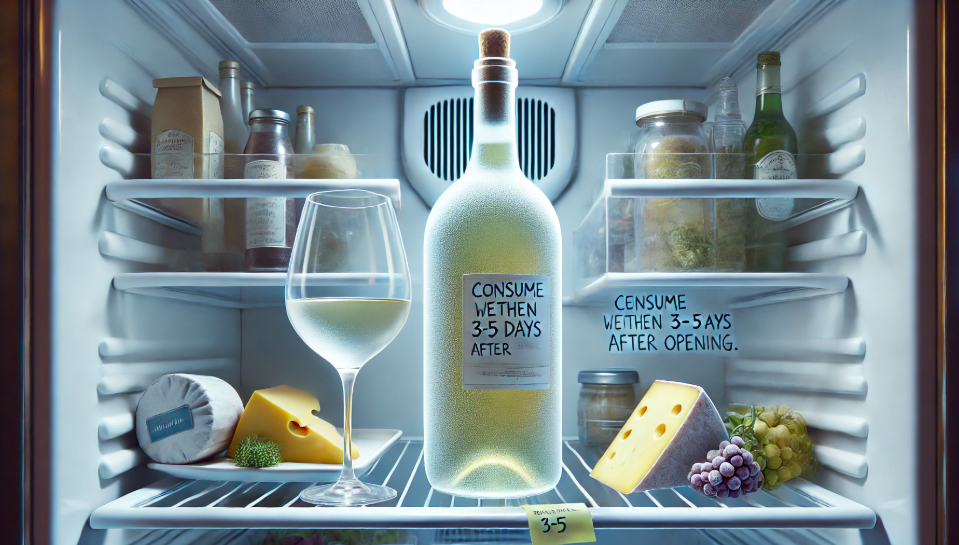
The shelf life of white wine in the fridge largely depends on whether the bottle is opened or unopened. An unopened bottle of white wine stored in the fridge can last up to 1-3 years past its expiration date, as the cool temperature helps slow down chemical reactions that cause spoilage. However, for an opened bottle, the timeline is much shorter.
Once opened, white wine typically lasts 3-5 days in the fridge, provided it is resealed tightly with a cork or a wine stopper. The longevity also depends on the type of white wine. Lighter white wines, such as Sauvignon Blanc or Pinot Grigio, may only last 3-4 days before they start to lose their freshness. In contrast, richer, full-bodied whites like Chardonnay can hold up a little longer, sometimes up to 5 days.
To maintain the quality of opened white wine, storing it upright helps reduce exposure to air, and keeping it at a consistent temperature is crucial. If the wine begins to show signs like a sour smell, a change in taste, or a cloudy appearance, it’s best to discard it. Proper storage practices can significantly prolong the wine's drinkable state, allowing you to enjoy its full flavor for as long as possible.
Ideal Storage Conditions for White Wine
Proper storage is essential to maintain the quality and flavor of white wine. Here are the ideal storage conditions:
- Temperature: Store white wine between 45°F and 55°F (7°C to 13°C). This range helps preserve its freshness and taste.
- Humidity: Maintain a humidity level between 50% and 70% to keep the cork moist, preventing it from drying out and allowing air to enter the bottle.
- Light: Keep white wine away from direct sunlight and strong artificial light, as exposure can degrade its flavor and aroma.
- Vibration: Store wine in a stable environment without vibrations, which can disturb its aging process.
How Long Can Opened White Wine Last in the Fridge?
Once opened, white wine typically remains fresh in the refrigerator for up to three days. This duration can vary based on factors like the wine's acidity and sugar content, which can help preserve it slightly longer. To maintain its quality, reseal the bottle tightly and store it upright to minimize air exposure. If the wine develops off-putting smells or tastes, such as a vinegar-like aroma, it's best to discard it.
Tips to Prolong the Life of White Wine in the Fridge
Here are tips to prolong the life of white wine in the fridge:
1. Seal the Bottle Tightly: Use the original cork or a wine stopper to close the bottle. This reduces air exposure, which helps prevent spoilage.
2. Refrigerate Promptly: Always refrigerate white wine immediately after opening. Cold temperatures slow down chemical reactions that degrade the wine.
3. Use Wine Preservers: Tools like vacuum pumps or inert gas sprays can remove or displace oxygen, keeping the wine fresh for longer.
4. Store Upright: Keeping the bottle upright reduces the surface area of wine exposed to air, preserving its quality.
5. Avoid Light and Vibration: Store white wine in a place without bright light or excessive movement, as these can damage the flavor and aroma.
Factors That Affect the Shelf Life of White Wine
The shelf life of white wine is influenced by several key factors:
1. Type of White Wine: Different white wines have varying shelf lives. For example, light and crisp varieties like Sauvignon Blanc and Pinot Grigio tend to have shorter shelf lives compared to fuller-bodied wines like Chardonnay.
2. Storage Conditions: Proper storage is crucial. White wine should be kept in a cool, dark place with a stable temperature and humidity level. Exposure to light, heat, and temperature fluctuations can cause the wine to spoil or age prematurely.
3. Presence of Preservatives: Some white wines contain preservatives like sulfites, which can extend their shelf life by inhibiting microbial activity. However, the effectiveness of these preservatives can vary.
Signs That White Wine Has Gone Bad
To determine if white wine has spoiled, consider the following signs:
1. Appearance: Pour a small amount into a clear glass. Fresh white wine should be clear and bright. Cloudiness, sediment, or unusual color changes may indicate spoilage.
2. Aroma: Swirl the wine gently and sniff. A fresh white wine has a pleasant aroma. Unpleasant smells like vinegar, wet cardboard, or mustiness suggest the wine has turned.
3. Taste: Take a small sip. Good white wine offers balanced flavors, such as citrus or floral notes. If it tastes overly sour, bitter, or has an unpleasant aftertaste, it's likely spoiled.
4. Texture: White wine should feel smooth. Unexpected fizziness or a thick, syrupy consistency can indicate spoilage.