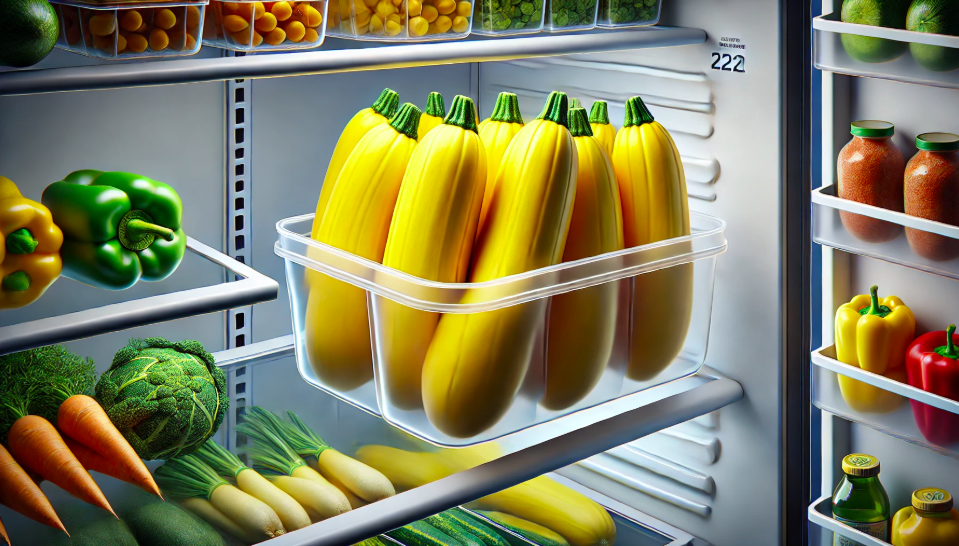
Yellow squash typically lasts about 4 to 7 days in the fridge when stored properly. To keep it fresh, store it in a plastic bag or container in the vegetable drawer of your fridge. If the squash starts to soften, get wrinkled, or shows signs of mold, it's best to discard it.
Factors Affecting the Shelf Life of Yellow Squash
Here’s information about the factors affecting the shelf life of yellow squash based on well-established sources:
- Temperature Yellow squash is sensitive to temperature. If stored in a cool environment (between 50°F and 55°F), it can last longer. Storing it at room temperature or higher can cause it to spoil more quickly.
- Humidity High humidity helps maintain the freshness of yellow squash. It prevents the squash from drying out. However, too much moisture can cause mold growth, so a balance is necessary. Keeping squash in a slightly moist environment is ideal.
- Storage Conditions Storing yellow squash in a well-ventilated area or container is important to prevent moisture buildup, which can lead to decay. It is often recommended to store squash in the crisper drawer of the refrigerator, but not in plastic bags, as these trap moisture.
- Ripeness at Harvest Squash that is harvested at its peak ripeness will have a longer shelf life than squash that is overripe. If the squash is too mature when picked, it may spoil faster.
- Physical Damage If yellow squash is bruised or has cuts, it will spoil faster. Damaged areas allow bacteria and mold to enter, which shorten the shelf life.
- Ethylene Gas Yellow squash is sensitive to ethylene gas, which is produced by some fruits, like apples, bananas, and tomatoes. Exposure to this gas can cause squash to ripen and spoil more quickly. It’s best to keep squash away from these fruits.
- Variety of Squash Some varieties of yellow squash may last longer than others due to differences in skin thickness or water content. Squash with thicker skins may have a longer shelf life.
How to Properly Store Yellow Squash in the Fridge
To properly store yellow squash in the fridge, follow these steps:
- Do Not Wash Before Storing: It's best to avoid washing the squash before storing it. Excess moisture can cause the squash to spoil faster.
- Place in a Produce Drawer: Store the squash in the fridge's produce drawer, where the temperature is ideal for fresh vegetables.
- Use a Paper Towel: If the squash is slightly damp, you can wrap it in a paper towel to absorb any moisture. This helps to keep it fresh for a longer time.
- Store in a Ventilated Bag: If you prefer, you can place the squash in a perforated plastic bag or a bag with holes. This will allow air circulation and prevent it from getting too moist.
- Keep It Whole: Whole yellow squash lasts longer in the fridge than if it’s already cut. Only cut it if you’re planning to use it soon, as cut squash can spoil faster.
- Check for Soft Spots: Before storing, check the squash for any soft spots or damage. If you find any, remove the damaged part before storing it.
- Storage Time: Yellow squash usually stays fresh in the fridge for about 4 to 7 days.
Signs That Your Yellow Squash Has Gone Bad
Here are some signs that your yellow squash has gone bad:
- Soft or Mushy Texture If the squash feels very soft or mushy when you touch it, it's a sign that it has started to spoil. Fresh yellow squash should feel firm.
- Discoloration Yellow squash should have a bright, vibrant yellow color. If you notice dark spots, brown patches, or faded coloring, this means it's beginning to rot.
- Wrinkling or Shriveling If the skin of the squash appears wrinkled, shriveled, or looks like it's drying out, the squash is no longer fresh.
- Unpleasant Smell Fresh yellow squash has a mild, neutral smell. If it smells sour, musty, or like decay, it’s a sign that it has gone bad.
- Mold Any visible mold on the skin or flesh of the squash is a clear indication that it is no longer safe to eat. Mold can appear as fuzzy spots in various colors, including white, green, or black.
- Soft Spots or Leaks If there are soft spots or liquid leaking out of the squash, it is spoiled and should be discarded.
- Overly Large Seeds If the seeds inside the squash have grown too large, it might indicate that the squash has over-ripened and is no longer fresh.
Can You Freeze Yellow Squash for Longer Storage?
Yes, you can freeze yellow squash for longer storage. Freezing helps preserve its freshness, but it's important to prepare it properly before freezing.
Here’s a step-by-step guide to freezing yellow squash:
- Wash and Peel: First, wash the squash well under cold water. You can peel it if you prefer, but it’s not necessary.
- Slice or Chop: Cut the squash into slices or chunks, depending on how you plan to use it later. Smaller pieces freeze more evenly.
- Blanch: To help maintain the flavor, texture, and color, blanch the squash before freezing. To do this, bring a pot of water to a boil, and then drop the squash pieces in for about 2-3 minutes. After blanching, quickly transfer the squash to a bowl of ice water to stop the cooking process.
- Dry and Pack: Once cooled, pat the squash dry with a paper towel. Then, place the pieces on a baking sheet in a single layer and freeze them for about 1-2 hours. This process is called "flash freezing" and helps keep the pieces from sticking together. After freezing, transfer the squash into freezer-safe bags or containers. Be sure to remove as much air as possible to prevent freezer burn.
- Label and Store: Don’t forget to label the bags or containers with the date. Frozen squash can be stored in the freezer for up to 10-12 months.
When you're ready to use the squash, you can cook it straight from the freezer, or thaw it in the refrigerator.
Tips to Extend the Freshness of Yellow Squash in the Fridge
Here are some simple and practical tips to extend the freshness of yellow squash in the fridge:
- Keep It Dry: Moisture can cause squash to spoil faster. Before storing, make sure the squash is dry. If it's wet, use a paper towel to pat it dry.
- Use a Ventilated Bag: Store yellow squash in a perforated plastic bag, which allows air to circulate. This helps reduce moisture build-up and prevents the squash from getting soft.
- Don’t Cut Until Ready to Use: It's best to leave the squash whole until you are ready to use it. Once cut, the squash will spoil faster.
- Store in the Crisper Drawer: The crisper drawer in your fridge is designed to maintain the right humidity level for fruits and vegetables. Store the squash there for optimal freshness.
- Avoid Storing with Ethylene-Producers: Some fruits, like apples and bananas, release a gas called ethylene that can make vegetables like squash ripen and spoil more quickly. Keep yellow squash away from these fruits.
- Check Regularly: Look over the squash every few days. Remove any pieces that are starting to go bad to prevent them from affecting the others.
- Wrap in Paper Towel: If you're storing squash for a longer period, wrapping it in a paper towel before placing it in a bag can help absorb excess moisture and prolong freshness.