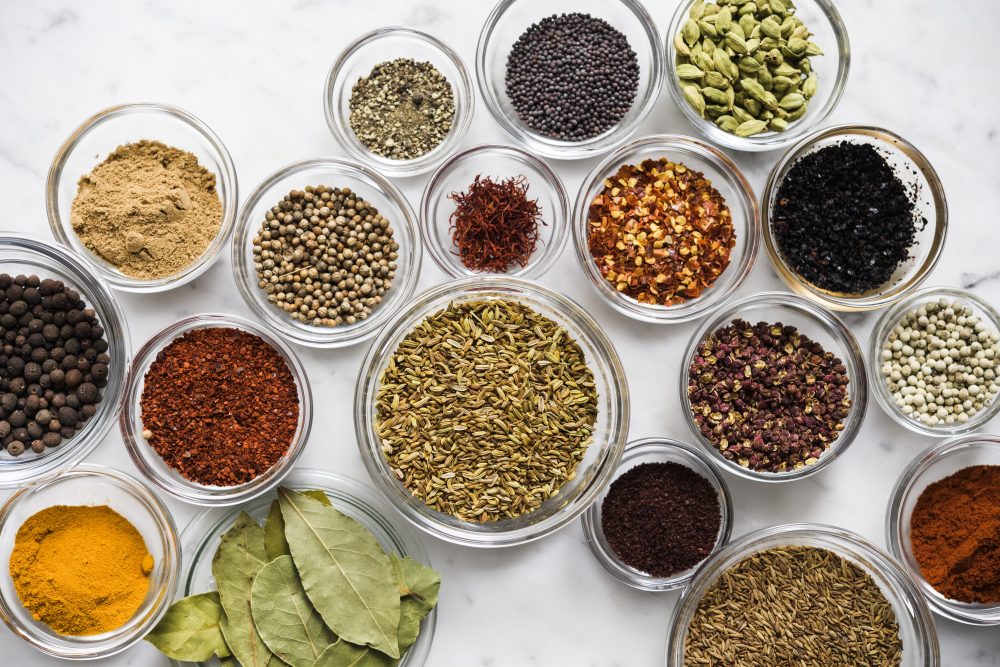
Making your own spice blends opens up a world of flavor and control in your kitchen. With a few simple ingredients, you can create unique, fresh, and customized seasoning mixes for your favorite dishes.
By crafting blends yourself, you’re not only saving money but also skipping additives commonly found in store-bought mixes, such as excess salt and preservatives.
Freshness, quality, and a personal touch are at the core of homemade blends, enhancing every meal.
Why Make Your Own Spice Blends?
Homemade spice blends offer a variety of benefits that elevate the flavor and health profile of your dishes. When you prepare these blends yourself, you can be assured of consistency across recipes.
A well-crafted blend ensures each meal you prepare has the same balanced flavors, providing a reliable base for your dishes.
One of the most significant advantages of homemade spice blends is the control you have over ingredients. This means you can adjust the level of salt, omit preservatives, and even tailor the flavors to suit your dietary needs or preferences.
Additionally, freshly ground spices are often far more aromatic and flavorful than pre-packaged options that may have been on shelves for months.
There’s also something deeply satisfying about opening a jar of your own spice mix, knowing exactly what’s inside. With every batch, you have the opportunity to experiment and explore new flavor combinations, adding variety and creativity to your cooking.
Essential Tips For Creating Spice Blends
Quality Ingredients Matter
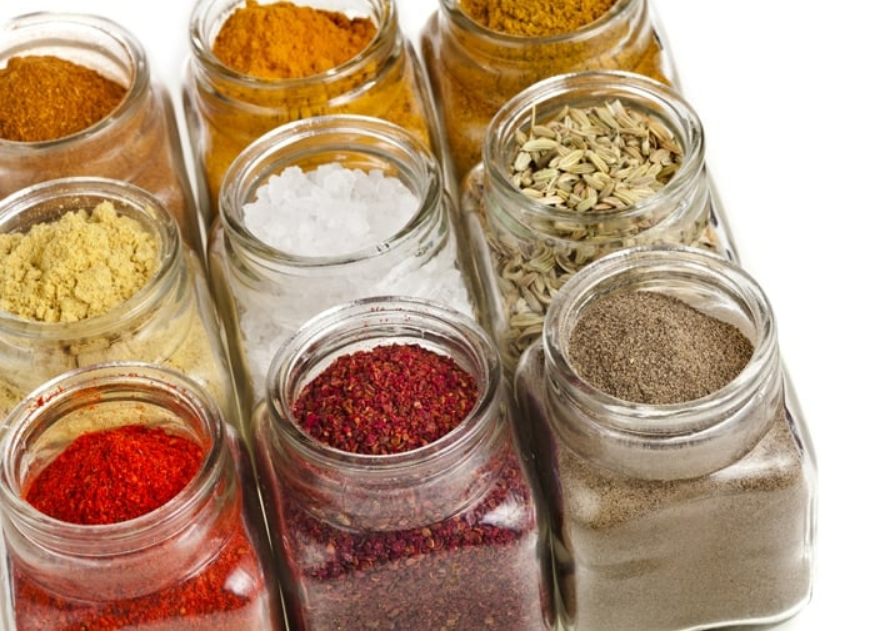
The quality of your ingredients significantly impacts the final flavor of your spice blends. Whenever possible, choose whole spices over pre-ground versions.
Whole spices retain their essential oils and aromatic properties better than ground spices, offering a more intense flavor.
For the freshest blends, use a spice or coffee grinder to grind small batches as needed.
You can find bulk spices in many larger grocery stores, allowing you to purchase only what you need.
As a general rule, remember that one part whole spice yields about 1 ¼ to 1 ½ parts ground spice. This slight variation in measurements won’t affect the overall flavor but does ensure you achieve the best texture and potency.
Balance Ratios And Flavor Profiles
Understanding the balance between different flavors can help you create harmonious spice blends. Spices are often categorized into flavor profiles:
- Earthy: Cumin, coriander, paprika.
- Sweet: Cinnamon, cloves, nutmeg.
- Spicy: Cayenne, black pepper, chili powder.
For balanced blends, choose a dominant flavor and then add supporting spices in smaller quantities. This approach helps in creating versatile mixes that can be adjusted to taste.
For example, cumin might be a primary ingredient in taco seasoning, with a touch of cayenne or paprika added to introduce a hint of heat.
Storage And Freshness
Proper storage is essential for maintaining the potency of your spice blends. Use clean, airtight glass jars to keep out moisture and prevent the spices from absorbing other odors.
Store these jars in a cool, dark place, as light and heat can quickly degrade the spices’ flavors. Label each jar with the date it was made, and aim to refresh your spice blends every 5-6 months. This ensures that your spices stay vibrant and flavorful over time.
See Also: How To Season Food Without Salt? 15 Flavorful Techniques
Tools For Making Spice Blends
Creating homemade spice blends doesn’t require a lot of equipment, but a few key tools can make the process smoother and more enjoyable. Here are some recommended items:
- Spice Grinder or Mortar and Pestle: A spice grinder or coffee grinder is ideal for grinding whole spices quickly and efficiently, producing a fine and consistent texture. Alternatively, a mortar and pestle can be used for a more rustic grind and to release deeper flavors through manual grinding.
- Funnels and Jars: A small funnel is invaluable for transferring ground spices into jars without spills. Opt for glass jars with tight-fitting lids to keep your spices fresh. Glass is preferable to plastic, as it prevents the absorption of odors and maintains the purity of your blends.
- Labels and Date Markers: Label each jar with the name of the spice blend and the date it was made. This helps track freshness, so you know when it’s time to create a new batch.
Safety Tips
When working with potent ingredients, such as ground hot peppers, it’s wise to take precautions. A simple mask, like those used during the pandemic, can prevent you from inhaling strong, spicy aromas that may irritate your respiratory system.
Avoid touching your face while working with spices, especially if you’re handling spicy ingredients.
Common Ingredients In Spice Blends
Many homemade spice blends begin with a few foundational ingredients. Here’s a list of some of the most versatile and commonly used spices:
- Cumin: This earthy spice is a staple in Mexican, Middle Eastern, and Indian cuisine. It adds warmth and depth to dishes and is often used in taco seasoning and curry powders.
- Paprika: Available in sweet, hot, or smoked varieties, paprika provides color and mild flavor. Smoked paprika, in particular, adds a rich, smoky flavor perfect for BBQ rubs and marinades.
- Coriander: With a citrusy, slightly sweet profile, coriander is popular in Mediterranean and Middle Eastern cooking.
- Garlic Powder and Onion Powder: These essential seasonings provide savory depth without the moisture of fresh garlic or onion. They’re staples in most all-purpose and BBQ rubs.
- Dried Herbs: Common dried herbs like oregano, basil, thyme, and rosemary are foundational in Italian and Mediterranean spice blends.
Whole Vs. Ground Spices
Whenever possible, purchase whole spices and grind them fresh. This preserves their essential oils and potency. However, some spices, like garlic and onion powder, are best used pre-ground. Herbs are generally dried leaves and don’t require grinding, making them easy additions to most blends.
Beginner’s Guide To Spice Blends
If you’re new to making spice blends, start with a few easy recipes to build confidence and experiment with flavors. Here are two simple blends that use basic pantry ingredients and are easy to customize.
1. All-Purpose Seasoning
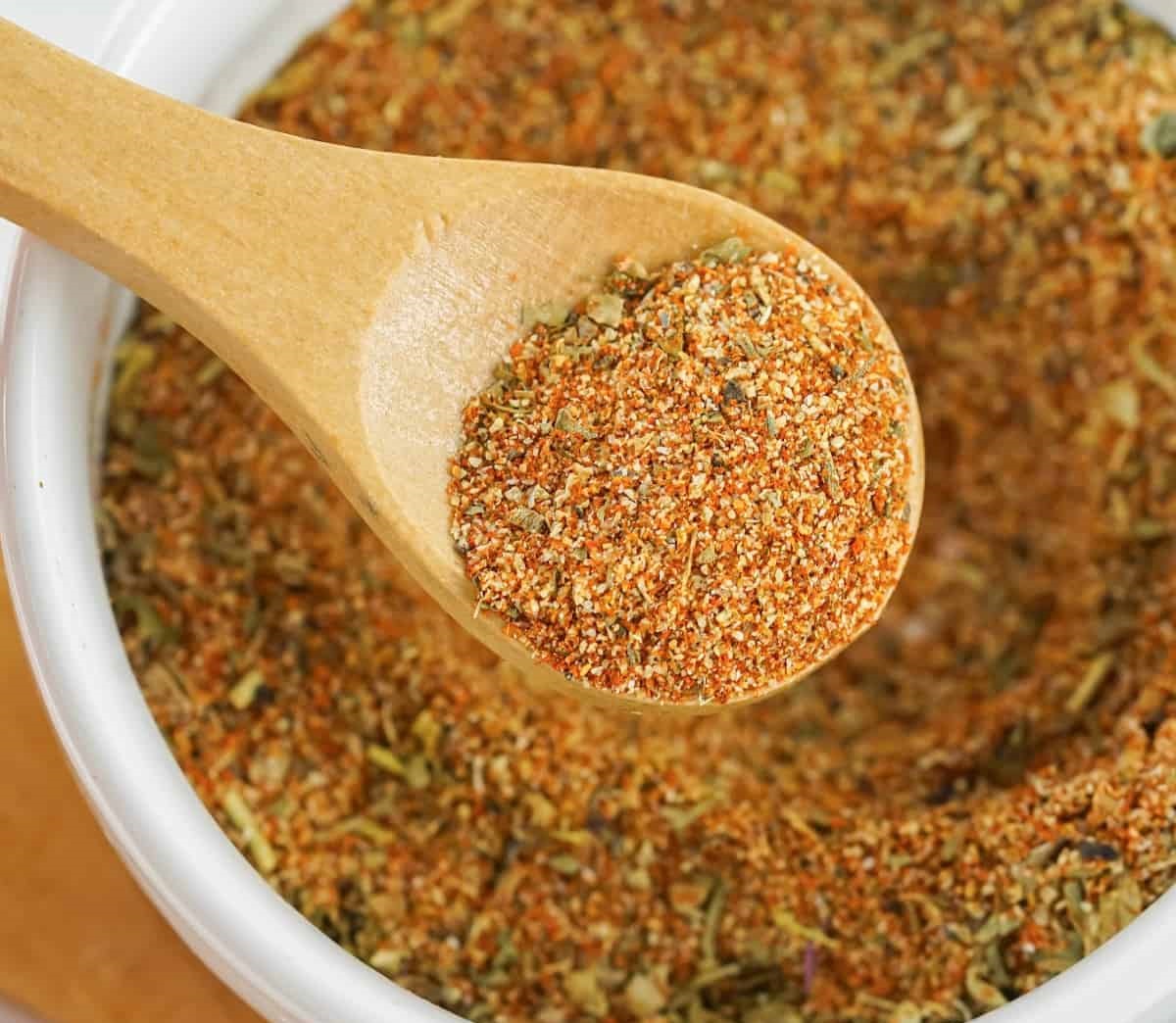
A versatile seasoning, perfect for adding flavor to roasted vegetables, meats, and even soups.
- Ingredients: 1 tbsp garlic powder, 1 tbsp onion powder, 1 tbsp paprika, 1 tsp dried thyme, 1 tsp dried basil, 1 tsp black pepper, and 1 tsp salt.
- Instructions: Mix all ingredients together and store in an airtight container. Use as a general-purpose seasoning.
2. Italian Seasoning
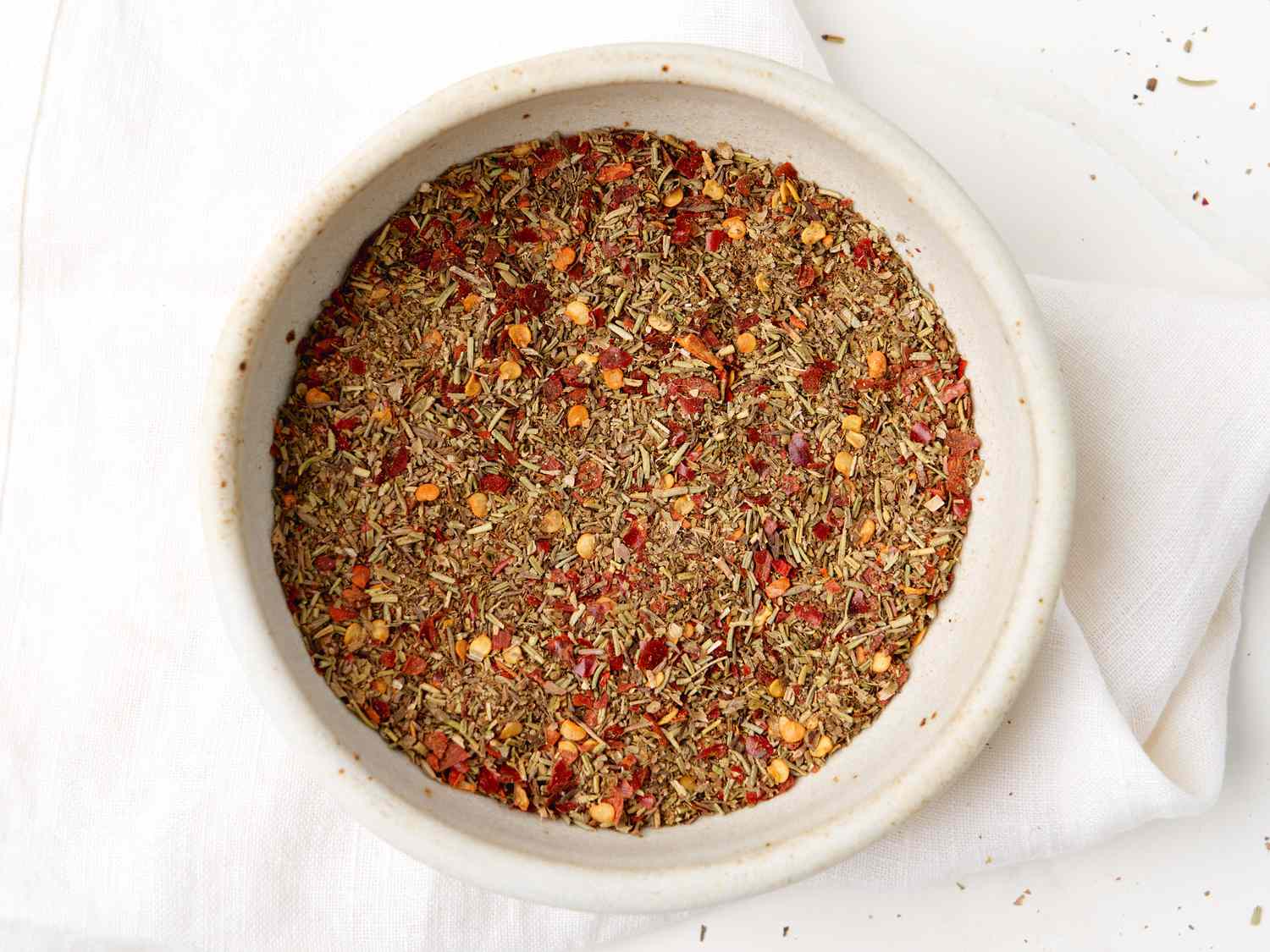
Great for pasta sauces, soups, and marinades, this blend brings a classic Italian flavor to your dishes.
- Ingredients: 1 tbsp dried basil, 1 tbsp dried oregano, 1 tsp dried rosemary, 1 tsp dried thyme, and ½ tsp dried sage.
- Instructions: Combine all ingredients and store. This blend pairs well with olive oil for a quick salad dressing or bread dip.
3. Taco Seasoning
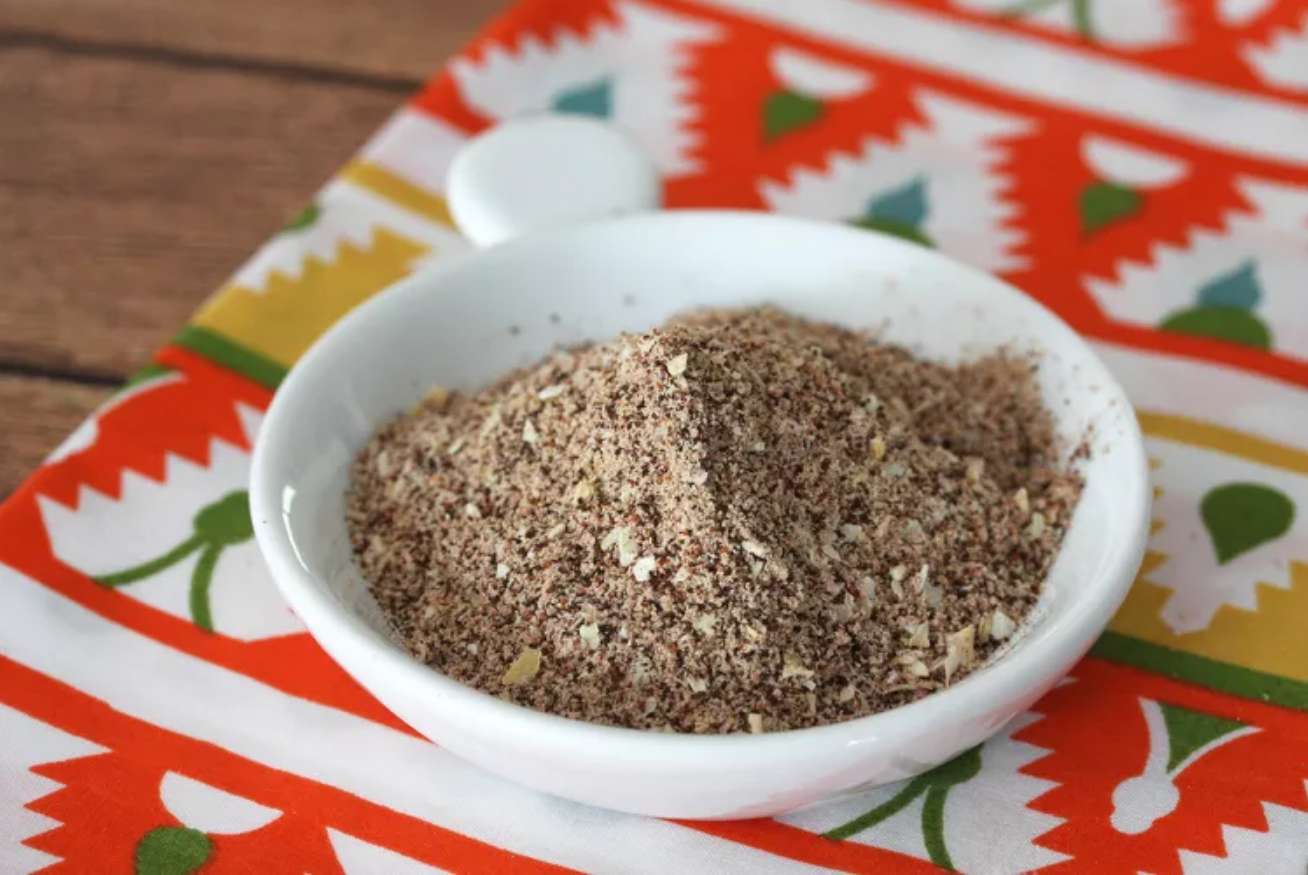
Ideal for tacos, burritos, and other Mexican-inspired dishes.
- Ingredients: 3 tbsp chili powder, 4 tsp cumin, 1 ½ tsp paprika, 1 tsp garlic powder, 1 tsp onion powder, ¼ tsp ground black pepper.
- Instructions: Mix all ingredients, and use 2-3 tablespoons per pound of meat. Adjust for spice preference.
4. Poultry Seasoning
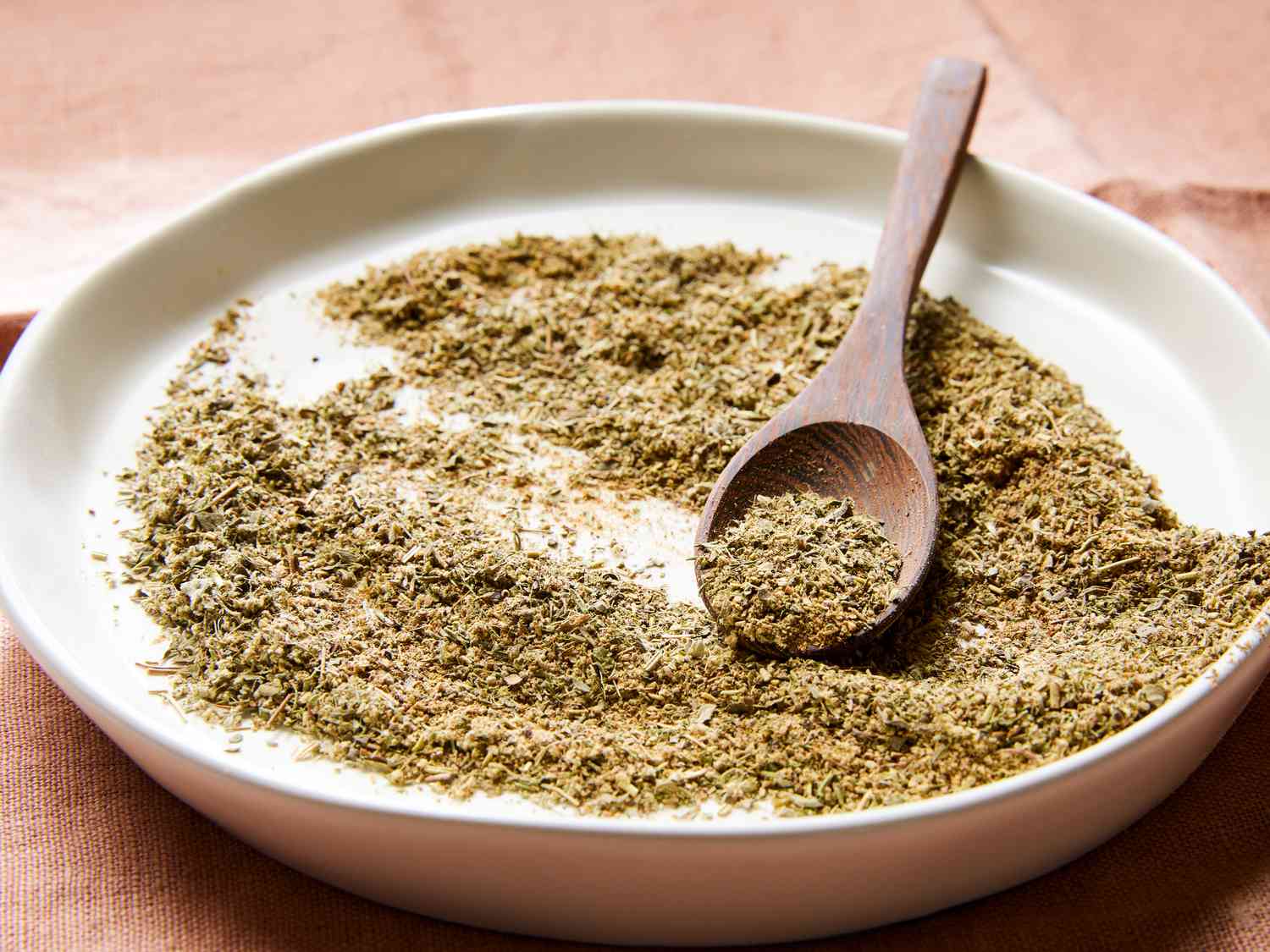
Great for Thanksgiving turkey, chicken casseroles, or roasted chicken.
- Ingredients: 2 tbsp dried thyme, 4 tsp ground sage, 1 tsp marjoram, 2 tsp dried rosemary, 1 tsp dried parsley, 1 tsp ground black pepper, ¼ tsp ground nutmeg.
- Instructions: Combine all ingredients in a bowl, and store in a glass jar.
5. BBQ Dry Rub
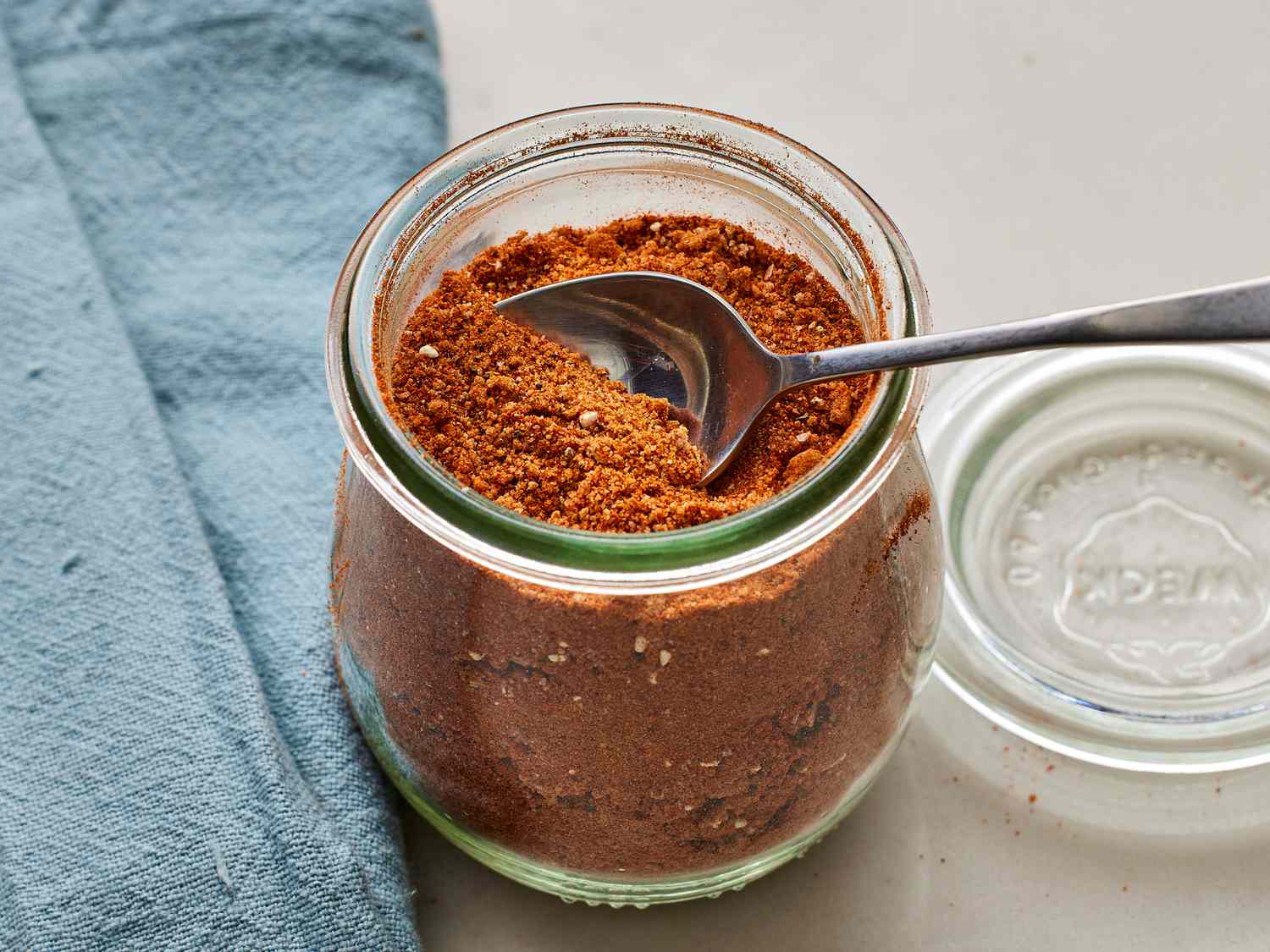
A robust blend for ribs, brisket, or pork chops.
- Ingredients: ⅓ cup paprika, ¼ cup brown sugar, 2 tbsp black pepper, 2 tbsp salt, 2 tsp dry mustard, 1 tsp white pepper, ½ tsp cayenne pepper.
- Instructions: Mix all ingredients thoroughly, and store in an airtight container. Use generously for meats going on the grill.
Related: What Are The Best Recipes For Perfecting Tennessee BBQ?
6. Curry Powder (Thai Or Indian Style)
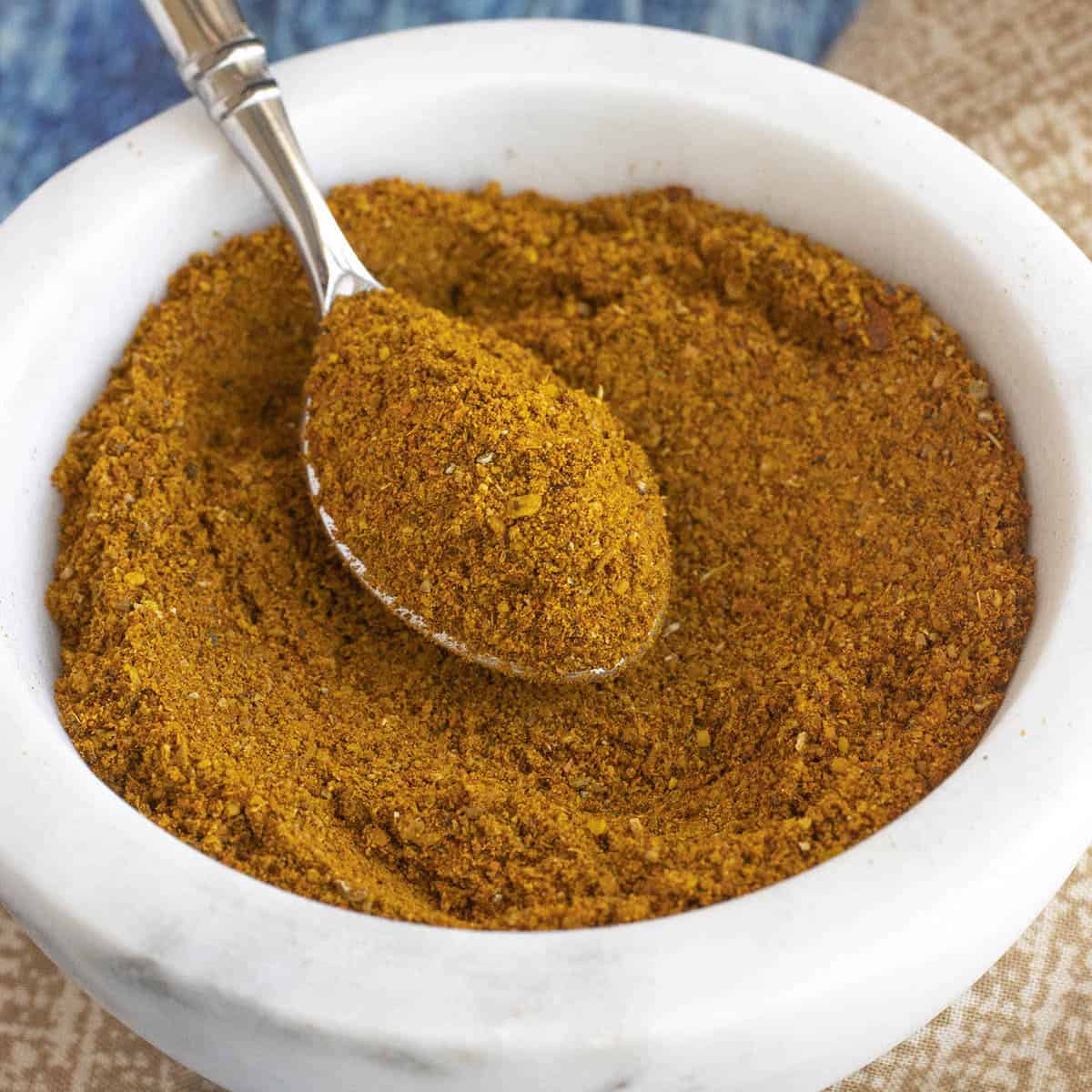
A versatile blend for curries, soups, and marinades.
- Ingredients: 1 tbsp turmeric, 3 tbsp coriander, 2 tbsp cumin, 2 tsp ginger, 1 tsp white pepper, 1-3 tsp chili flakes.
- Instructions: Mix all ingredients together and store in an airtight container.
7. Garam Masala
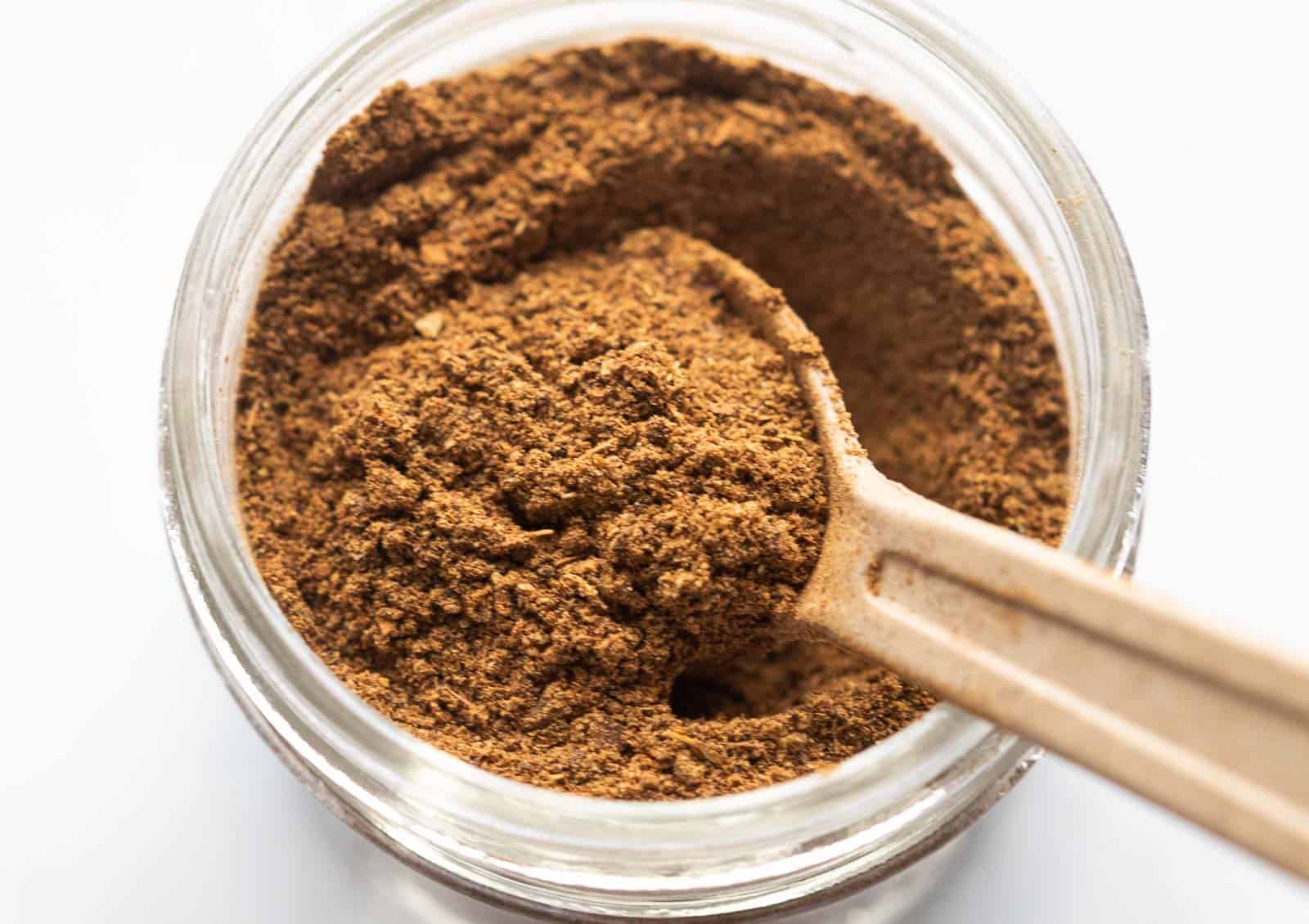
A warm and complex Indian blend that’s often added toward the end of cooking.
- Ingredients: 1 tbsp cumin, 1 tbsp coriander, 1 tbsp cardamom, 1 tsp cinnamon, 1 tsp cloves, 1 tsp black pepper.
- Instructions: Toast spices lightly in a pan before grinding. Store in an airtight container and use sparingly for curries or stews.
8. Jamaican Jerk Seasoning
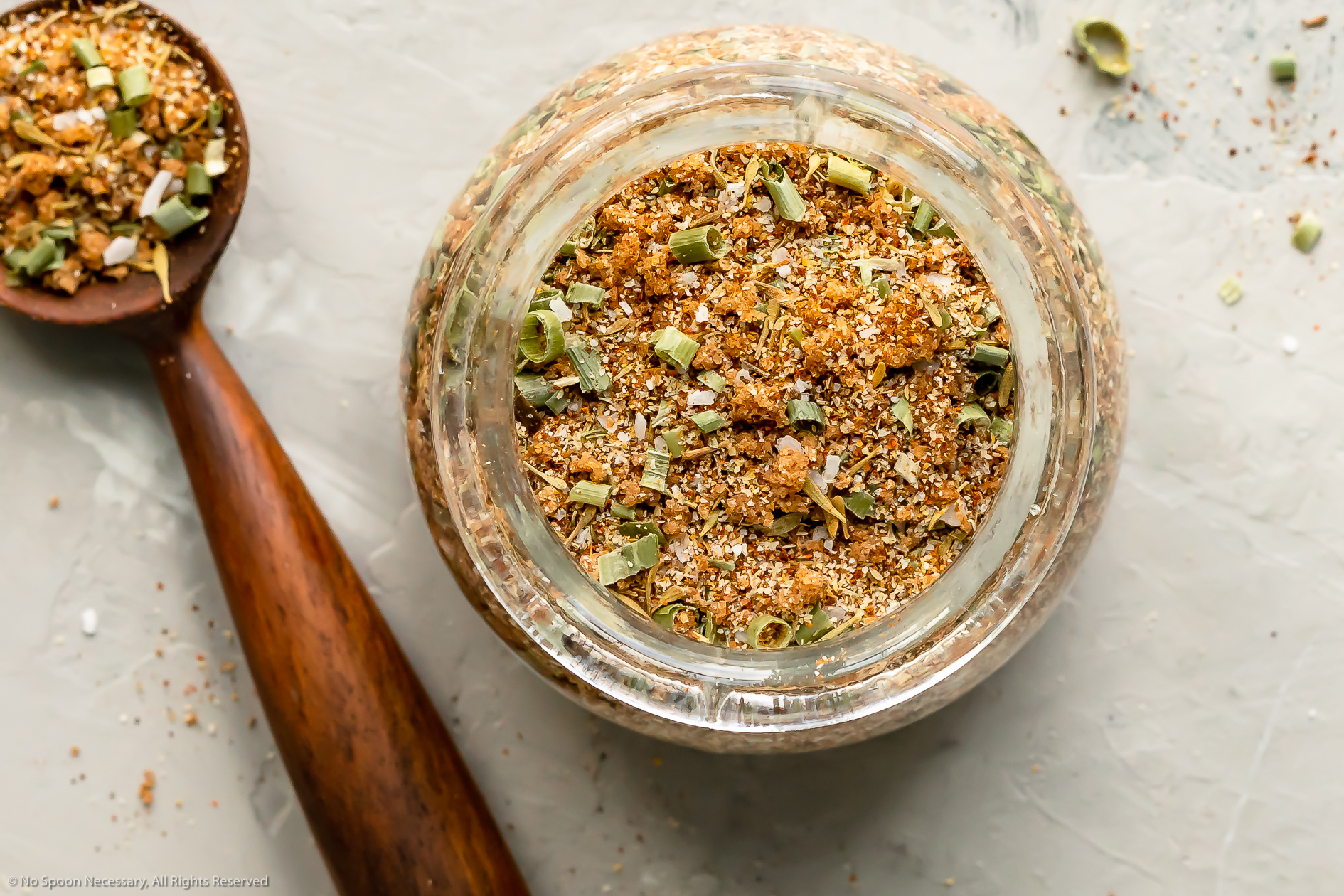
Bring the vibrant, spicy flavors of the Caribbean to your kitchen with this jerk seasoning. Perfect for chicken, shrimp, or even tofu.
- Ingredients: 1 tbsp thyme, 1 tbsp allspice, 1 tbsp paprika, 2 tsp cayenne pepper, 1 tsp garlic powder, 1 tsp onion powder, 1 tsp cinnamon, ½ tsp nutmeg.
- Instructions: Mix all ingredients and store in an airtight container. Use as a dry rub for grilling or roasting meats.
9. Adobo Seasoning
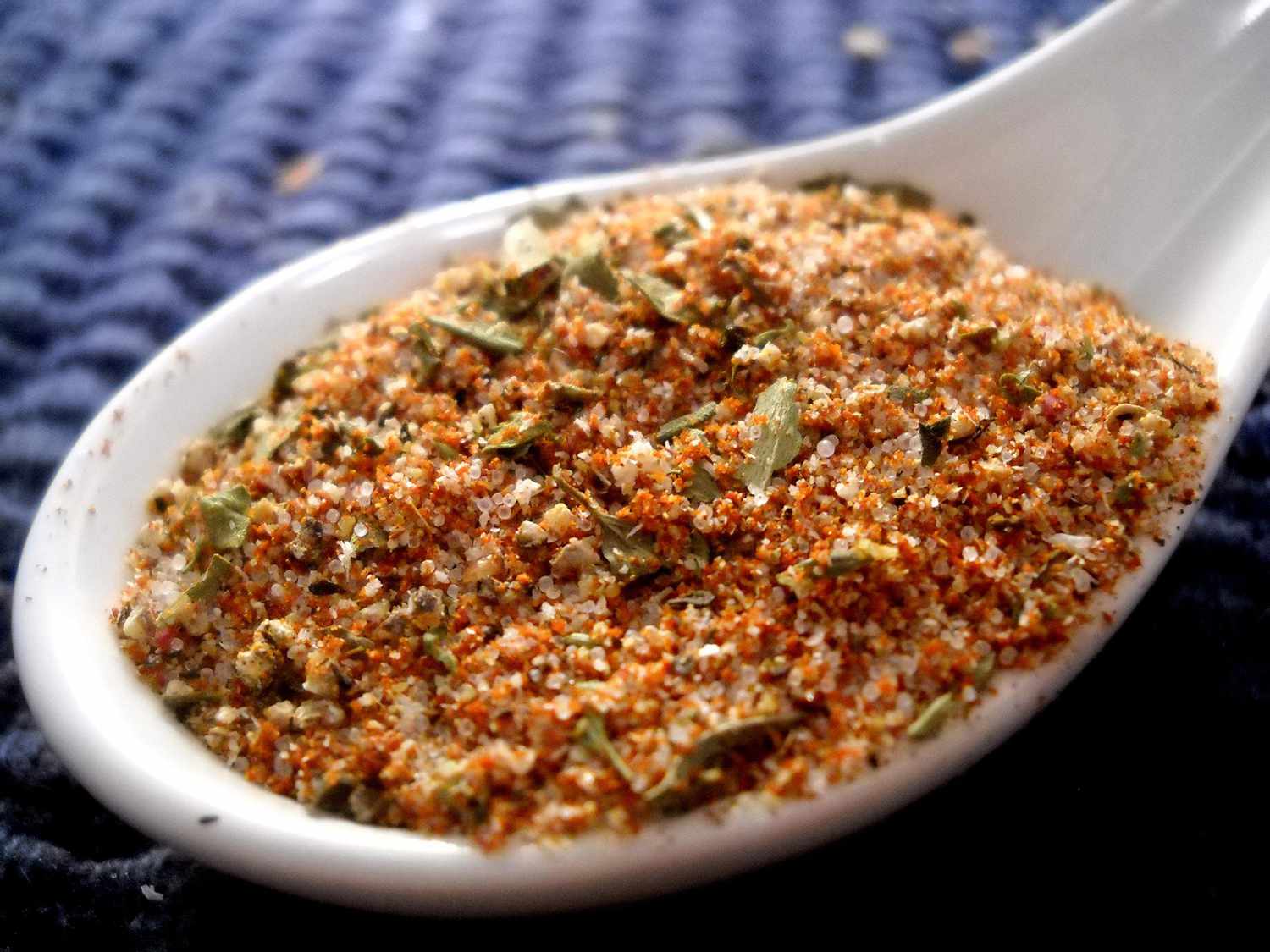
A staple in Latin American and Caribbean cuisine, adobo seasoning is perfect for meats, soups, and stews.
- Ingredients: 2 tbsp garlic powder, 2 tbsp onion powder, 1 tbsp oregano, 1 tbsp cumin, 1 tbsp black pepper, 1 tsp turmeric, 1 tsp paprika.
- Instructions: Combine all ingredients, and store in a glass jar. Use as an all-purpose seasoning for soups, meats, and marinades.
10. Everything Bagel Seasoning
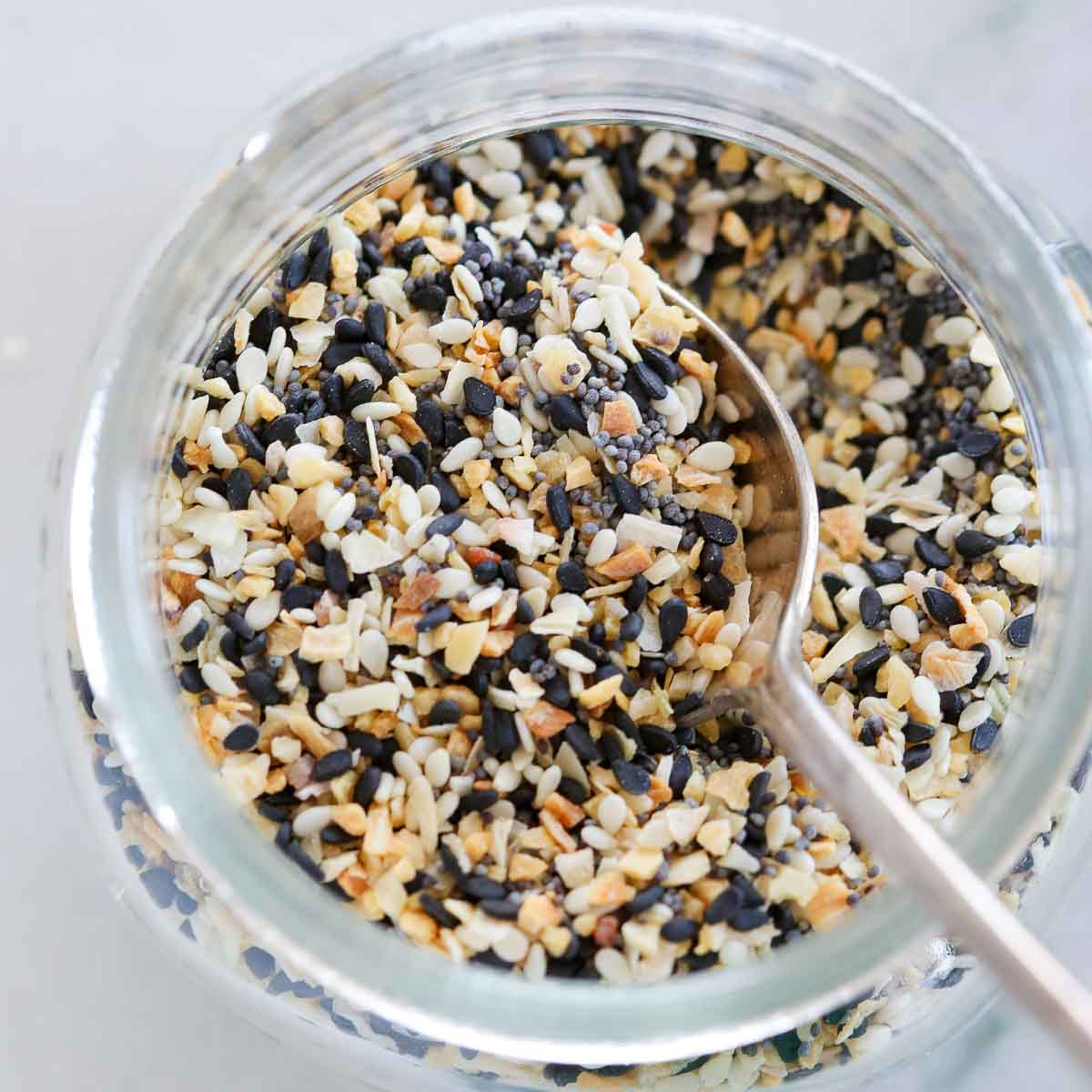
This versatile seasoning isn’t just for bagels! Try it on roasted veggies, avocado toast, or even as a salad topping.
- Ingredients: 2 tbsp poppy seeds, 2 tbsp sesame seeds, 1 tbsp dried minced garlic, 1 tbsp dried minced onion, 1 tbsp sea salt flakes.
- Instructions: Mix thoroughly and store in an airtight container. Use generously on any dish that could use a savory, crunchy finish.
11. Old Bay Seasoning
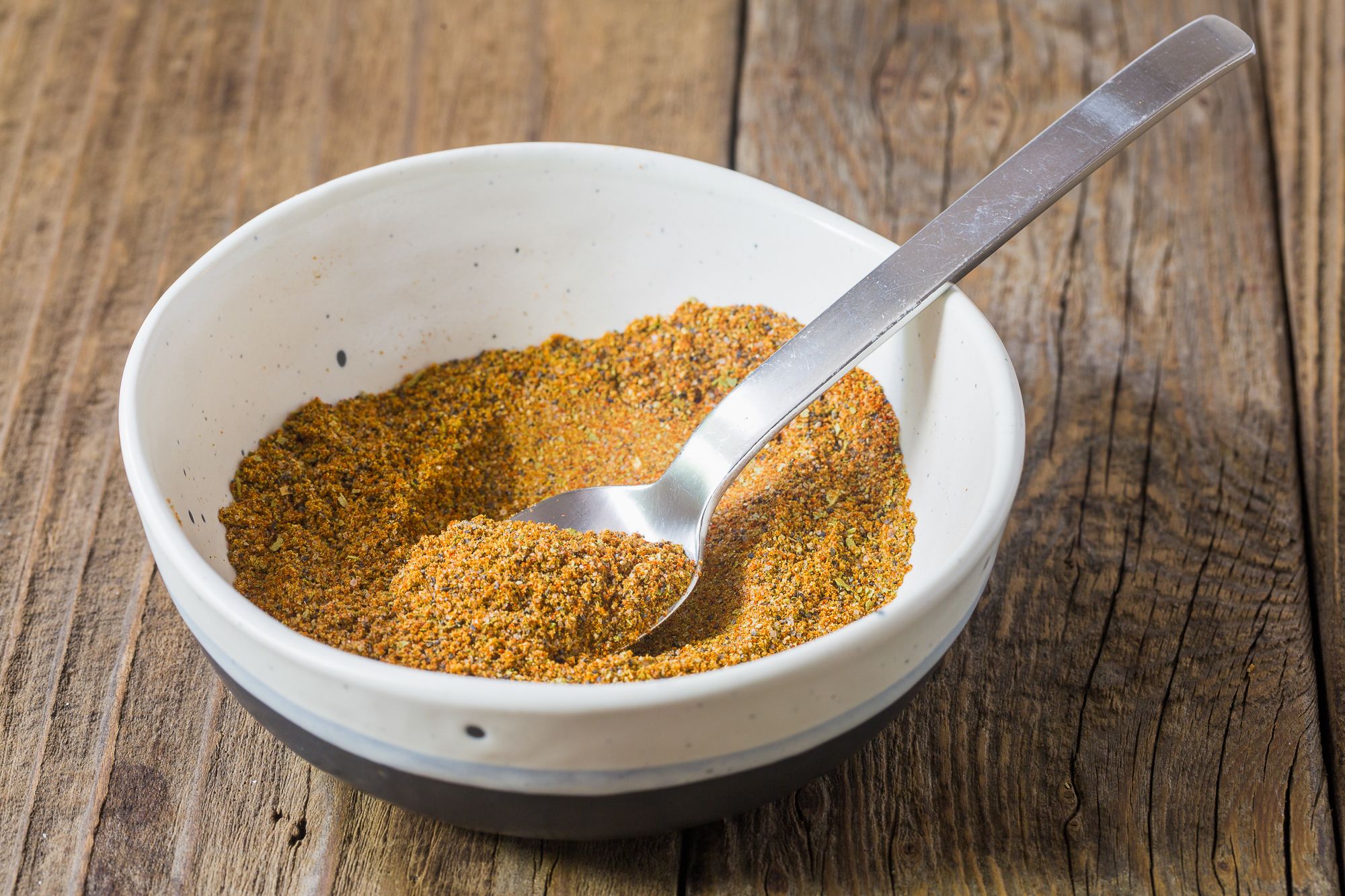
This classic blend is traditionally used for seafood but also pairs well with chicken, fries, and roasted potatoes.
- Ingredients: 1 tbsp celery salt, 1 tbsp paprika, 1 tsp black pepper, 1 tsp cayenne pepper, 1 tsp dry mustard, ½ tsp nutmeg, ½ tsp cinnamon, ½ tsp ginger.
- Instructions: Mix all ingredients and store. Use as a seasoning for seafood boils, roasted vegetables, and fried chicken.
12. Dukkah (Egyptian Blend)
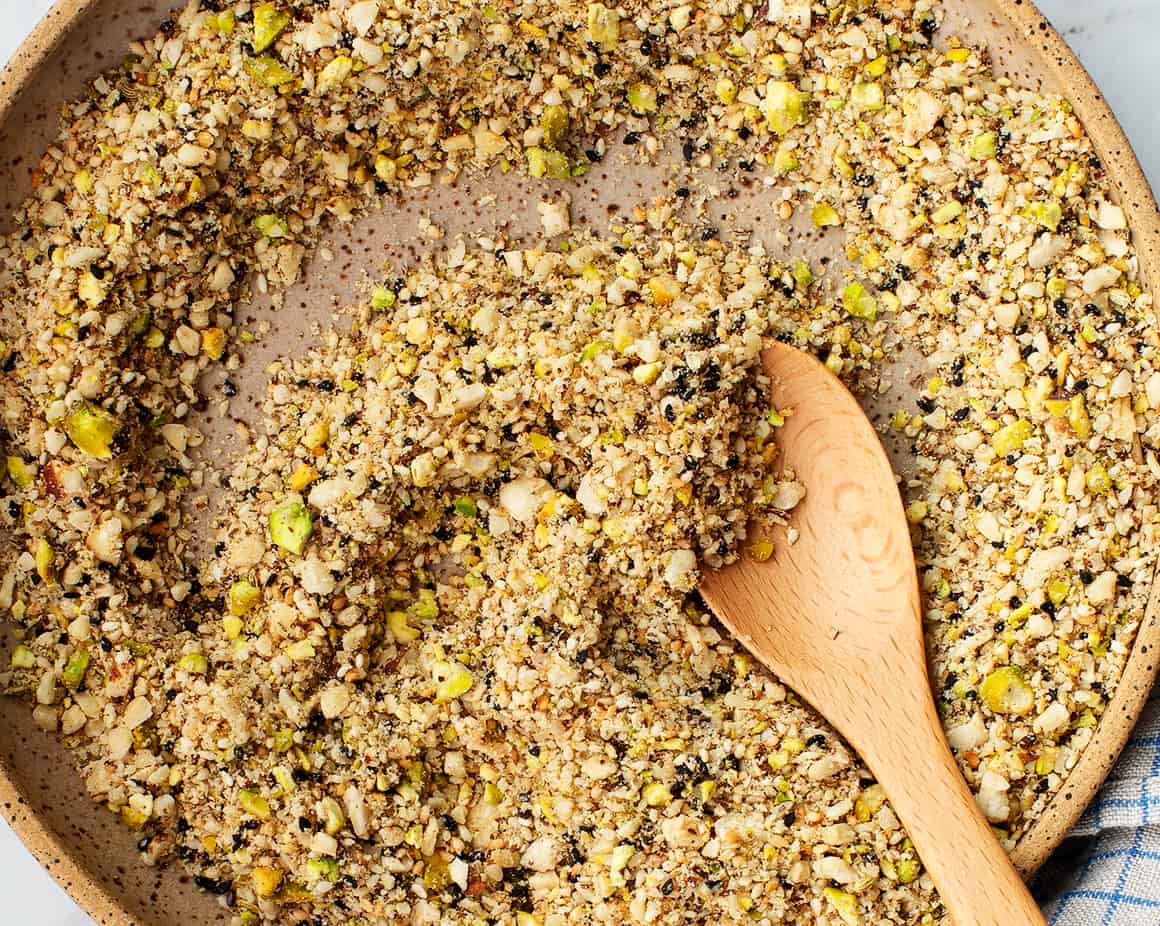
A unique, nutty spice blend that’s delicious when served with bread and olive oil for dipping.
- Ingredients: 2 tbsp toasted sesame seeds, 2 tbsp coriander seeds, 1 tbsp cumin seeds, ¼ cup chopped toasted hazelnuts, ¼ cup chopped toasted almonds.
- Instructions: Toast seeds in a dry pan until fragrant. Allow to cool, then mix with nuts. Store in a jar and use as a dip with olive oil or a crunchy topping for salads.
13. Lemon Pepper Seasoning
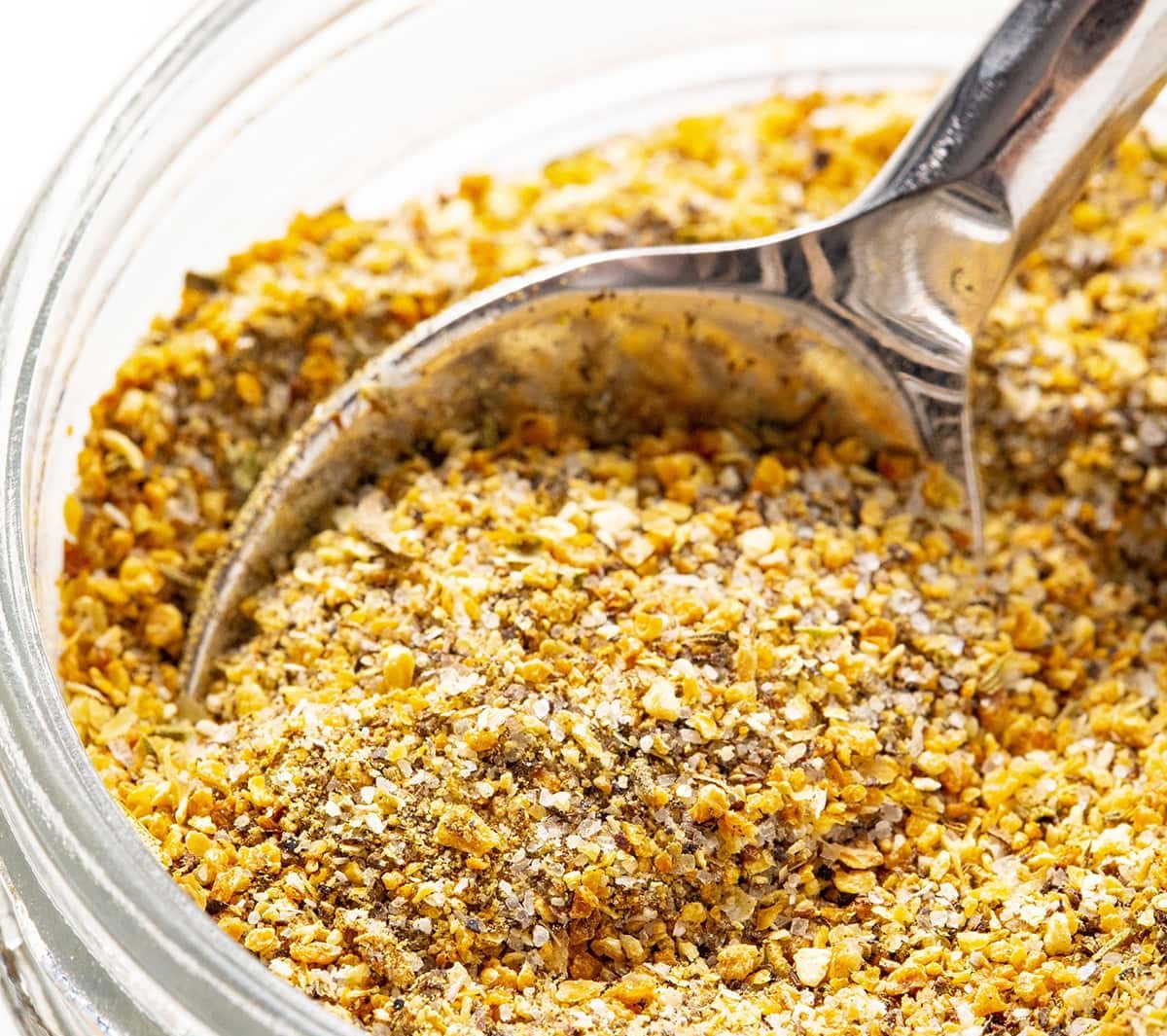
This bright blend works beautifully with seafood, chicken, and vegetables.
- Ingredients: 1 tbsp lemon zest (dried), 1 tbsp black pepper, 1 tsp garlic powder, 1 tsp onion powder, and a pinch of salt.
- Instructions: Combine ingredients and store. Use as a rub or sprinkle for a zesty flavor.
14. Garlic Herb Seasoning
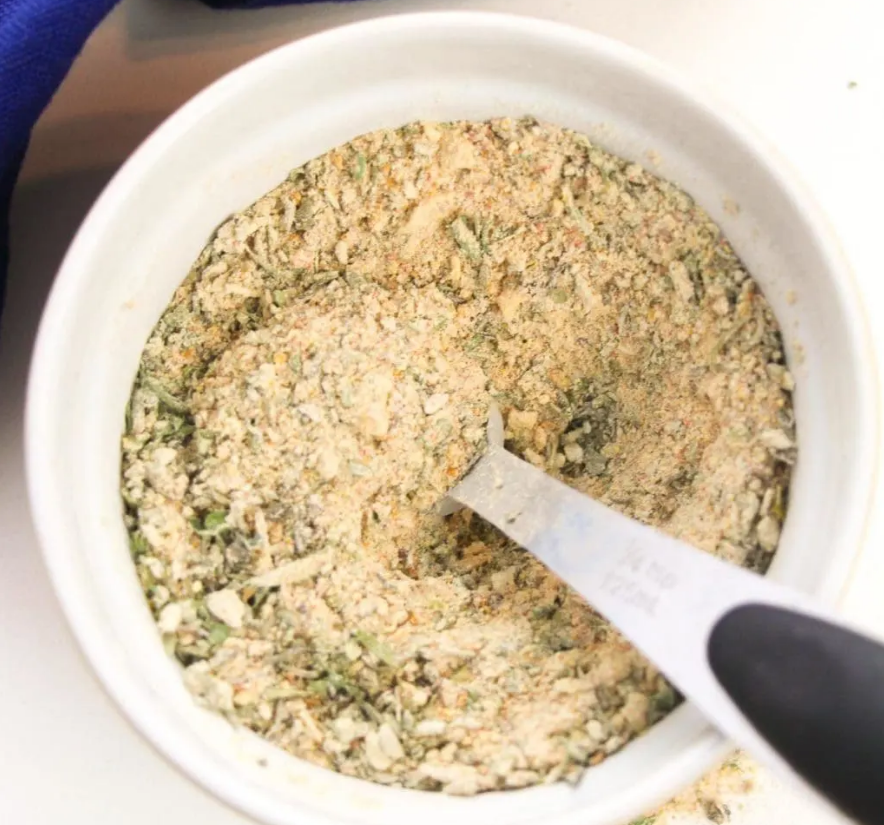
This versatile blend can be used in everything from salads to marinades.
- Ingredients: 2 tbsp dried parsley, 1 tbsp dried basil, 1 tbsp garlic powder, 1 tsp dried thyme, and a pinch of salt.
- Instructions: Mix ingredients and store. Use to season chicken, vegetables, or pasta dishes.
15. Burger Seasoning
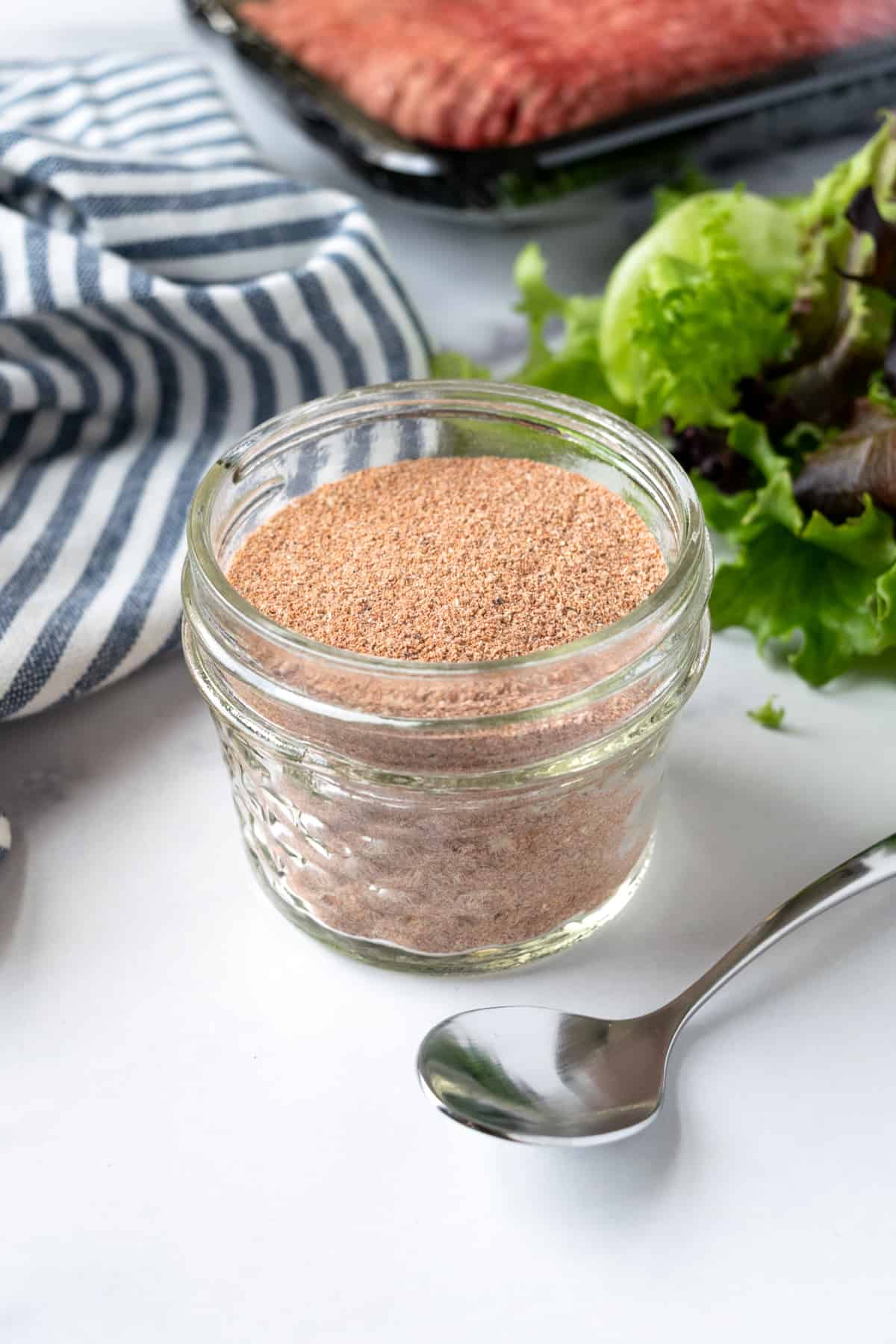
This blend enhances the flavor of burgers for the grill.
- Ingredients: 1 tbsp paprika, 1 tbsp black pepper, 1 tsp garlic powder, 1 tsp onion powder, 1 tsp salt, 1 tsp brown sugar.
- Instructions: Mix and store. Use to season beef patties before grilling.
16. Lemon Dill Seasoning
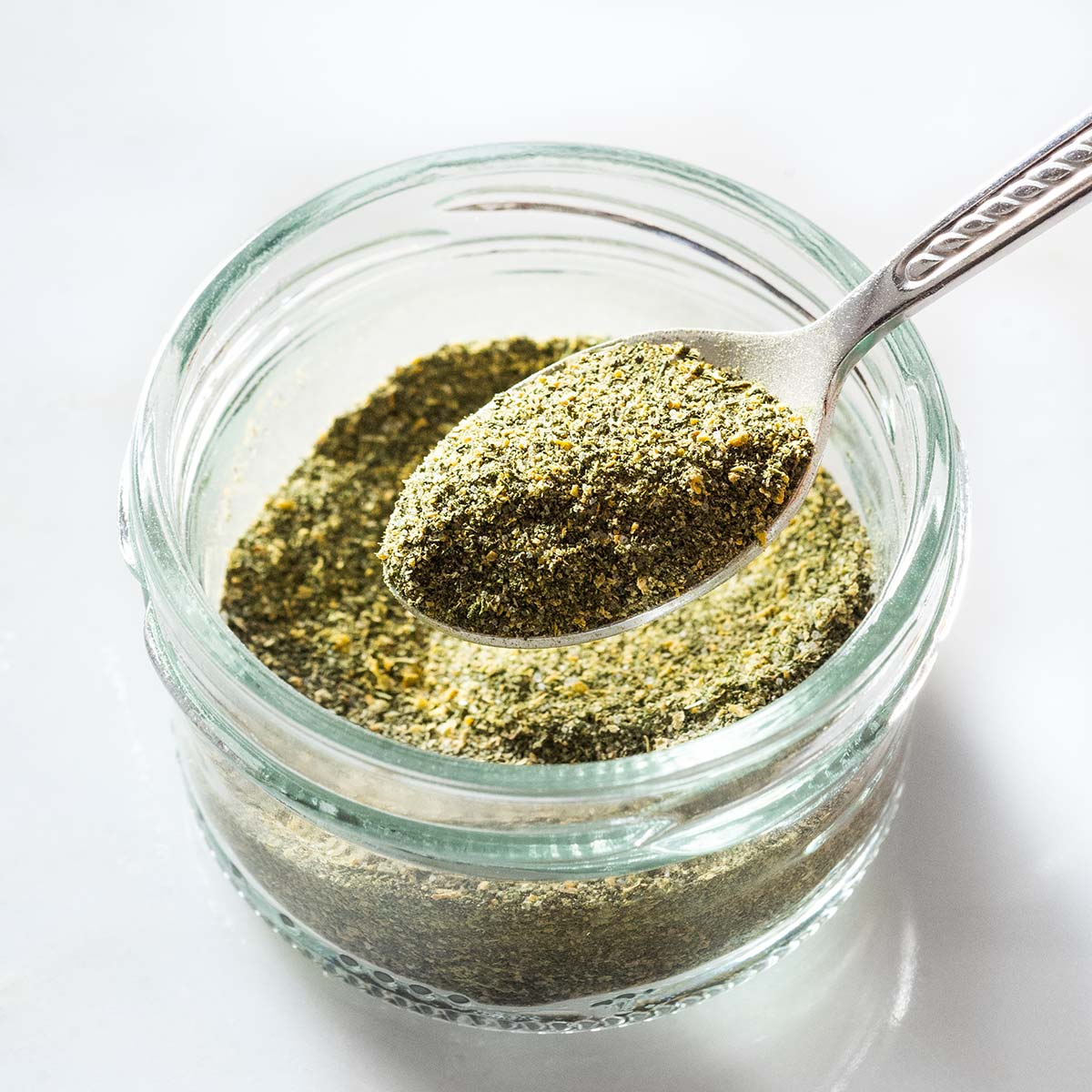
An excellent blend for fish, chicken, and vegetables.
- Ingredients: 1 tbsp dried dill, 1 tbsp lemon zest (dried), 1 tsp garlic powder, ½ tsp salt, ½ tsp black pepper.
- Instructions: Combine ingredients and store. Use with seafood, roasted veggies, or dressings.
17. Za’atar (Middle Eastern Blend)
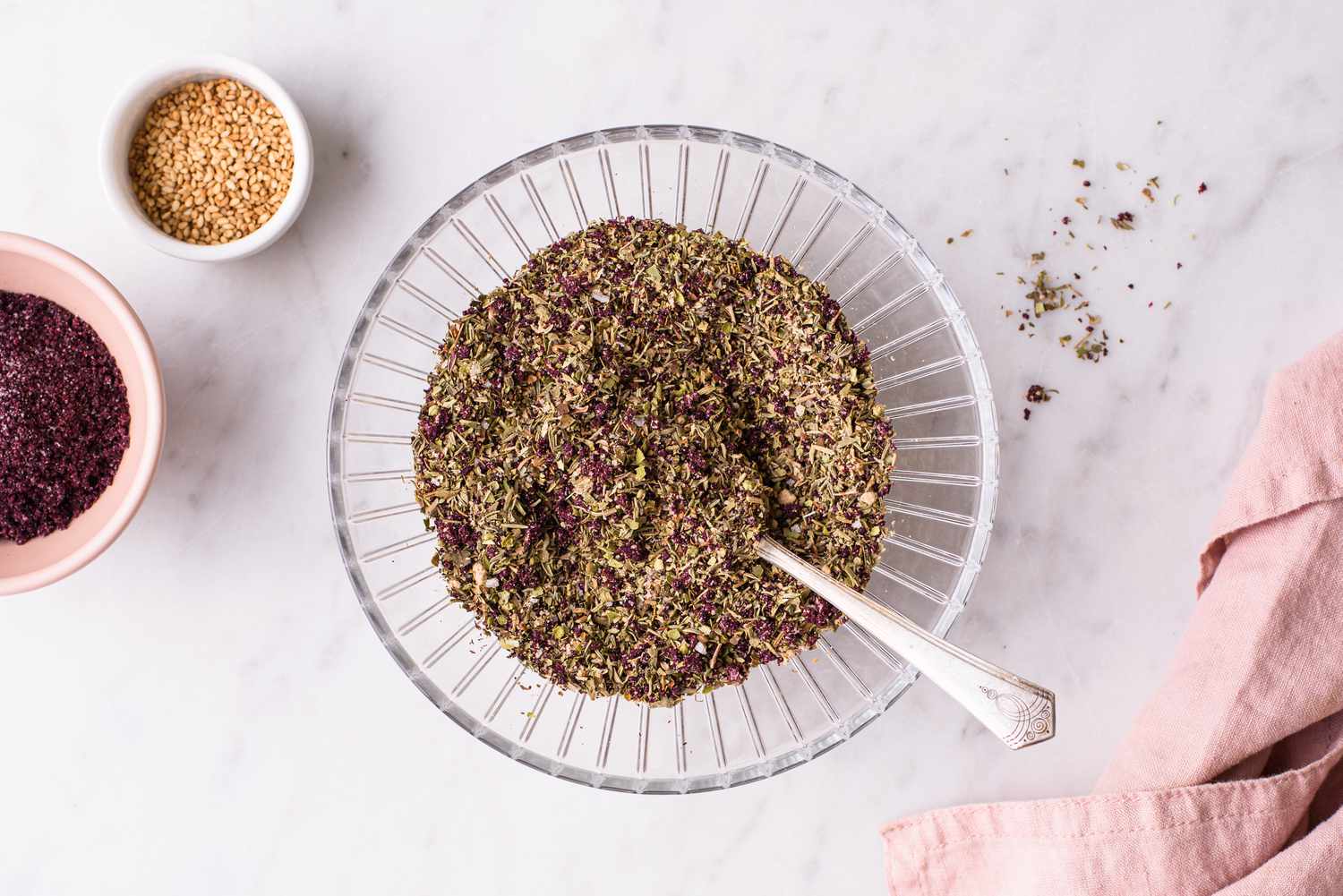
Za’atar is a tangy, earthy blend traditionally used in Middle Eastern cuisine. It’s excellent for sprinkling over flatbread with olive oil or using as a seasoning for roasted vegetables.
- Ingredients: 2 tbsp sumac, 1 tbsp sesame seeds (toasted), 1 tbsp dried thyme, 1 tbsp dried oregano, 1 tsp salt.
- Instructions: Combine and store in an airtight container. Try it mixed with olive oil as a bread dip or sprinkled over salads.
18. Sazón Seasoning
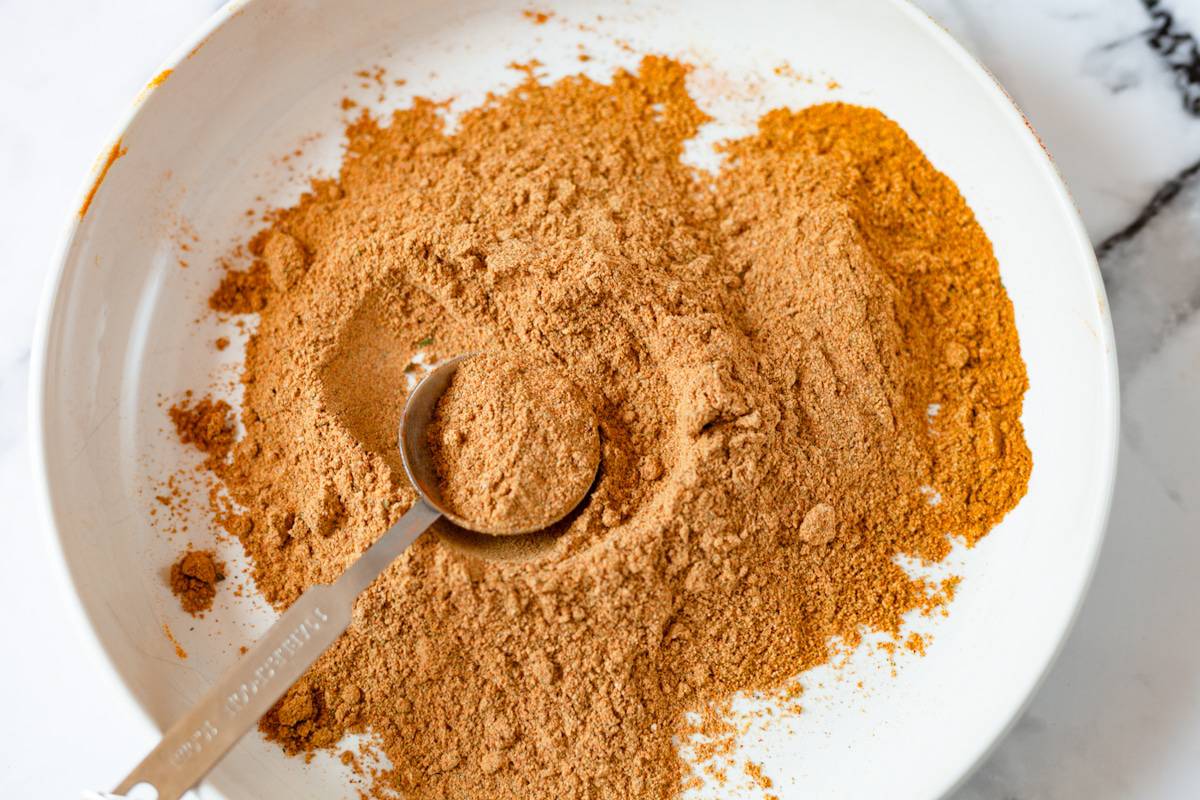
This Latin American blend adds a brilliant color and flavor to rice, beans, and stews.
- Ingredients: 1 tbsp ground annatto(achiote), 1 tbsp ground coriander, 1 tbsp garlic powder, 1 tbsp onion powder, 1 tsp ground cumin, 1 tsp salt.
- Instructions: Mix ingredients together, and store in a glass jar. Use to season rice dishes, beans, or poultry.
19. Steak Seasoning
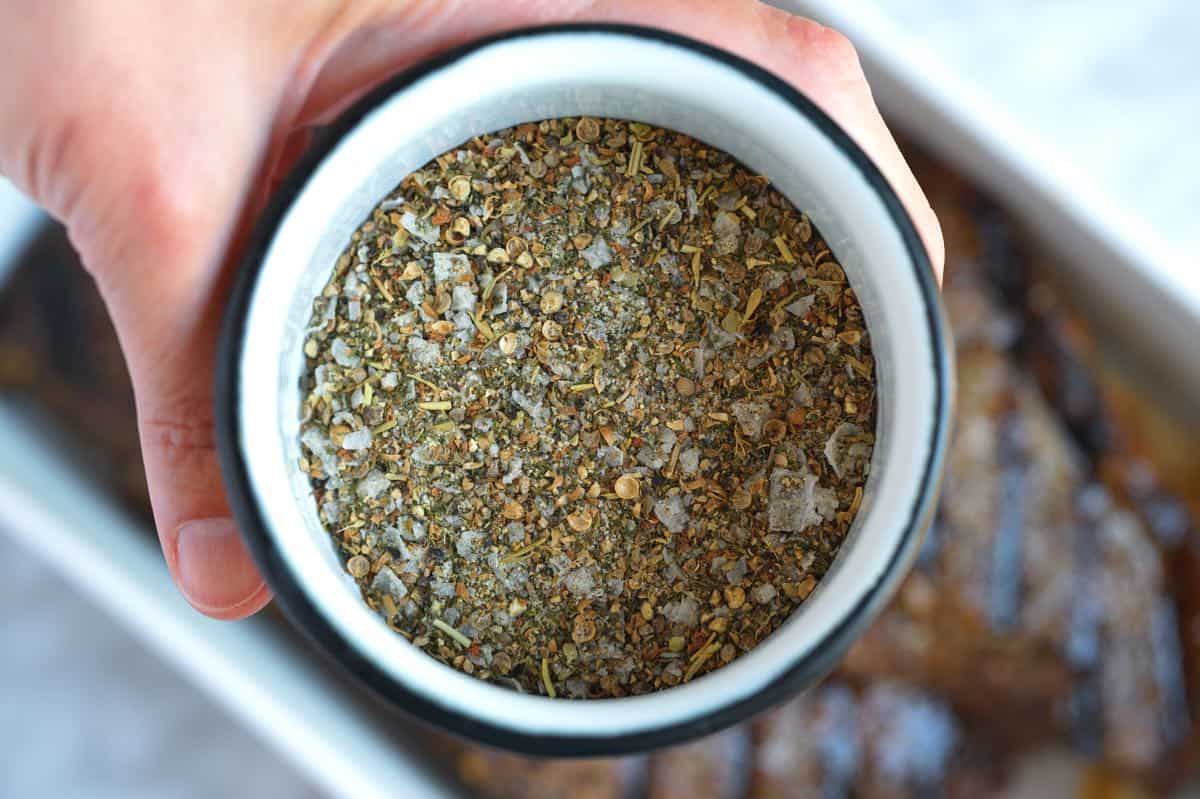
This robust seasoning is perfect for steaks or other grilled meats.
- Ingredients: 1 tbsp kosher salt, 1 tbsp black pepper, 1 tbsp garlic powder, 1 tbsp onion powder, 1 tsp smoked paprika, ½ tsp crushed red pepper.
- Instructions: Mix all ingredients thoroughly, and store in an airtight container.
Also Read: Steaming Vegetables In The Instant Pot
20. Mediterranean Seasoning
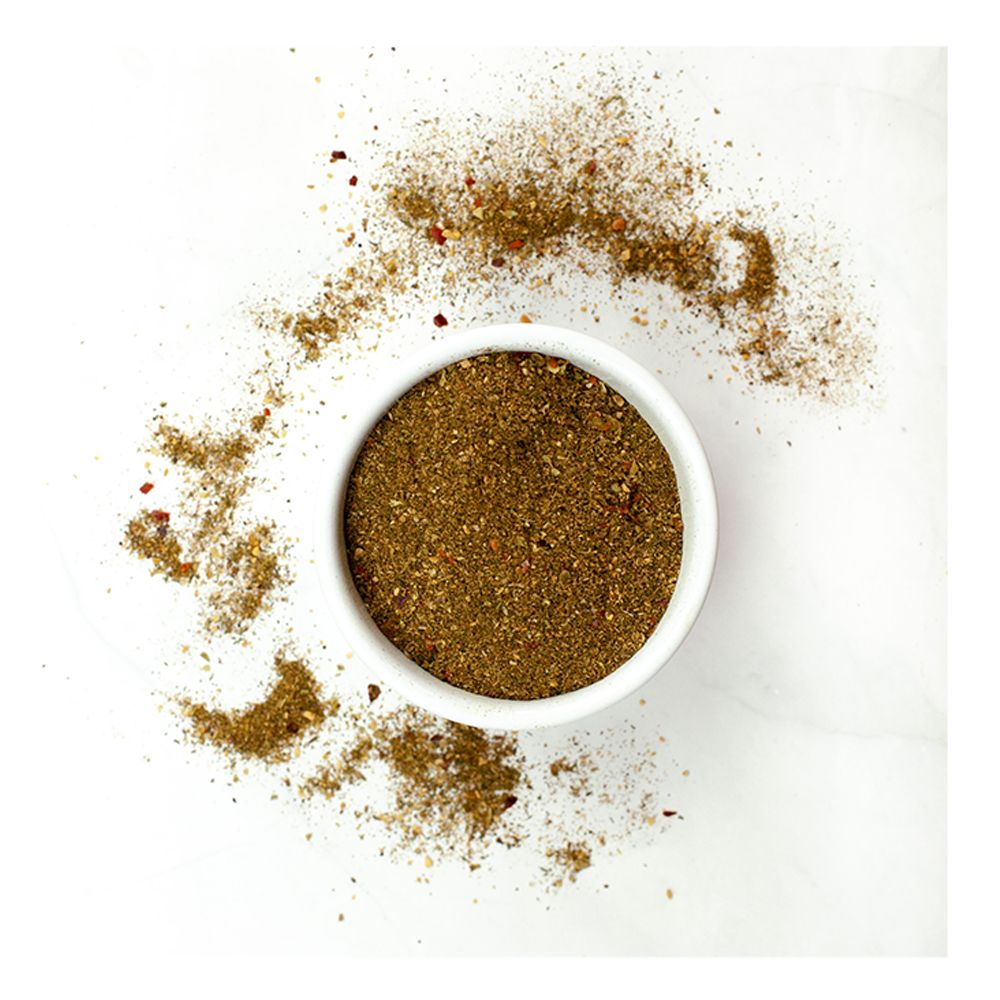
A lovely blend for Mediterranean-inspired dishes, from roasted vegetables to chicken.
- Ingredients: 2 tbsp dried oregano, 2 tbsp dried basil, 1 tbsp dried thyme, 1 tbsp garlic powder, 1 tsp dried rosemary.
- Instructions: Combine ingredients and store in a glass jar. Use as a dry rub or mix into marinades.
21. Fajita Seasoning
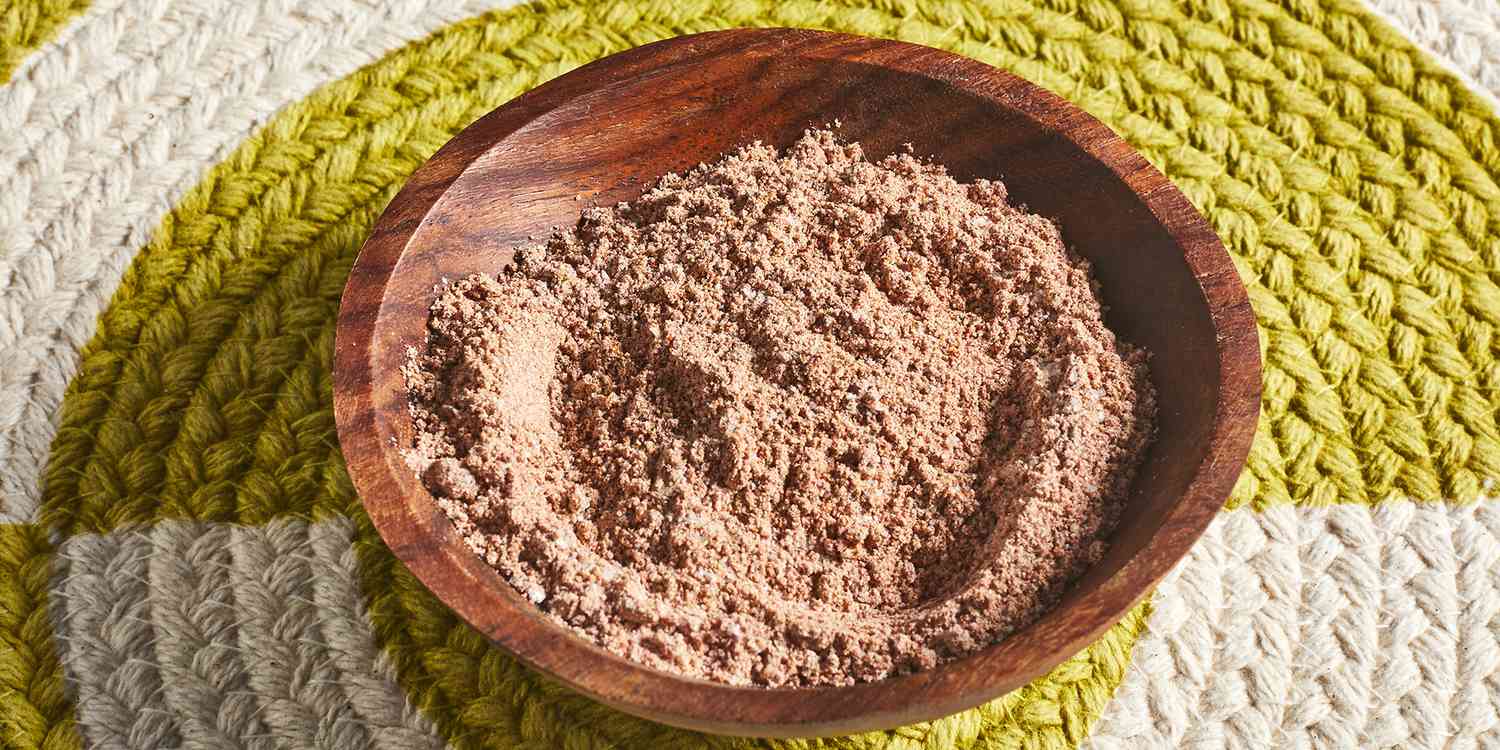
Use this blend for chicken, steak, or veggie fajitas for a classic Tex-Mex flavor.
- Ingredients: 2 tbsp chili powder, 1 tbsp paprika, 1 tbsp cumin, 1 tsp garlic powder, 1 tsp onion powder, 1 tsp black pepper, ½ tsp cayenne pepper.
- Instructions: Mix all ingredients thoroughly and store. Use with 1-2 tablespoons per pound of protein.
22. Cajun Seasoning
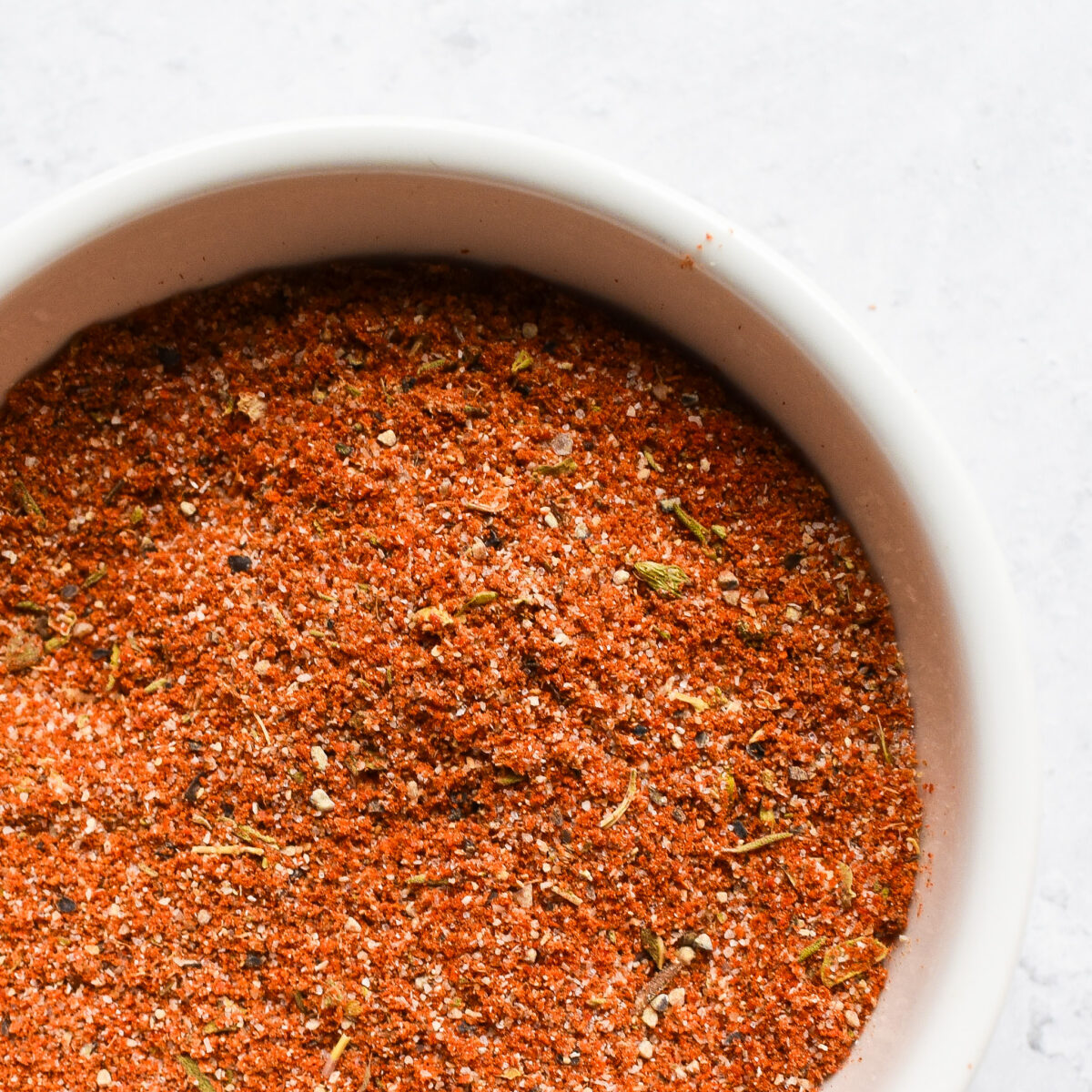
Perfect for adding a kick to seafood, meats, and vegetables with a spicy twist.
- Ingredients: 2 tbsp paprika, 1 tbsp garlic powder, 1 tbsp onion powder, 1 tbsp dried oregano, 1 tbsp dried thyme, 1 tsp cayenne pepper, 1 tsp black pepper.
- Instructions: Mix thoroughly, and store in an airtight jar. Use as a seasoning for Cajun dishes like gumbo, jambalaya, or blackened fish.
FAQs About Homemade Spice Blends
What Are The Best Spices For Beginners?
For those new to spice blending, start with versatile staples like cumin, paprika, garlic powder, onion powder, and oregano. These are foundational spices that suit a variety of cuisines, allowing you to create multiple blends with just a few ingredients.
How Long Do Homemade Spice Blends Last?
Most homemade spice blends remain fresh and flavorful for about 5-6 months when stored properly in airtight containers, away from heat and light. Whole spices generally last longer than ground spices, so for the best flavor, consider grinding fresh as needed.
Can I Use Ground Spices Instead Of Whole?
Yes, ground spices work well for quick blends and save time. However, whole spices retain their flavor longer and deliver a more intense aroma and taste when freshly ground. If you’re using pre-ground spices, make smaller batches to maintain freshness.
Are Homemade Blends Cheaper Than Store-bought?
Often, homemade blends are more cost-effective, especially if you buy ingredients in bulk. You avoid fillers, salt, and preservatives found in many commercial options, making homemade blends a healthier and better-value option.
How Can I Make My Blends More Potent?
To intensify flavors, try lightly toasting whole spices in a dry skillet before grinding. This releases essential oils and enhances the aroma. Just be cautious not to burn them, as that can create a bitter taste.
Conclusion
Creating your own spice blends not only enriches your meals but also provides a fun, rewarding experience in the kitchen.
Every blend is an opportunity to personalize flavors and experiment with global tastes, making each dish uniquely your own.
As you try new blends and discover favorites, embrace the flexibility and creativity that homemade seasoning brings to your cooking.