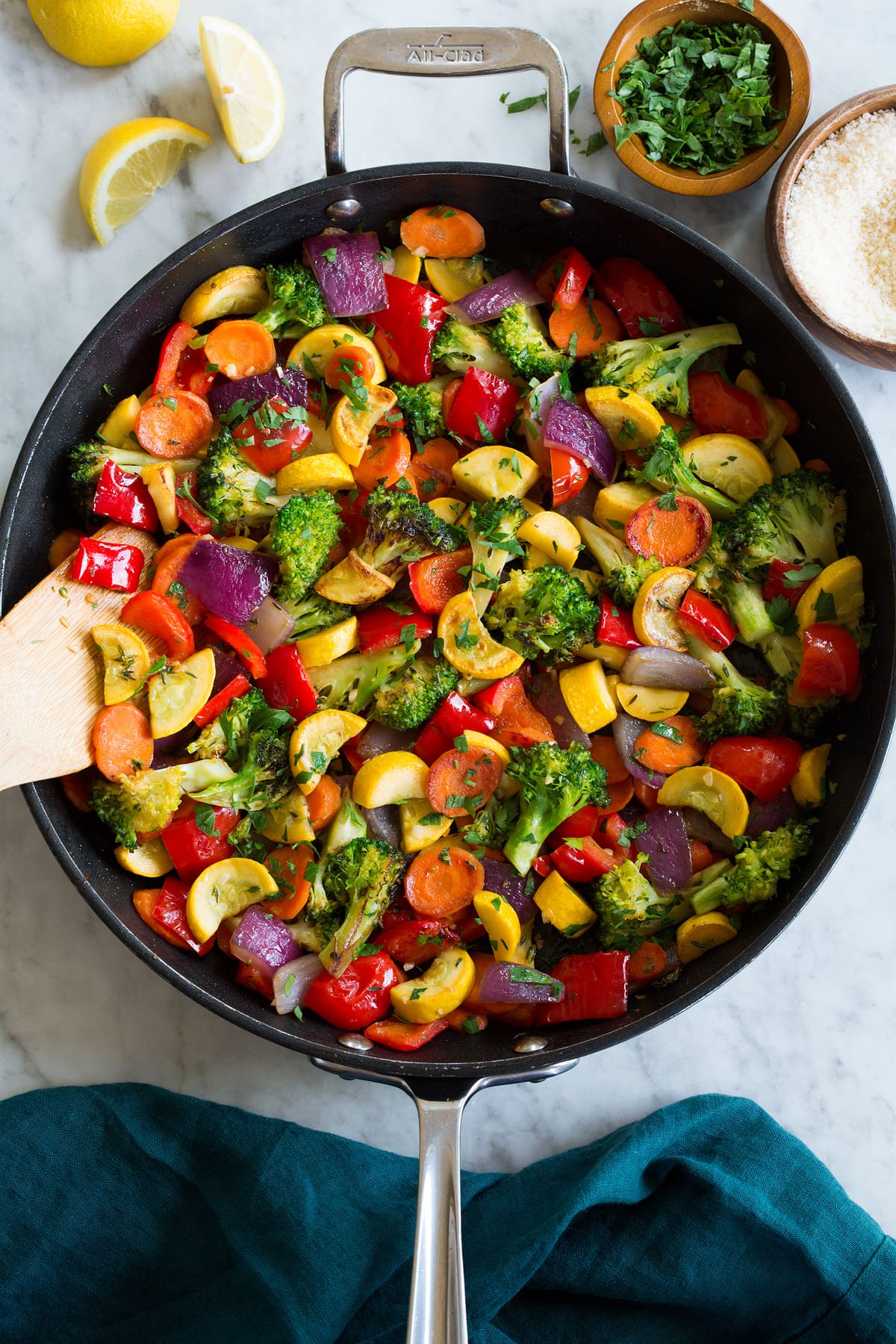
Sautéing vegetables is a fundamental cooking technique that can elevate your meals from ordinary to extraordinary. It allows you to quickly cook a variety of vegetables while preserving their vibrant colors, flavors, and essential nutrients. Mastering the art of sautéing not only enhances your culinary skills but also opens up a world of possibilities in creating healthy and delicious dishes that can complement any main course or stand alone as a vibrant centerpiece.
With just a few ingredients and the right technique, you can transform fresh produce into a delightful medley of flavors and textures. This article aims to provide you with expert insights, practical tips, and delicious recipes to help you sauté vegetables to perfection, making healthy eating both enjoyable and satisfying.
1. Benefits Of Sautéing Vegetables
Sautéing is a cooking method that involves cooking food quickly in a small amount of oil or fat over relatively high heat. Here are the key benefits of sautéing vegetables:
- Retaining Nutrients: Sautéing helps preserve the vitamins and minerals in vegetables better than boiling or steaming, as it requires less cooking time and uses minimal water.
- Enhancing Flavors: The high heat of sautéing caramelizes the natural sugars in vegetables, intensifying their flavors and creating a delightful contrast between crispy exteriors and tender interiors.
- Quick Cooking Time: This method allows for rapid cooking, making it ideal for busy weeknights. Sautéing typically takes only a few minutes, helping you get dinner on the table faster.
- Versatility: You can sauté a wide variety of vegetables, from leafy greens to root vegetables, making it easy to incorporate seasonal produce into your meals.
2. Essential Equipment For Sautéing
To achieve perfect sautéed vegetables, having the right equipment is crucial:
- Skillets or Sauté Pans: A heavy-bottomed skillet or sauté pan distributes heat evenly, preventing hot spots that can burn your vegetables. Cast iron, stainless steel, or non-stick pans are all excellent choices.
- Wooden or Silicone Spatulas: These utensils help you stir and flip your vegetables without scratching your cookware. They are also heat-resistant, which is ideal for high-heat cooking.
- Cooking Utensils and Heat Sources: A reliable stovetopis essential for sautéing, whether using gas or electric. Additionally, having kitchen towels, measuring spoons, and a cutting board will help streamline your prep work.
3. Choose The Right Vegetables
Not all vegetables are created equal when it comes to sautéing. Here are some of the best options to consider:
- Leafy Greens: Spinach, kale, and Swiss chard sauté beautifully and cook down significantly, making them perfect for adding to dishes like pasta or grain bowls.
- Firm Vegetables: Carrots, bell peppers, zucchini, and asparagus hold their shape well when sautéed and add color and crunch to your meals. An easy trick to make frozen broccoli taste goodis to toss it in with these veggies for a quick, flavorful side that complements any main dish.
- Aromatics: Onions, garlic, and shallots enhance the flavor of any dish. Sautéing these first creates a fragrant base for your vegetables.
Preparation Tips
- Cut vegetables into uniform sizes to ensure even cooking. Smaller pieces cook faster, while larger ones may need additional time.
- Consider the cooking time of each vegetable. Start with those that take longer to cook, adding quicker-cooking ones later in the process.
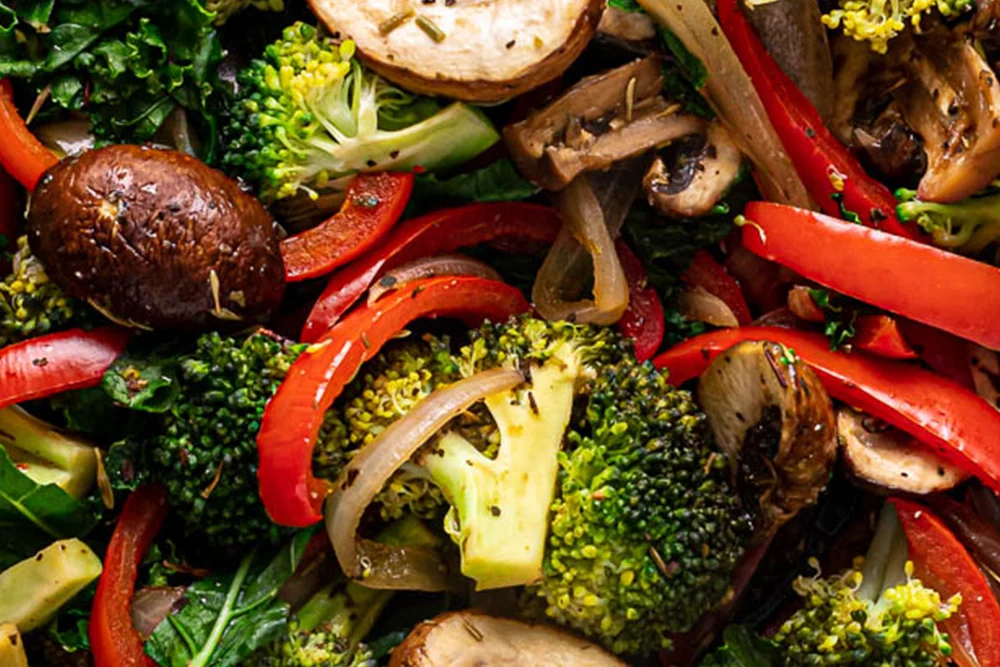
4. The Sautéing Process
Step 1: Heat The Pan
Begin by placing your skillet or sauté pan on the stovetop over medium to medium-high heat. It is crucial to allow the pan to preheat properly, as this will give your vegetables a nice sear instead of steaming them. A hot pan ensures that the moisture in the vegetables quickly evaporates, allowing them to brown rather than sit in their own juices.
This technique helps achieve that desired crispy texture. To check if the pan is hot enough, you can sprinkle a few drops of water onto the surface. If they dance and evaporate quickly, your pan is ready for the next step.
Step 2: Add Oil Or Butter
Once your pan is adequately heated, add a small amount of oil or butter to the pan. Use about one to two tablespoons depending on the amount of vegetables you’re cooking. For sautéing, oils with high smoke points, such as avocado oil, canola oil, or grapeseed oil, are ideal.
Butter can add rich flavor but has a lower smoke point, so it's best to use it in combination with oil. The fat not only prevents sticking but also aids in the even cooking of the vegetables, allowing them to caramelize beautifully.
Step 3: Introduce Vegetables
After the oil is hot and shimmering or the butter is melted and bubbling, it’s time to add your prepared vegetables to the pan. Be mindful of how many vegetables you add at once; overcrowding the pan can lower the temperature, leading to steaming instead of sautéing.
If you have a large batch, consider sautéing in smaller increments. Aim to add the vegetables in a single layer if possible, giving them room to brown. Use a spatula to quickly toss them, ensuring they are evenly coated with oil.
Step 4: Stir And Cook
As the vegetables start to cook, it’s important to stir them regularly. Use a wooden or silicone spatula to lift and turn the vegetables gently but frequently, allowing all sides to come in contact with the hot pan. This technique will help achieve even cooking and browning.
Keep an eye on the heat level; if the vegetables are browning too quickly or burning, reduce the heat slightly. Conversely, if they are not cooking fast enough, increase the heat to maintain a consistent sizzle.
Step 5: Season During Cooking
As your vegetables begin to soften, it’s time to add seasoning. This step is essential for enhancing flavor. You can season at the start, during, or towards the end of the cooking process.
For initial flavor infusion, a sprinkle of salt and pepper can be added as soon as the vegetables are in the pan. You can also add herbs, spices, or aromatics like minced garlic and onions. If you choose to add garlic, consider doing so later in the cooking process to prevent burning.
Step 6: Monitor Cooking Time
Cooking time will vary based on the type of vegetables and their cut size. Leafy greens like spinach may only need two to three minutes, while firmer vegetables such as carrots or bell peppers could take five to seven minutes. Look for vibrant colors and tenderness to assess doneness.
Vegetables should be cooked through but retain a slight crunch for the best texture. You can taste-test a piece to check if it has reached your desired level of doneness. The goal is to achieve a balance between softness and a bit of bite.
Step 7: Finish And Serve
Once your vegetables are perfectly sautéed, it’s time to serve them. Just before removing them from the pan, consider a final sprinkle of salt, a squeeze of lemon juice, or a drizzle of balsamic vinegar to enhance flavors. Mastering simple touches like these is a great way to become a cooking pro, elevating the taste and presentation of your meals. Sautéed vegetables can be served as a side dish, tossed into pasta, used as a pizza topping, or incorporated into grain bowls. They add color, flavor, and nutrition to any meal.
5. Tips For Perfectly Sautéed Vegetables
- Avoid Overcrowding: If you add too many vegetables at once, they will steam instead of sauté, leading to a mushy texture.
- Stirring Techniques: Use a spatula to lift and toss the vegetables, allowing all sides to come in contact with the heat.
- Adjusting Heat Levels: If the vegetables are browning too quickly, reduce the heat to prevent burning. Conversely, if they're not cooking, increase the heat slightly.
- Choosing the Right Oil: Select oils with high smoke points, such as avocado oil or canola oil, for sautéing at higher temperatures.
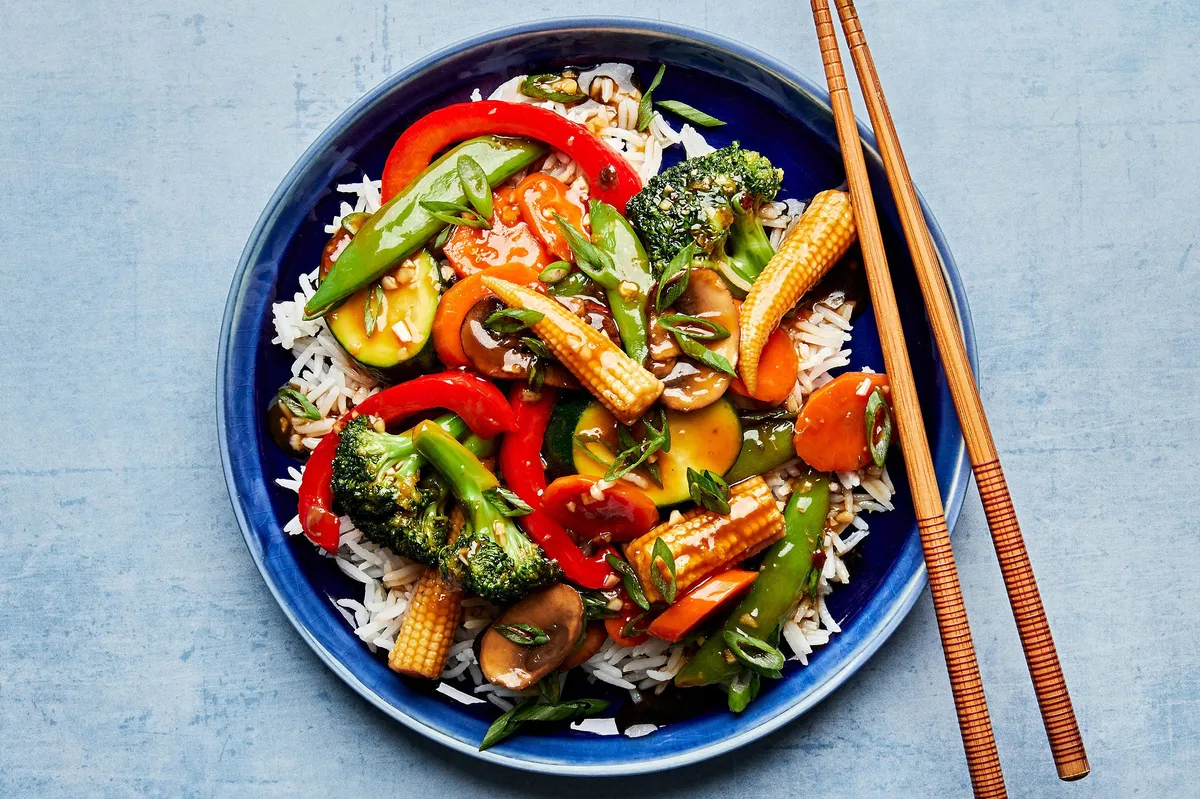
6. Flavor Enhancements
Enhancing the flavor of your sautéed vegetables can elevate your dish significantly. Here are some ideas:
- Adding Herbs and Spices: Fresh or dried herbs such as thyme, rosemary, and oregano can be added for extra flavor. Traditional Mississippi cookingoften emphasizes the use of fresh, flavorful herbs, adding depth and richness to dishes. Sprinkle them in during the last minute of cooking for maximum impact.
- Incorporating Garlic and Onion: Start by sautéing chopped onions and minced garlic before adding other vegetables. This builds a flavorful base.
- Using Acidic Elements: A splash of lemon juice or vinegar just before serving brightens the dish and balances flavors.
Delicious Sautéed Vegetable Recipes
Sautéed Garlic Spinach
- Ingredients: Fresh spinach, minced garlic, olive oil, salt, and pepper.
- Instructions: Heat olive oil in a skillet, add garlic and sauté until fragrant. Add spinach and cook until wilted. Season and serve.
Stir-Fried Bell Peppers And Onions
- Ingredients: Bell peppers, onion, olive oil, cumin, and chili powder.
- Instructions: Heat oil, add sliced onions and bell peppers, and stir-fry until tender. Season with spices and serve as a side dish or topping.
Sautéed Zucchini With Herbs
- Ingredients: Zucchini, olive oil, fresh herbs (like basil or thyme), salt, and pepper.
- Instructions: Sauté sliced zucchini in olive oil until golden. Add herbs and season before serving.
FAQs
Can I Sauté Frozen Vegetables?
Yes, but it’s best to thaw and drain excess moisture first to prevent steaming.
What Oils Are Best For Sautéing?
Choose oils with high smoke points, such as avocado, canola, or grapeseed oil, for optimal results.
How Do I Know When The Vegetables Are Done?
Look for vibrant colors and tenderness; they should be cooked through but still retain some crispness.
Can I Sauté With Water Instead Of Oil?
While water can be used for steaming, sautéing traditionally requires oil to achieve the desired texture and flavor.
What’s The Difference Between Sautéing And Stir-frying?
Sautéing is generally done at a lower heat and for shorter durations, while stir-frying involves higher heat and constant movement in a wok.
Conclusion
Perfectly sautéed vegetables can enhance any dish, adding not only nutrition but also a burst of flavor and color. By understanding the sautéing process and implementing the tips shared, you can create meals that not only taste great but also showcase the natural goodness of vegetables.
As you experiment with sautéing, remember that practice makes perfect. With time, you'll develop a knack for knowing just the right moment to add your vegetables, how to season them effectively, and the ideal cooking times for different types.