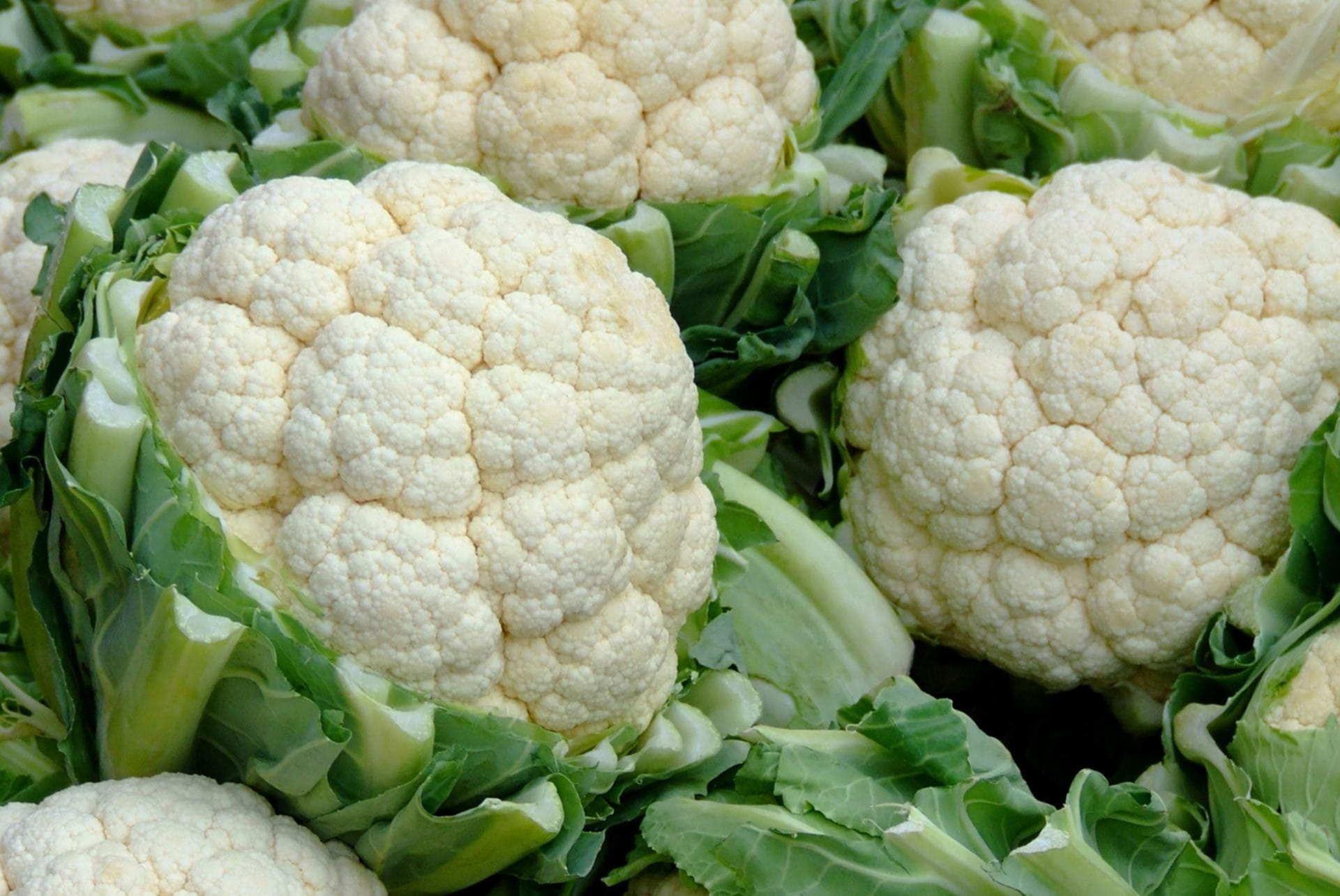
Cauliflower has become a culinary favorite in recent years, earning its place in health-focused diets like keto, low-carb, and plant-based meal plans. Its neutral flavor and versatility make it a popular ingredient, appearing in everything from cauliflower rice to cauliflower pizza crust.
Considered a “superfood” for its nutritional benefits, cauliflower has captured the attention of health-conscious eaters everywhere.
But despite its natural appearance, cauliflower’s journey from wild plant to cultivated vegetable is fascinating-and not as straightforward as one might think.
This article explores whether cauliflower is truly natural, how it was developed, and why this "man-made" vegetable remains a valuable part of modern diets.
What Does "Man-Made" Mean In The Context Of Vegetables?
In the context of food, “man-made” might sound artificial, but it doesn’t necessarily mean that a vegetable was synthetically created.
When we say that cauliflower is “man-made,” we’re referring to the practice of selective breeding-a traditional agricultural technique where farmers select plants with desirable traits and breed them over generations to enhance those characteristics.
Unlike genetic modification, which alters DNA in a lab, selective breeding works within the plant’s natural genetic range, making it a more natural process that only requires human guidance.
Other Man-Made Vegetables:
- Broccoli
- Kale
- Orange Carrots
- Brussel Sprouts
Cauliflower is part of this lineage, evolving over centuries from its wild ancestor into the vegetable we know today. In this sense, cauliflower is “man-made” in the same way as many other common vegetables-shaped by humans, but still a naturally grown, nutritious food.
Related: Is Banana A Man-Made Fruit Or Nature’s Creation?
How Selective Breeding Created Cauliflower
Cauliflower’s development is a prime example of how selective breeding can transform a wild plant into a cultivated crop with specific desired traits. This process began with Brassica oleracea, a hardy wild mustard plant native to Mediterranean regions like Cyprus.
Farmers noticed that certain plants within the Brassica family exhibited unique qualities, such as tightly clustered flower buds and tender textures.
Over centuries, they selected and bred these plants to enhance these traits, eventually creating distinct vegetables within the Brassica family, including cabbage, broccoli, kale, and cauliflower.
Selective Breeding Techniques And Controlled Pollination
In selective breeding, farmers encourage specific plants to reproduce based on desirable traits.
For cauliflower, this meant breeding plants with larger, denser flower clusters, which eventually became the edible “curds” that make up its head.
Pollination is crucial to this process, as farmers control which plants pollinate each other, focusing on plants that exhibit the most desirable qualities.
This control over breeding techniques allowed farmers to create new types of cauliflower and make it suitable for different climates and uses.
Examples of Pollination Techniques:
- Controlled Pollination: Manually transferring pollen between selected plants.
- Grafting: Combining parts of different plants to improve growth.
- Cutting and Layering: Encouraging root growth for new plants from existing ones.
After hundreds of years of selective breeding, cauliflower emerged as a distinct variety within the Brassica oleraceafamily, with its own unique characteristics. Today, there are hundreds of cauliflower varieties, categorized into four main groups:
- Italian Cauliflower
- Northern European Annuals
- Northwest European Biennials
- Asian Cauliflower
The Journey Of Cauliflower: From Wild Plant To Cultivated Vegetable
Ancient Mediterranean Roots And Early Cultivation
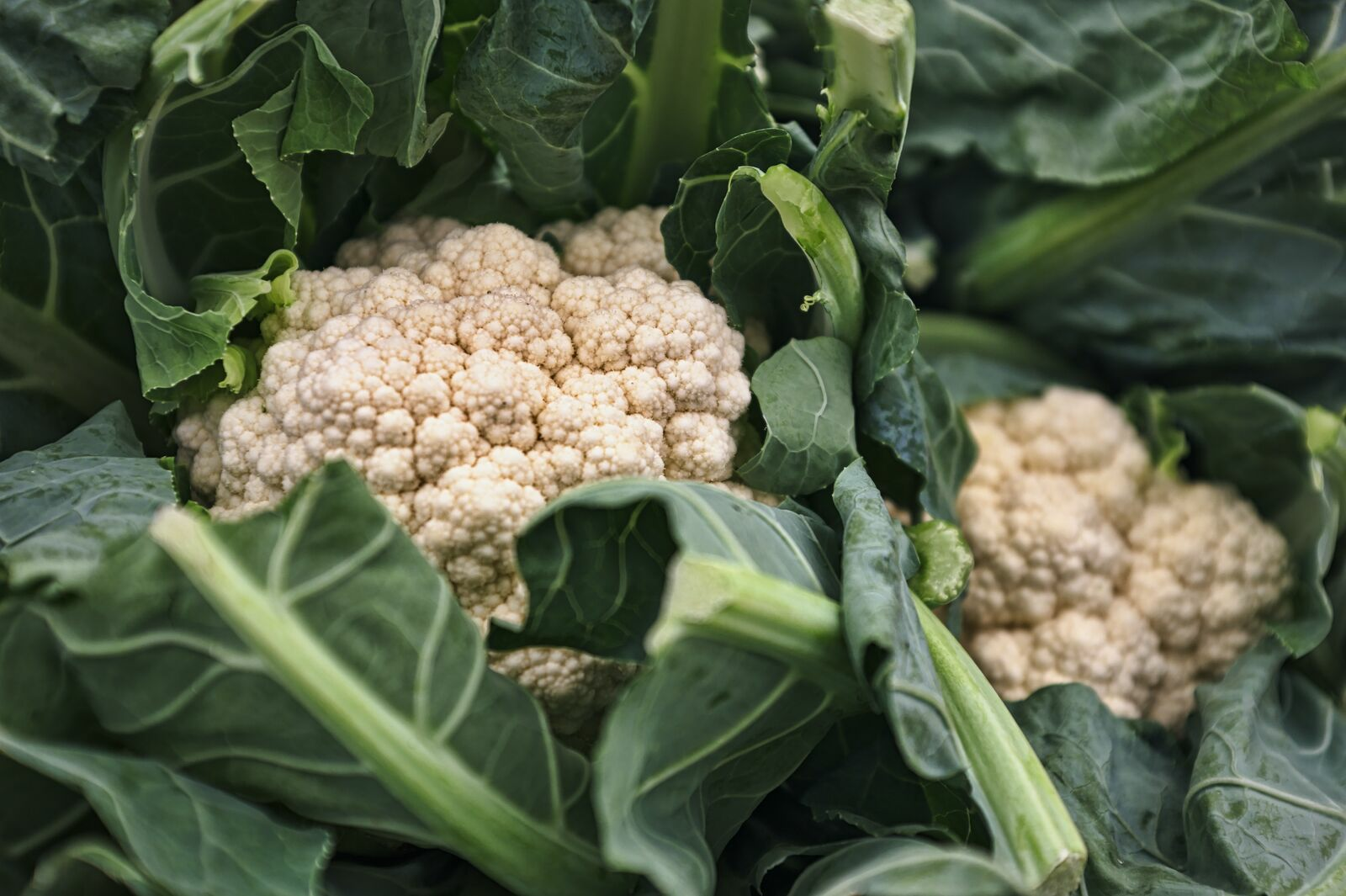
Cauliflower’s story begins with its wild ancestor, Brassica oleracea, a hardy plant native to the rocky coastlines of the Mediterranean. Its journey from a wild plant to a cultivated crop spans thousands of years and several ancient civilizations, each playing a role in its development and spread across the world.
Historians believe that the ancient Etruscans in Italywere among the first to cultivate wild cabbage plants, including the ancestor of cauliflower, around 2,000 years ago.
The ancient Romans were also familiar with the plant; in fact, the Roman author Pliny the Eldermentioned a primitive form of cauliflower in his encyclopedic work Natural History.
This early cauliflower-like vegetable likely looked and tasted very different from the cauliflower we know today, but it set the stage for future generations to continue refining and cultivating the plant.
Spread To Europe And Beyond
By the 12th and 13th centuries, cauliflower was becoming popular in Western Europe, particularly in the Mediterranean region. However, it wasn’t until the 16th centurythat cauliflower became widely recognized as a staple vegetable in European cuisine.
Traders and explorers helped spread cauliflower to various parts of the world, including India, where it arrived in 1822. Dr. Jemson, a botanist in charge of the Company Gardens in Saharanpur, played a key role in introducing cauliflower to Indian soil, where it became a beloved ingredient in traditional dishes.
Common Myths About Man-Made Vegetables
With terms like “man-made” and “selective breeding,” some might wonder if cauliflower is truly natural or if it’s somehow less nutritious than its wild relatives. Let’s address some of these common misconceptions to clear things up.
Myth #1: Man-Made Vegetables Are Artificial
The term “man-made” might sound as though cauliflower was created in a lab, but in reality, it’s a natural product of human agricultural techniques. Selective breeding-the process used to develop cauliflower-is simply a way for farmers to enhance desirable traits over generations.
This differs greatly from genetic modification, which involves directly altering DNA in a laboratory. Cauliflower, along with other selectively bred vegetables, maintains its natural genetic structure.
Myth #2: Man-Made Vegetables Are Less Nutritious
Selective breeding has enabled cauliflower to thrive in various climates, making it accessible and sustainable for people worldwide without compromising its nutritional quality.
Nutritional Highlights:
- Antioxidants
- Fiber
- Vitamins A, C, K
- Minerals like manganese and potassium
Cauliflower Varieties: Exploring The Diverse Types Created By Human Influence
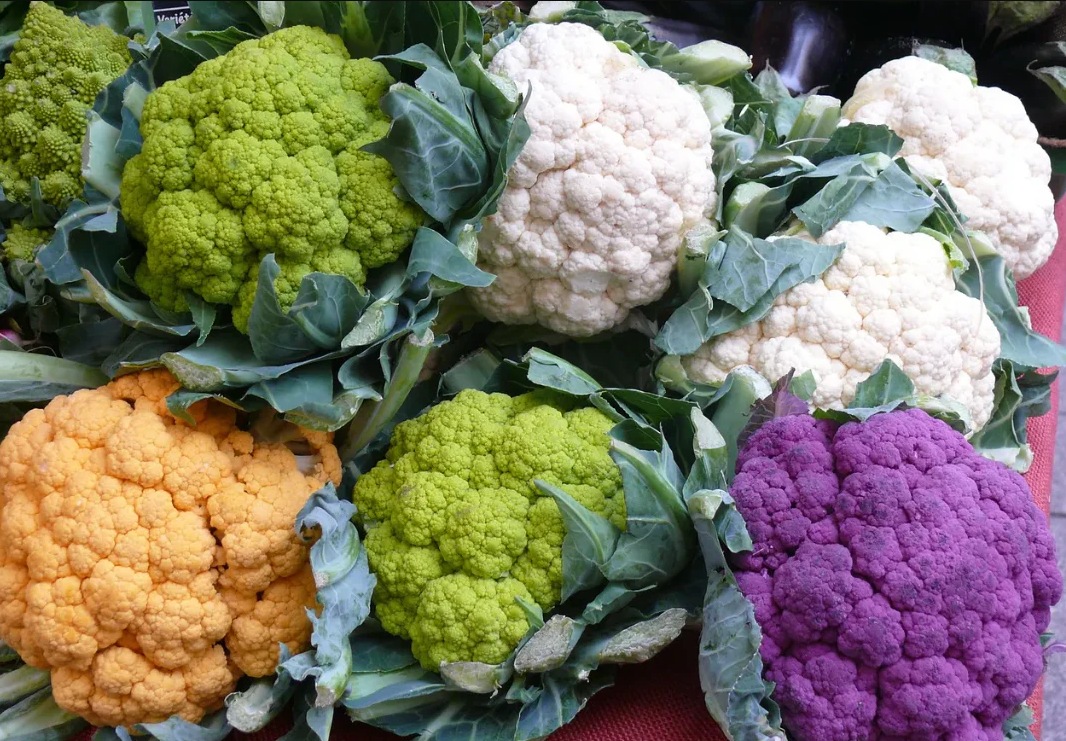
Thanks to centuries of selective breeding, cauliflower now exists in a variety of colors, shapes, and textures, making it both visually appealing and nutritionally diverse. Here’s a closer look at some of the most popular types of cauliflower:
- White Cauliflower
- Orange Cauliflower
- Purple Cauliflower
- Green Cauliflower
These diverse types of cauliflower are cultivated around the world and vary based on local climates and agricultural practices.
Nutritional Profile Of Cauliflower
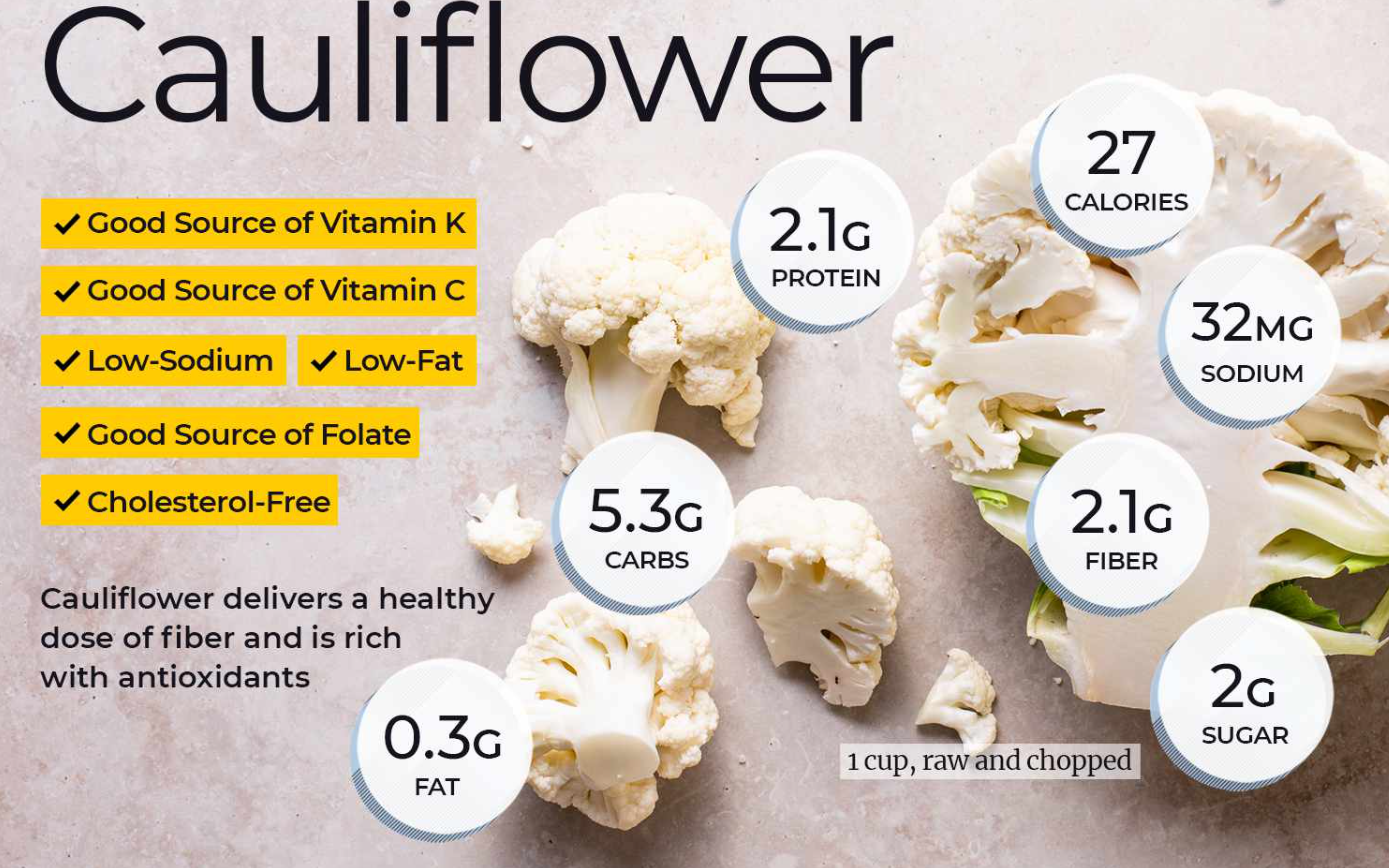
Cauliflower is a powerhouse of nutrients, making it an excellent addition to a balanced diet. Here’s a breakdown of some of its key health benefits:
- Fiber: Supports healthy digestion and helps regulate blood sugar levels.
- Vitamins: Rich in vitamin C (boosts immune function), vitamin K (important for bone health), and B vitamins like B5 and B6, which support energy production and brain health.
- Minerals: Contains essential minerals, including manganese, potassium, and magnesium, which contribute to overall well-being, support bone health, and aid muscle function.
- Antioxidants: Vibrant varieties, like purple and orange cauliflower, contain antioxidants like anthocyanins and beta-carotene, which protect cells from free radical damage.
- Low Calories and Carbs: With its low-calorie and low-carbohydrate content, cauliflower is ideal for weight management and popular in keto and low-carb diets.
This robust nutrient profile makes cauliflower a “superfood” that can easily fit into various diets, whether you prefer it cooked or raw.
Cauliflower In Cuisine: Traditional Dishes And Modern Trends

Cauliflower’s adaptability has made it a beloved ingredient worldwide, appearing in both traditional dishes and modern food trends.
Traditional Dishes
Cauliflower is a staple in many international cuisines. In Indian cuisine, it’s used in popular dishes like aloo gobi(cauliflower with potatoes) and gobi paratha(flatbread stuffed with spiced cauliflower).
In the Mediterranean region, cauliflower is often roasted or used in stews, highlighting its natural flavor with minimal seasoning.
Modern Trends
Cauliflower’s versatility has led to its popularity in modern, health-focused diets. Here are some of the most popular trends:
- Cauliflower Rice: A low-carb substitute for traditional rice, made by grating cauliflower into small pieces. It’s ideal for keto and low-carb recipes.
- Cauliflower Pizza Crust: For those avoiding gluten or carbs, cauliflower pizza crust has become a favorite. It combines grated cauliflower with cheese and eggs to create a dough-like texture perfect for various toppings.
- Cauliflower “Wings”: A plant-based alternative to chicken wings, cauliflower “wings” are often breaded, seasoned, and baked or fried. They’re popular among vegan and vegetarian eaters.
Cooking Tips
Try These Ideas for Cooking Cauliflower:
- Roasting: Roast cauliflower with spices like turmeric, cumin, or smoked paprika for a flavorful side dish.
- Blending into Soups: Puree cauliflower into soups for a creamy texture without adding cream.
- Adding to Stir-Fries: Chop cauliflower into bite-sized pieces and add to stir-fries for a nutrient boost.
Roasting or steaming cauliflower helps retain its nutrients and flavor, while boiling can lead to a mushy texture. Lightly seasoning with garlic and olive oil enhances its natural flavor without overpowering it.
See Also: How To Prepare Homemade Pizza Dough In 13 Simple Steps
Is Cauliflower Natural Or Artificial?
Cauliflower’s man-made origins may raise questions about whether it’s truly “natural.” However, while cauliflower was indeed shaped by human intervention, it remains a naturally grown, non-GMOvegetable.
The selective breeding process didn’t alter its genetic structure; it only guided its development through natural reproduction methods.
Why Cauliflower’s Origins Don’t Detract From Its Benefits
Knowing the origins of our foods can lead to a greater appreciation for agricultural innovation.
Cauliflower’s journey from a wild plant to a beloved vegetable reflects centuries of human creativity in working with nature to produce nutritious, accessible crops. Its man-made history does not detract from its health benefits or environmental sustainability.
Cultivation Tips For Home Gardeners
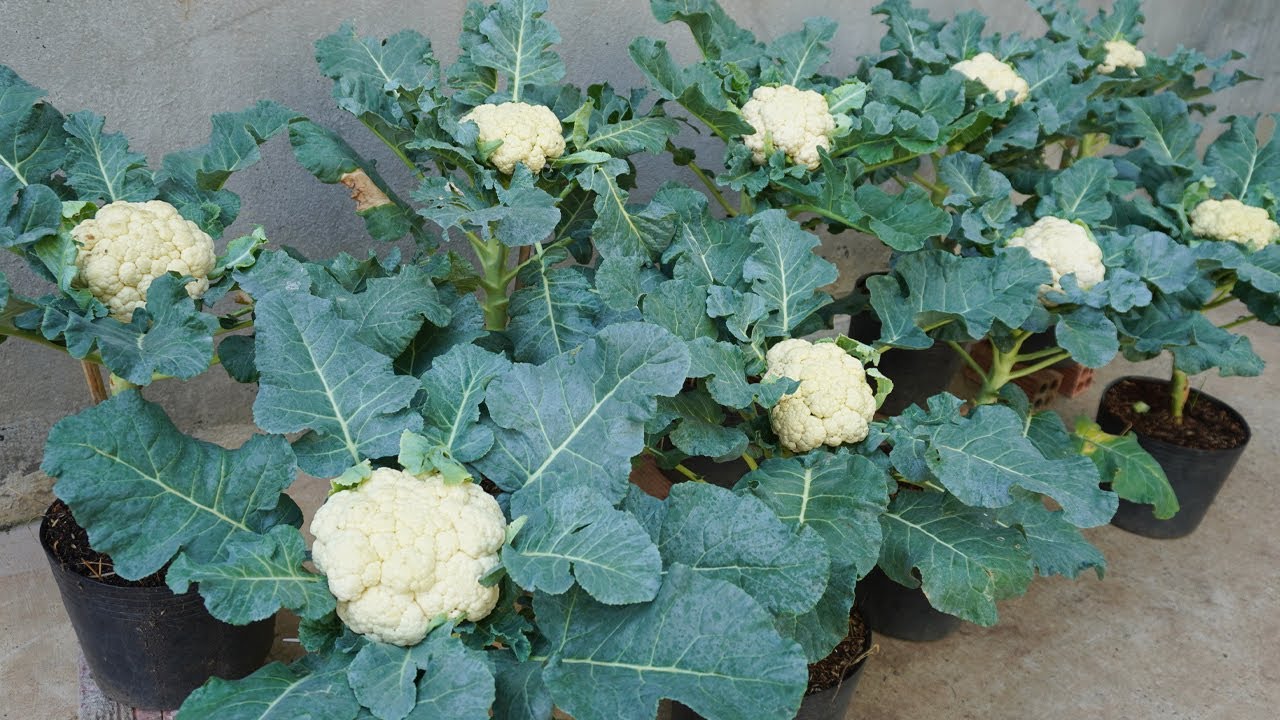
If you’re interested in growing cauliflower at home, here are some essential tips to help you get started:
- Best Season: Fall is generally the best time to plant cauliflower, as cooler temperatures encourage head formation. Spring planting is also possible, provided there’s no risk of frost.
- Sunlight: Cauliflower grows best in full sunlight, which encourages healthy growth.
- Soil: Use soil rich in organic matter; adding compost or balanced fertilizer before planting can help support growth.
- Watering: Keep the soil moist but avoid overwatering. Cauliflower requires consistent watering to develop properly.
- Harvesting Patience: Cauliflower grows slowly, so it’s essential to be patient and monitor the heads for maturity. Once they reach the desired size and firmness, they’re ready to harvest.
Growing cauliflower can be rewarding, providing a fresh source of this nutritious vegetable for you and your family.
You Might Like: How To Balance Spices In Cooking - Tips For Flavor Perfection
FAQs About Cauliflower
Is Cauliflower A Natural Vegetable?
Yes, cauliflower is a natural vegetable. Although it was developed through selective breeding, it remains a naturally grown plant with no genetic modifications.
What Does “man-made” Mean For Cauliflower?
In this context, “man-made” refers to the human intervention in cauliflower’s development through selective breeding. It wasn’t created in a lab but cultivated over generations for specific traits.
Is Cauliflower Genetically Modified?
No, cauliflower is not genetically modified. It was developed through natural reproduction methods rather than lab-based genetic modification.
What Nutrients Does Cauliflower Contain?
Cauliflower is rich in fiber, antioxidants, calcium, folate, iron, manganese, potassium, and vitamins A, B5, B6, C, E, and K.
How Can I Cook Cauliflower To Retain Its Nutrients?
To retain nutrients, try roasting or steaming cauliflower instead of boiling. These methods help preserve its texture and nutritional value.
What Are The Main Types Of Cauliflower Grown Globally?
Cauliflower varieties include white, orange, purple, green (broccoflower), and brown. Each type has a unique flavor profile and nutritional benefits.
Can Cauliflower Be Grown In Home Gardens?
Yes, with the right growing conditions, such as full sunlight, organic-rich soil, and proper watering, cauliflower can be grown successfully in a home garden.
Final Thoughts
Cauliflower’s journey from a wild plant on the Mediterranean coast to a staple vegetable in kitchens worldwide showcases the power of human influence on agriculture.
Though shaped by selective breeding, cauliflower remains a natural, nutrient-dense vegetable that offers benefits for diverse diets. Its “man-made” label doesn’t detract from its health benefits or natural origins; instead, it reflects a tradition of innovation in farming.
As you enjoy cauliflower in your favorite recipes-whether as a pizza crust, in a bowl of aloo gobi, or simply roasted with olive oil and herbs-remember that it represents thousands of years of agricultural history.
Cauliflower’s adaptability and nutritional value make it a true superfood, bridging the gap between nature and human creativity.
So, embrace this fascinating vegetable and the flavors and nutrients it brings to your meals!