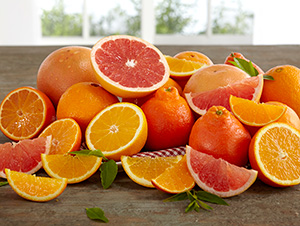
Oranges are a beloved staple in households worldwide, celebrated for their vibrant flavor and refreshing juiciness. As the most popular citrus fruit, especially in the form of orange juice, they have become a significant part of diets across the globe.
In the United States, orange juice remains the most consumed juice, reflecting its widespread popularity. However, despite their commonality, many people may wonder about the origins of this fruit and whether it is indeed a hybrid.
1. The Origin Of Oranges
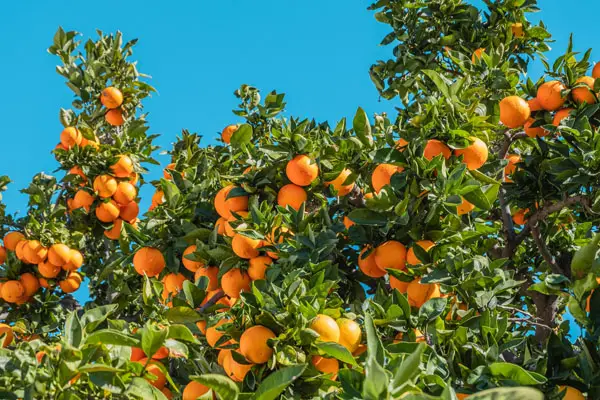
The sweet orange (Citrus × sinensis) originated in a region that includes Southern China, Northeast India, and Myanmar. The earliest known mention of the sweet orange appears in Chinese literature dating back to 314 BC.
Over centuries, oranges spread throughout Asia and eventually made their way to Europe and the Americas.
Spanish explorers played a pivotal role in introducing orangesto the New World. Christopher Columbus is credited with planting orange seeds on Hispaniola during his second voyage in 1493, which marked the beginning of orange cultivation in the Americas.
The fruit's journey through history is also tied to the Arab Agricultural Revolution, during which citrus fruits were brought to Europe and cultivated extensively.
2. What Is A Hybrid Fruit?
A hybrid fruit results from crossbreeding two different plant species or varieties to produce a new variety that possesses desirable traits from both parent plants. This process often involves manual pollination or natural cross-pollination, leading to fruits that are larger, sweeter, or more resilient than their ancestors.
In the case of sweet oranges, genetic analysis shows that they are hybrids consisting of 25% pomelo (Citrus maxima) and 75% mandarin (Citrus reticulata). This hybridization results in the unique characteristics that make oranges a popular choice among fruit lovers.
See Also: How To Balance Spices In Cooking
Key Features Of Hybrid Fruits
- Diverse Traits: Hybrids often exhibit improved characteristics such as size, flavor, and resistance to pests or diseases.
- Cross-Pollination: Hybridization can occur through natural processes or controlled breeding methods.
- Variety: Many common fruits, such as grapefruits and tangelos, are hybrids of citrus fruits.
3. The Genetics Of Oranges
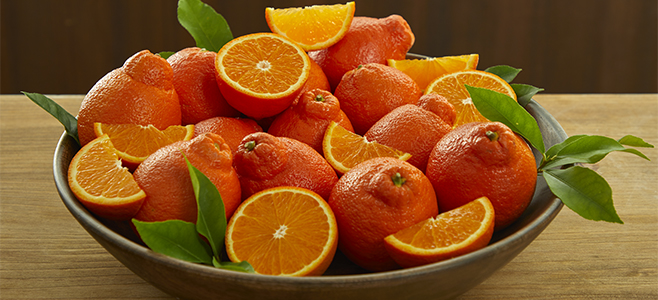
The sweet orange is not a wild fruit; it arose through domestication in East Asia. The genetic makeup of sweet oranges indicates that approximately 42% of its genome comes from the pomelo, while 58% derives from the mandarin. This genetic combination contributes significantly to the fruit's flavor, texture, and adaptability to various growing conditions.
The interfertility of citrus species has led to a complex taxonomy, with numerous hybrids and cultivars emerging over time. Sweet oranges have given rise to further hybrids, including grapefruits and other citrus varieties, making the study of citrus genetics both intriguing and complex.
Genetic Breakdown Of Sweet Oranges
- Pomelo Contribution: 42%
- Mandarin Contribution: 58%
- Resulting Traits: Unique flavor profile, improved resistance to diseases.
4. Types Of Oranges
Oranges come in various types, each with distinct flavors, sizes, and uses. Some of the most common varieties include:
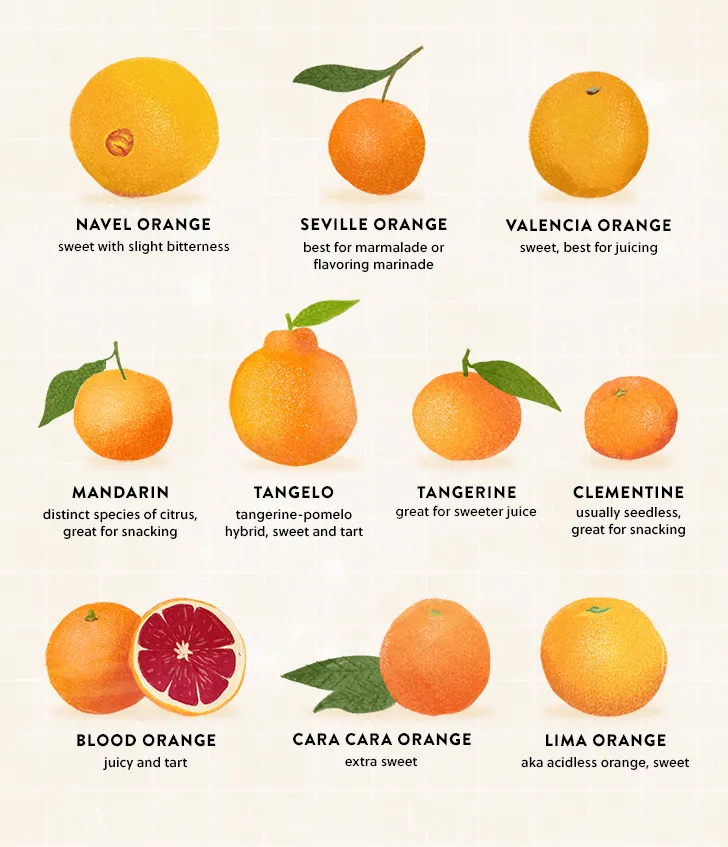
- Navel Oranges: Known for their sweet flavor and seedless nature, navel oranges are perfect for snacking. Their distinctive shape resembles a human navel, which contributes to their name.
- Valencia Oranges: Primarily used for juicing, Valencia oranges are renowned for their juicy texture and balance of sweetness and acidity. They are often sought after for their excellent flavor in beverages.
- Blood Oranges: These unique oranges are characterized by their deep red coloration and berry-like flavor, making them a popular choice for salads and desserts. The red pigmentation is due to anthocyanins, which develop under specific climatic conditions.
- Acidless Oranges: Known for their very low acid content, these oranges are primarily eaten fresh and are not commonly used for juice production due to their rapid spoilage.
Quick Comparison Of Orange Types
| Type | Characteristics Best Use |
| Navel Oranges | Sweet, seedless, navel-shaped Snacking |
| Valencia Oranges | Juicy, balanced flavor Juicing |
| Blood Oranges | Deep red flesh, unique flavor Salads, desserts |
| Acidless Oranges | Low acidity, sweet Eating fresh |
5. Scientific Perspective On Orange Hybridization
Scientific research supports the classification of oranges as hybrid fruits. Studies have analyzed genetic markers in various citrus species, confirming that the sweet orange is a hybrid. Ongoing research into citrus genetics aims to enhance breeding programs, leading to the development of new orange varieties that meet the demands of modern agriculture.
Related: How To Use Herbs Instead Of Salt
The understanding of hybridization in oranges not only contributes to agricultural practices but also highlights the role of genetic diversity in ensuring the resilience and sustainability of citrus production.
Importance Of Hybrid Research
- Disease Resistance: Research helps develop oranges that are more resilient to pests and diseases.
- Flavor Enhancement: Breeding programs aim to improve the taste and juiciness of oranges.
- Sustainability: Hybrid varieties can be more efficient in resource use, such as water and nutrients.
6. The Nutritional Value Of Oranges
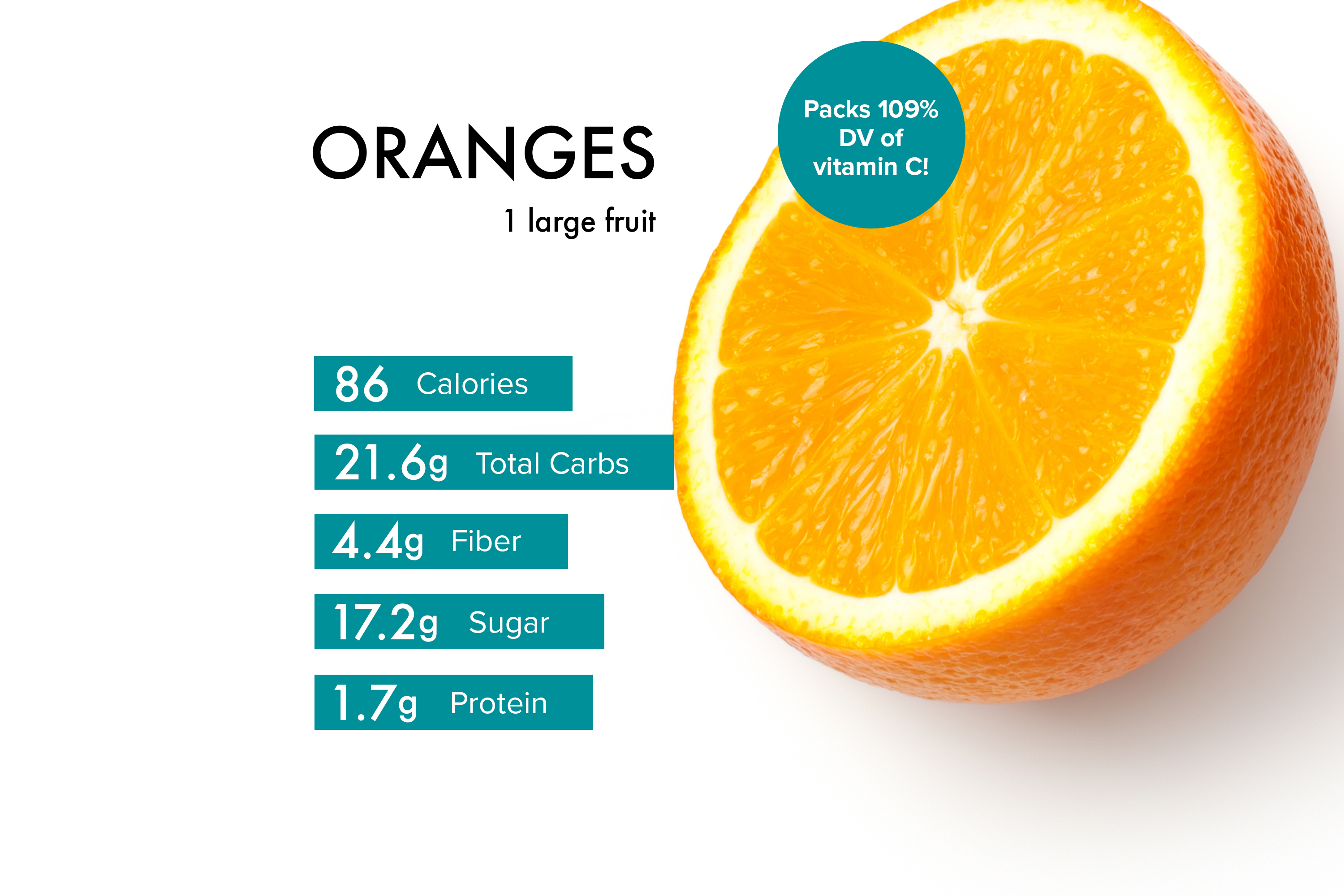
Oranges are not only delicious but also packed with essential nutrients. They are an excellent source of vitamin C, providing about 64% of the daily recommended intake in just 100 grams. In addition to vitamin C, oranges contain dietary fiber, potassium, and various phytochemicals, including flavonoids and carotenoids.
Interestingly, it takes nearly 14 gallons of water to grow one orange, underscoring the environmental impact of orange cultivation. As concerns over water usage in agriculture continue to grow, understanding these figures contributes to discussions on sustainable practices in fruit production.
Nutritional Benefits Of Oranges
- Vitamin C: Essential for immune function and skin health.
- Dietary Fiber: Aids in digestion and promotes gut health.
- Potassium: Supports heart health and muscle function.
- Phytochemicals: Includes flavonoids that may reduce inflammation and enhance health.
7. Cultural And Economic Impact Of Oranges
Oranges have played a significant role in various cultures throughout history. They are often associated with prosperity and good fortune, making them popular gifts during festivals and celebrations. For instance, in Chinese culture, oranges are linked to happiness and are frequently exchanged during the Lunar New Year.
Economically, oranges are vital to the agricultural sector. The global orange market is worth billions of dollars, with Brazil, the United States, and India being major producers. The demand for fresh oranges and orange juice continues to rise, with orange juice being preferred over other fruit juices in many markets, comprising 90% of cultivated oranges in the U.S.
Economic Significance
- Global Market Value: The orange market contributes significantly to the agricultural economy.
- Production Leaders: Brazil, the United States, and India are key players in global orange production.
- Cultural Significance: Oranges are often seen as symbols of good luck in various cultures, enhancing their market appeal.
8. Environmental Impact Of Orange Cultivation
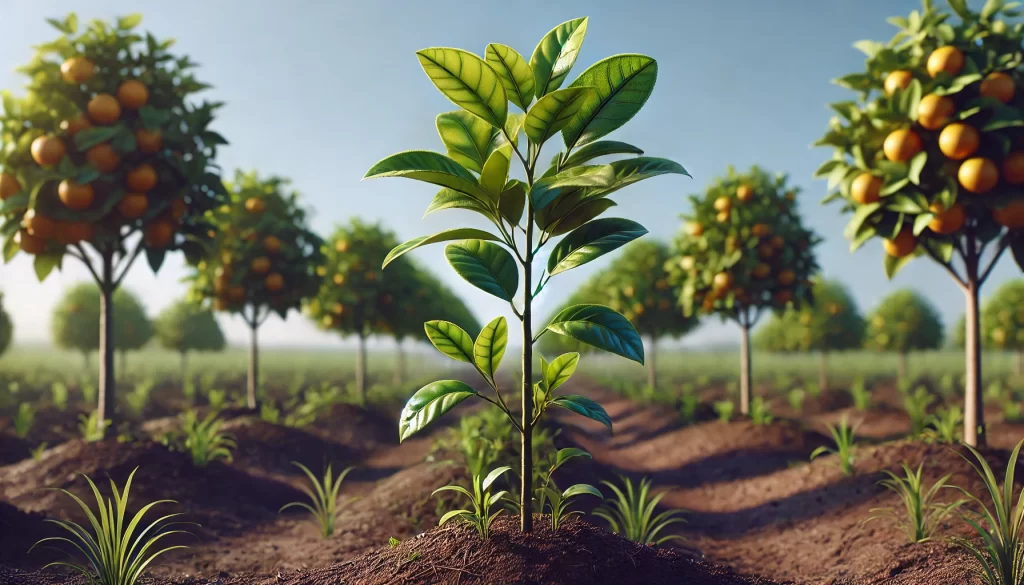
The environmental impact of orange cultivation is a pressing concern, particularly regarding water usage and pest management. The substantial water requirements for orange production raise questions about sustainability and the practices employed in the agricultural sector.
Farmers are increasingly adopting innovative methods to protect trees from pests while minimizing their environmental footprint.
Sustainable practices in orange cultivation are essential for maintaining production levels while safeguarding natural resources for future generations.
Sustainable Practices In Orange Farming
- Drip Irrigation: Minimizes water waste and targets root zones.
- Integrated Pest Management: Combines biological, cultural, and chemical practices to manage pests effectively.
- Organic Farming: Reduces chemical usage and promotes soil health.
9. Interesting Facts About Oranges
Here are some intriguing facts that highlight the uniqueness of oranges:
- Not All Oranges Are Orange: Oranges grown in tropical climates may retain green coloring due to preserved chlorophyll, despite being ripe.
- The Etymology of "Orange": The word “orange” derives from the Sanskrit word for “orange tree” (naranga) and has evolved through various languages over centuries.
- Historical Uses: Oranges have been cultivated for medicinal purposes, particularly in ancient China, where they were used to treat scurvy.
FAQs About Is Orange A Hybrid Fruit?
What Are The Parent Species Of Oranges?
The sweet orange is primarily a hybrid of the pomelo and the mandarin, which contribute to its flavor and characteristics.
Are All Oranges Hybrids?
Not all oranges are hybrids, but the most commonly consumed varieties, like sweet oranges, are indeed hybrids resulting from crossbreeding.
How Do Hybrid Oranges Differ From Non-hybrid Varieties?
Hybrid oranges typically have enhanced traits such as better taste, improved shelf life, and greater disease resistance compared to non-hybrid varieties.
What Is The Most Popular Type Of Orange?
The navel orange is often considered the most popular type due to its sweet taste and seedless nature, making it a favorite for snacking.
Why Are Oranges Significant In Various Cultures?
Oranges are often seen as symbols of good fortune and happiness in many cultures, making them popular gifts during celebrations and festivals.
Conclusion
Oranges are classified as hybrid fruits, primarily derived from the pomelo and mandarin. Their rich history and genetic diversity highlight the fascinating journey of oranges from ancient origins to modern-day consumption.
Understanding the hybrid nature of oranges not only enriches appreciation for this fruit but also underscores the significance of hybridization in agriculture.
You Might Like: How To Prepare Homemade Pizza Dough In 13 Simple Steps