Picture the smallest fruit you can think of. Is it a raisin? A cranberry? Perhaps a tiny, unripe blueberry?
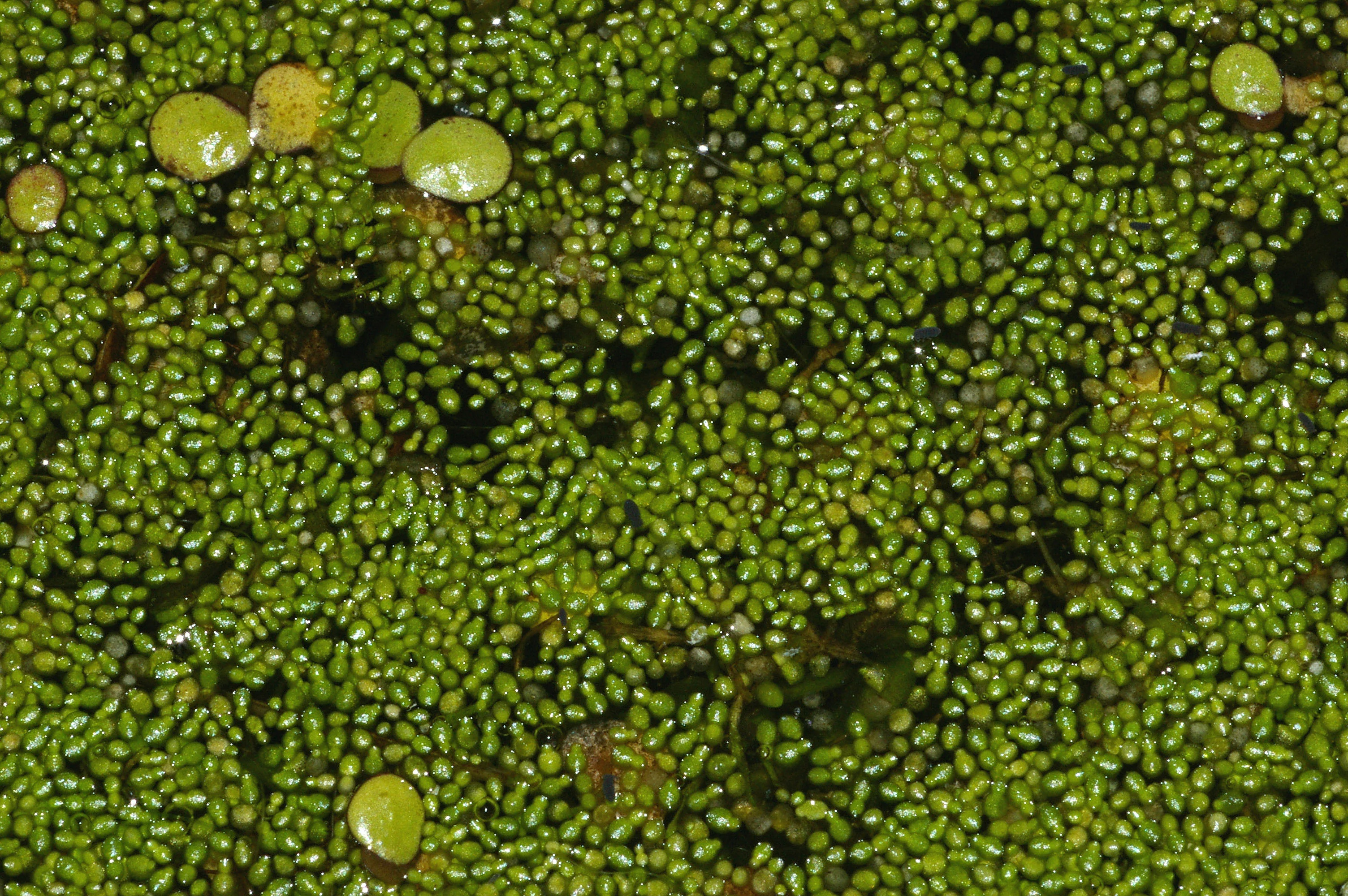
None of these come close to the smallest fruit on Earth, which belongs to a remarkable plant called Wolffia globosa. Known as “watermeal,” this minuscule plant, which floats peacefully on calm water surfaces, produces the tiniest fruit in existence.
So small that it appears like a speck of dust, Wolffiais not only unique for its size but also for its ecological and nutritional significance.
As both the smallest fruit and the smallest flowering plant, Wolffiaholds a fascinating place in the plant kingdom.
Beyond its size, it plays an important role in ecosystems, supports sustainable food initiatives, and is even being studied for its potential as a superfood. Let’s dive into the incredible world of Wolffiaand uncover why it’s gaining attention in unexpected ways.
Botanical Background: What Qualifies As A Fruit?
To understand why Wolffiais considered the smallest fruit, we first need to understand what qualifies as a fruit in botanical terms. Scientifically, a fruit is the mature ovary of a flowering plant that typically contains seeds, facilitating the reproduction of the plant.
While we might think of fruits as large, juicy, or sweet, botanically, they encompass a broad variety, from the fleshy berries of tomatoes to the small, seed-bearing pods of mustard plants.
Wolffia globosafits this definition. Its fruit is a tiny structure known as a “utricle”—a one-seeded, bladder-like form that remains intact rather than splitting open to release its seed.
While fruits like apples or peaches develop thick protective skins or fleshy interiors, Wolffia’s fruit is designed to float, a unique adaptation for its aquatic habitat.
Record-Breaking Botanicals: Smallest Fruit, Largest Seed, And More
The natural world is full of fascinating extremes, and Wolffia globosais just one example. Botanists have identified various “record-breakers” in nature, from the smallest seeds to the largest fruits, each with unique adaptations to survive and thrive in their environments.
Comparing The World’s Smallest Fruits And Seeds
- Mustard Seed: While famously small, mustard seedsare still far larger than Wolffiafruits. Despite the biblical reference to “faith like a mustard seed,” these seeds are comparatively large.
- Orchid Seeds: Certain rainforest orchidsproduce seeds so tiny they resemble dust particles and weigh just 35 millionths of an ounce. Unlike Wolffia, these seeds rely on wind and a symbiotic fungus to grow.
- Coco-de-mer Palm: At the opposite end of the spectrum, the coco-de-mer palm produces the world’s largest seed, weighing over 40 pounds and reaching lengths up to 12 inches.
These record-breakers highlight Wolffia’s unique place as the smallest fruit in the plant world, a title it holds with fascinating adaptations.
Related: What Is The Longest Fruit Name Ever?
Introducing Wolffia: The World’s Smallest Fruit And Smallest Flowering Plant
What Is Wolffia?
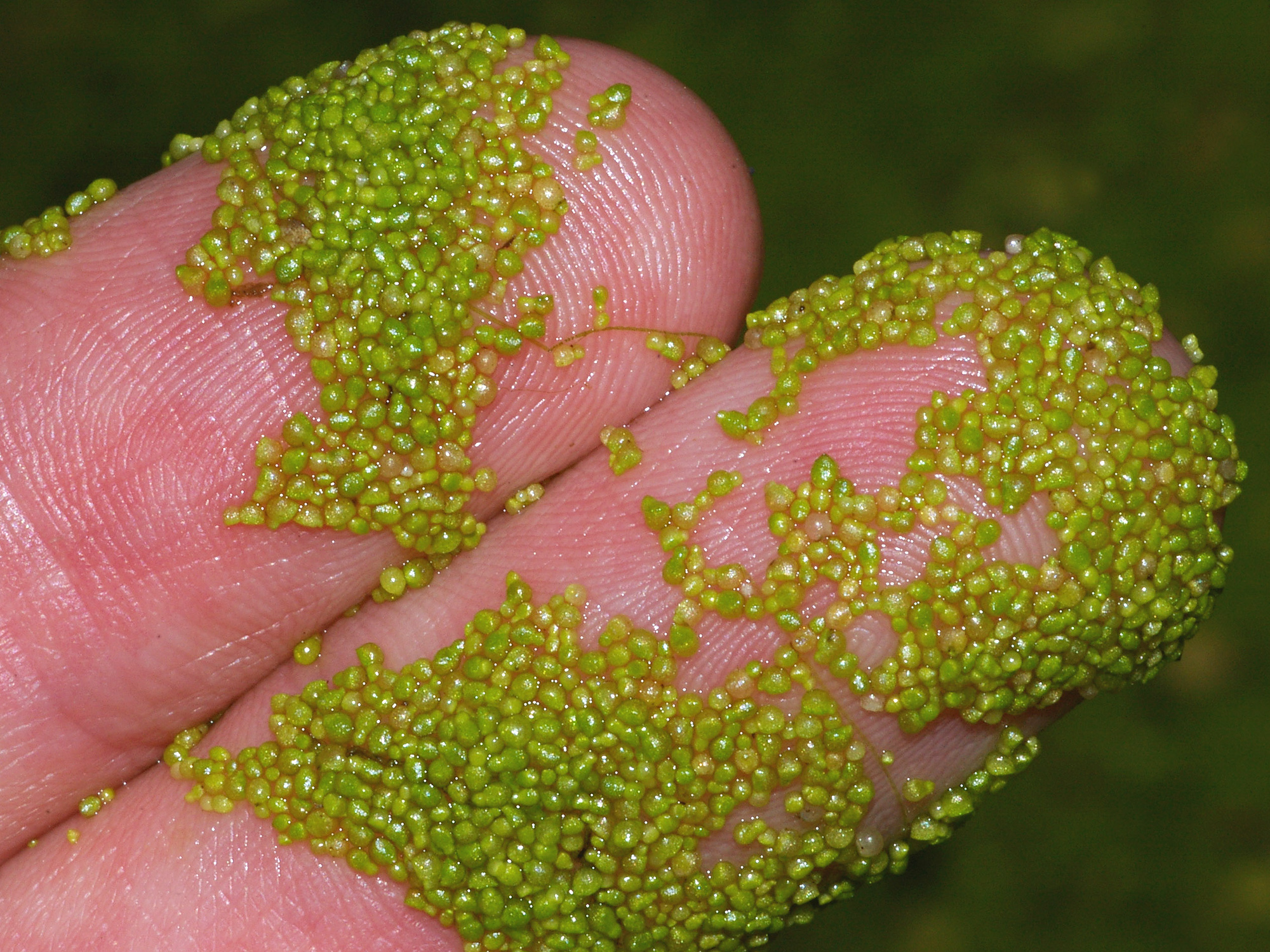
Wolffia, part of the duckweed family (Lemnaceae), includes some of the world’s smallest flowering plants.
Floating freely on the surface of still water, Wolffiaplants are rootless and lack stems, appearing as tiny, green ovals that cluster together to form a mat-like layer.
Found in the calm ponds and lakes of Asia, Africa, and Australia, Wolffiathrives in freshwater environments, supporting a micro-ecosystem within its leafy clusters.
The Fruit Of Wolffia
Wolffia globosa’s fruit is classified as an “indehiscent utricle,” a single-seeded, bladder-like structure that remains intact on the water surface. This tiny fruit measures just 0.3 mm—about the size of a grain of table salt—and weighs around 70 micrograms.
Despite its minuscule size, the fruit plays a crucial role in dispersing the plant and supporting its unique floating lifestyle.
Species Within The Wolffia Genus: Wolffia Globosa And Wolffia Angusta
Wolffia Globosa
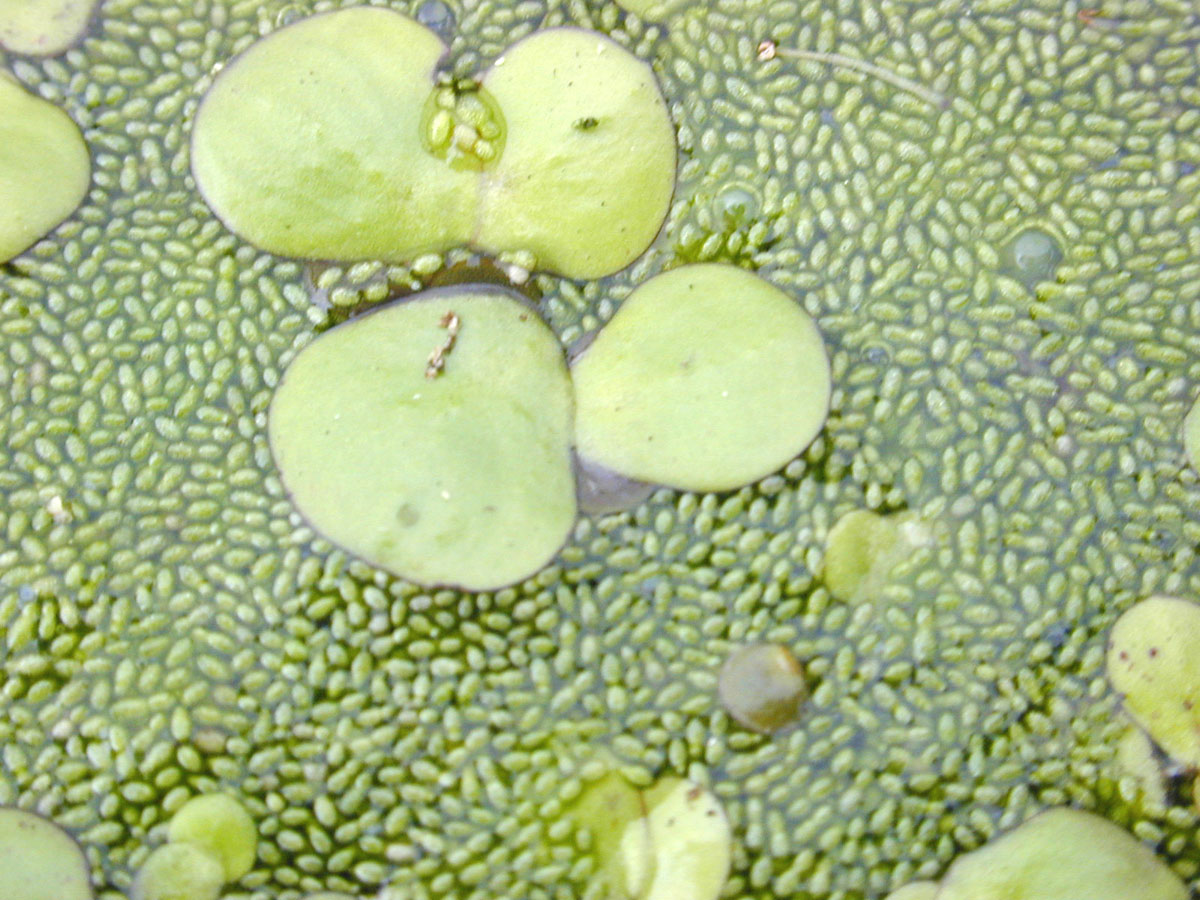
Among the 11 known Wolffiaspecies, Wolffia globosais one of the smallest and is commonly found in freshwater bodies across Asia and Africa.
The plant’s floating clusters often form a mat on the water surface, supporting a variety of aquatic organisms. Its fruit, which is only visible under a microscope, exemplifies nature’s adaptability in confined spaces.
Wolffia Angusta
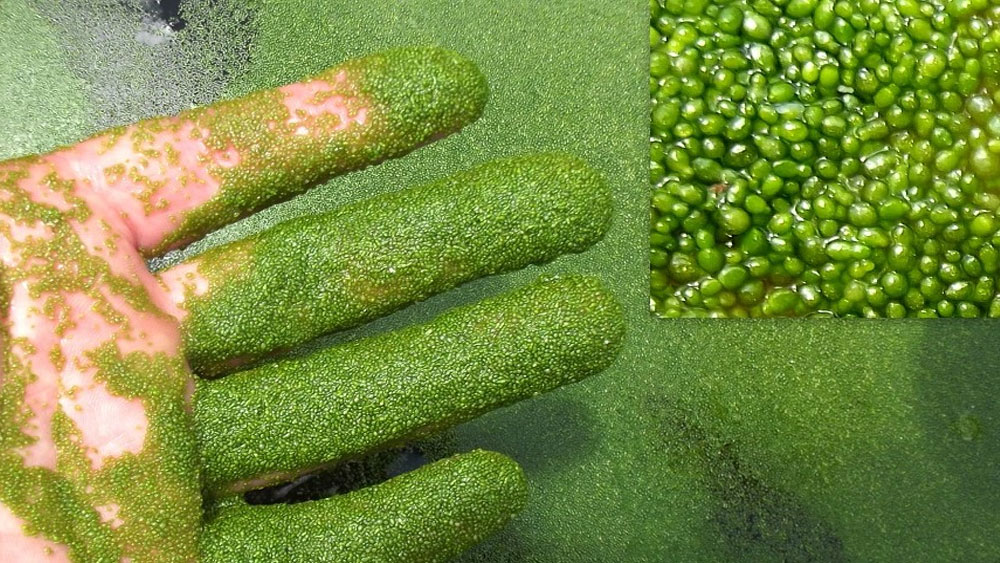
The Australian species Wolffia angustais nearly identical to Wolffia globosain size, with a fruit that measures around 0.3 mm. The resemblance between these two species is so close that distinguishing between them often requires a microscope.
Both plants occupy similar niches and share similar ecological roles, underscoring their evolutionary efficiency.
Nutritional Composition And Potential Culinary Uses Of Wolffia
Nutritional Profile
Wolffia globosamay be tiny, but it packs a powerful nutritional punch. Comprising up to 40% protein by weight, Wolffiaserves as an excellent plant-based protein source, rich in essential amino acids, vitamins B12 and A, and minerals like calcium and iron. This makes it an appealing option for those seeking high-nutrient, sustainable foods.
Culinary Uses In Southeast Asia
In countries like Thailand and Laos, Wolffiahas been part of the traditional diet for centuries. Known for its mild, peppery flavor similar to watercress, Wolffiais harvested from ponds and used in soups, salads, and omelets. Its nutrient density makes it a valuable addition to these dishes.
The Future Of Wolffia In Modern Diets
As a sustainable protein source, Wolffiahas garnered interest as an emerging superfood. Some health enthusiasts speculate it could become a “microgreen” of the aquatic world, ideal for smoothies, salads, and more.
With its rapid growth and minimal resource requirements, Wolffiamay soon appear in Western markets as “grow-your-own” kits or specialty food products.
See Also: What Is The Sweetest Fruit? 15 Exotic And Sugary Choices You Must Try
Environmental And Economic Importance Of Wolffia
Ecological Benefits Of Wolffia
Floating Wolffiaprovides essential shelter and food for small aquatic organisms, helping sustain biodiversity in freshwater environments. Its dense, mat-like formations offer shade, oxygen, and protection, creating a stable habitat for aquatic life.
Potential For Biofuel And Water Purification
Thanks to its rapid growth, Wolffiais explored as a sustainable biofuel source, providing a carbon-neutral alternative without competing for land resources. It also naturally absorbs heavy metals and other contaminants, offering a low-cost solution for water purification.
Sustainability And Space Travel Applications
As a nutrient-dense plant, Wolffiahas potential as a renewable food source for space missions. Its rapid growth and minimal resource needs make it a practical option for providing essential nutrients in a closed space environment.
Challenges In Cultivating Wolffia
Growing Wolffiaat scale requires clean, nutrient-rich water, controlled temperature, and a contamination-free environment. Ensuring these conditions can be challenging, making commercial cultivation a more complex task than initially apparent.
Read Also: Are Grapes Natural Or Man-Made? Discover The Origins

Interesting Facts About Wolffia And Other Tiny Fruits
- Rapid Growth: Wolffiacan double in population in just 48 hours under ideal conditions.
- Small but Significant: Each fruit is about the size of a grain of salt and one of nature’s smallest structures.
- Smallest Fruit vs. Smallest Seed: While Wolffiaholds the title for smallest fruit, orchids have the smallest seeds, many of which resemble fine dust.
- Natural Green Mat: When clustered together, Wolffiaforms a green carpet on water surfaces, a unique sight that supports small fish and insects.
FAQs About The Smallest Fruit
Is Wolffia Edible?
Yes, Wolffiais edible and nutrient-dense, often added to traditional dishes in Southeast Asia. Its flavor is similar to watercress, adding a fresh, peppery note to foods.
How Does Wolffia Compare To Other Tiny Fruits?
Compared to other small fruits, Wolffia’s size of 0.3 mm makes it the smallest known fruit, easily out-sizing other contenders like mustard seeds and blackberry drupelets.
Can Wolffia Be Grown At Home?
Wolffiacan be grown at home with clean, nutrient-rich water and controlled temperatures, though it is not widely available. “Grow-your-own” kits may soon enter the market.
What Are The Health Benefits Of Wolffia?
Rich in protein, vitamin B12, and iron, Wolffiaprovides a sustainable plant-based protein option with antioxidant benefits that support overall wellness.
Conclusion
The smallest fruit in the world, Wolffia globosa, is far more than a botanical curiosity. From supporting aquatic ecosystems to offering a high-protein superfood, this plant showcases the potential of nature’s tiniest creations.
With sustainable food, biofuel, and even space travel applications on the horizon, Wolffiamay hold the key to future innovations.
For the curious reader, the next time you see a pond covered in green, take a closer look-you might just spot the world’s tiniest fruit.