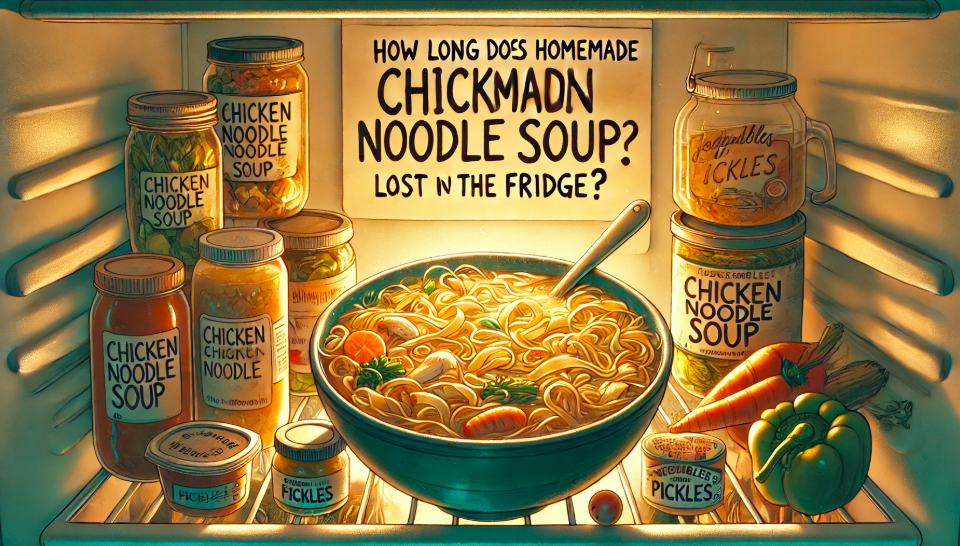
Homemade chicken noodle soup typically lasts for 3 to 4 days in the refrigerator when stored correctly. This estimate assumes proper handling, storage, and refrigeration at the right temperature. The soup must be kept at or below 40°F (4°C) to slow bacterial growth. If you need to keep it longer, freezing is a better option. While the soup may still appear safe to consume after 4 days, consuming it within this timeframe is advisable to reduce the risk of foodborne illness.
Proper refrigeration is critical for extending the soup’s shelf life. Ensure that the soup is placed in the fridge promptly, preferably within two hours of cooking. Leaving it out at room temperature for too long can encourage bacterial growth, reducing its safe storage time.
Factors That Affect the Shelf Life of Homemade Chicken Noodle Soup
Several factors influence how long your homemade chicken noodle soup remains fresh and safe to eat:
- Ingredients Used The type and freshness of ingredients play a significant role in the soup's shelf life. Fresh vegetables, high-quality chicken, and a properly prepared broth contribute to a longer-lasting soup. Pre-cooked or processed ingredients may shorten the storage time.
- Cooking Method Cooking the soup to the correct temperature (165°F or 74°C for poultry) ensures that harmful bacteria are killed during preparation. Inadequate cooking leaves room for bacterial growth, which reduces the soup's safe storage duration.
- Storage Practices Proper storage is crucial. If the soup is left at room temperature for more than two hours, bacterial growth can accelerate. Additionally, storing the soup in airtight containers prevents air and moisture from promoting spoilage.
- Reheating Frequency Repeatedly reheating and cooling the soup can encourage bacteria to multiply. Each time you reheat the soup, ensure that it reaches a temperature of 165°F (74°C) to kill any potential bacteria.
- Refrigerator Conditions The overall cleanliness and temperature stability of your refrigerator also affect the soup's shelf life. A consistent temperature below 40°F (4°C) is essential for slowing bacterial growth.
Proper Storage Tips for Homemade Chicken Noodle Soup
Storing your chicken noodle soup correctly ensures it stays fresh and safe to eat. Here are some essential tips:
- Cool the Soup Quickly After cooking, allow the soup to cool to room temperature within two hours. Use shallow containers to speed up the cooling process, as large, deep containers retain heat and slow cooling.
- Use Airtight Containers Store the soup in airtight, leak-proof containers to keep moisture out and prevent contamination. Glass or BPA-free plastic containers with secure lids work best.
- Label and Date Write the preparation date on the container. This makes it easier to track how long the soup has been stored and ensures you consume it within the recommended timeframe.
- Refrigerator Placement Place the soup on a shelf rather than the refrigerator door, as the temperature inside the door fluctuates when opened frequently. Consistent cold temperatures are better for preserving the soup.
- Avoid Overloading the Refrigerator Ensure proper air circulation in the fridge by not overcrowding it. Good airflow helps maintain even cooling for all stored foods, including soup.
Signs That Your Homemade Chicken Noodle Soup Has Gone Bad
Before consuming leftover soup, it's essential to inspect it for spoilage. These are the common signs that your chicken noodle soup has gone bad:
- Foul Odor A sour, unpleasant, or unusual smell indicates spoilage. Fresh soup should have a savory aroma.
- Appearance Changes Spoiled soup may develop a cloudy appearance, color changes, or a film or mold on the surface. Discard the soup immediately if you notice any of these changes.
- Texture Changes If the noodles, chicken, or broth feel slimy, it’s a sign of bacterial growth. The soup should have a smooth, consistent texture.
- Off Taste If the soup tastes sour, bitter, or otherwise unappetizing, it is no longer safe to eat. Avoid tasting questionable soup in large amounts.
Can You Freeze Homemade Chicken Noodle Soup to Extend Its Shelf Life?
Yes, you can freeze homemade chicken noodle soup to extend its shelf life. Freezing is an effective way to preserve the soup for future meals, as it halts bacterial growth and maintains its quality.
- Storage Duration Frozen chicken noodle soup maintains its best quality for 4 to 6 months. While it remains safe to eat beyond this period, its texture and flavor may diminish.
- Thawing and Reheating Thaw frozen soup in the refrigerator overnight or use the microwave on the defrost setting. Reheat it on the stove or microwave, ensuring it reaches 165°F (74°C) before consumption.
Reheating Homemade Chicken Noodle Soup Safely
Proper reheating ensures the soup is safe and enjoyable. Follow these methods:
- Stovetop Method
- Microwave Method
- Avoid Overheating Overheating can cause the noodles to become mushy and the chicken to lose its tenderness. Heat the soup just enough to make it hot and enjoyable.
How to Maximize the Freshness of Homemade Chicken Noodle Soup
- Fresh Ingredients Start with fresh chicken, vegetables, and broth to maximize the soup's initial quality. Avoid using ingredients that are close to their expiration dates.
- Prompt Refrigeration Transfer the soup to the refrigerator within two hours of cooking to minimize the risk of bacterial growth.
- Portion Control Store the soup in smaller portions to avoid reheating the entire batch multiple times. This practice preserves the quality of the soup and minimizes waste.
- Avoid Cross-Contamination Use clean utensils and avoid tasting directly from the storage container. This prevents introducing bacteria into the soup.
- Temperature Control Ensure your refrigerator is set to the correct temperature (40°F or below) and avoid frequent opening of the fridge door, as this can cause temperature fluctuations.