![How To Store Fresh Herbs [2024 Tips For Home Cooks]](https://www.hangrypants.com/wp-content/uploads/2024/12/82d314882be7aed2/how-to-store-fresh-herbs.jpeg)
Fresh herbs can elevate any dish with vibrant flavors and enticing aromas, but keeping these delicate greens fresh is often a challenge. Have you ever found wilted parsley at the back of your fridge or tossed out a shriveled basil plant? Knowing how to store fresh herbseffectively minimizes waste and ensures you have flavorful ingredients on hand when inspiration strikes.
Implementing the right storage methods can significantly enhance your cooking experience. From preserving herbs in the refrigerator to clever freezing strategies, this article provides essential tips to keep your greens fresh and ready to enhance your meals. Say goodbye to spoiled herbs and hello to a kitchen filled with aromatic greens.
The Benefits Of Fresh Herbs In Cooking
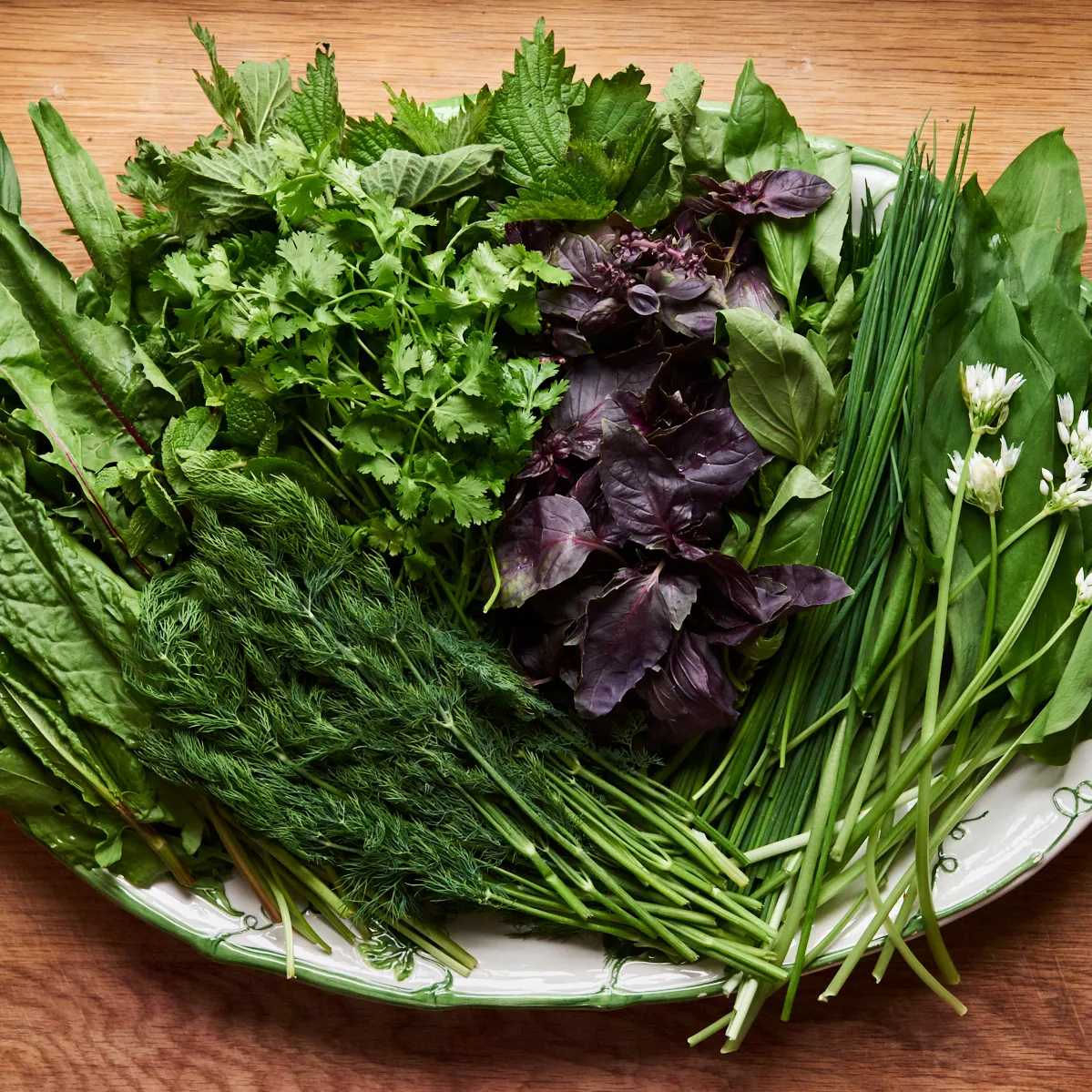
Fresh herbs bring a multitude of benefits to your kitchen. They not only enhance the flavor profile of your dishes but also add vibrant color and aroma. Herbs like basil, parsley, cilantro, and thyme can transform simple recipes into gourmet experiences. For anyone looking to become a cooking pro, fresh herbs are indispensable.
In addition to their culinary benefits, they are packed with vitamins, minerals, and antioxidants. For instance, parsley is high in vitamin K, while basil contains anti-inflammatory properties. Incorporating fresh herbs into your meals not only boosts flavor but also adds nutritional value, making them an essential ingredient in healthy cooking.
Why Do Herbs Go Bad?
Herbs can spoil for several reasons, primarily related to their moisture content and handling. Practicing food safetyis essential to keep herbs fresh for longer. Fresh herbs are highly perishable and sensitive to environmental factors. Key reasons for spoilage include:
- Moisture: Excess moisture can lead to mold growth and decay. Conversely, insufficient moisture can cause herbs to wilt and dry out.
- Temperature: Storing herbs at improper temperatures can accelerate spoilage. Heat can cause herbs to deteriorate rapidly, while extreme cold can damage delicate leaves.
- Light Exposure: Direct sunlight can dehydrate herbs and cause them to lose flavor and aroma.
- Handling: Rough handling or bruising can lead to bruising, which speeds up the decay process.
General Guidelines For Storing Fresh Herbs
To keep your fresh herbs vibrant and flavorful, follow these best practices:
- Preparation: Before storage, gently rinse your herbs to remove any dirt. Pat them dry with a paper towel or use a salad spinner to remove excess moisture.
- Trim the Stems: For herbs with stems, trim the ends before storing. This can help them absorb moisture better.
- Separate by Type: Different herbs have different storage needs. Group them accordingly to ensure each type gets the optimal environment for freshness.
Implementing these guidelines can significantly extend the life of your fresh herbs.
Storing Herbs In The Refrigerator
1. Using Water Vases
For herbs like basil, parsley, and mint, storing them in water can be very effective. Trim the stems and place the herbs upright in a glass or jar filled with water, like a bouquet. Cover the leaves loosely with a plastic bag and store them in the refrigerator. Change the water every few days to keep the herbs fresh.
2. Herb Bags
Soft herbs such as cilantro and dill can be stored in perforated plastic bags. After washing and drying the herbs, place them in the bag, ensuring there’s some air circulation. Store the bags in the refrigerator, which helps maintain humidity while allowing excess moisture to escape.
3. Wrapped In Damp Paper Towels
Another effective method is to wrap your herbs in slightly damp paper towels. After rinsing and drying, lay the herbs flat in a single layer on a paper towel, roll them up gently, and place them in a resealable bag.
For other ingredients, like meats, using similar techniques can help tenderize meatnaturally, keeping it flavorful and juicy. Store the bag in the refrigerator. This method helps maintain moisture without risking mold growth.
Freezing Fresh Herbs
Freezing is an excellent way to preserve herbs for long-term use. Here are two effective methods:
- Whole Leaf Freezing: Rinse and dry the herbs, then chop them if desired. Spread them on a baking sheet and freeze until solid. Once frozen, transfer them to airtight containers or freezer bags for storage.
- Ice Cube Trays: Another popular method is to finely chop herbs and mix them with water or oil. Pour the mixture into ice cube trays and freeze. Once solid, transfer the cubes to a freezer bag. This method allows you to easily add herbs to soups, stews, or sauces.
Both methods help retain the flavor and aroma of fresh herbs, allowing you to enjoy them long after the growing season.
Drying Fresh Herbs
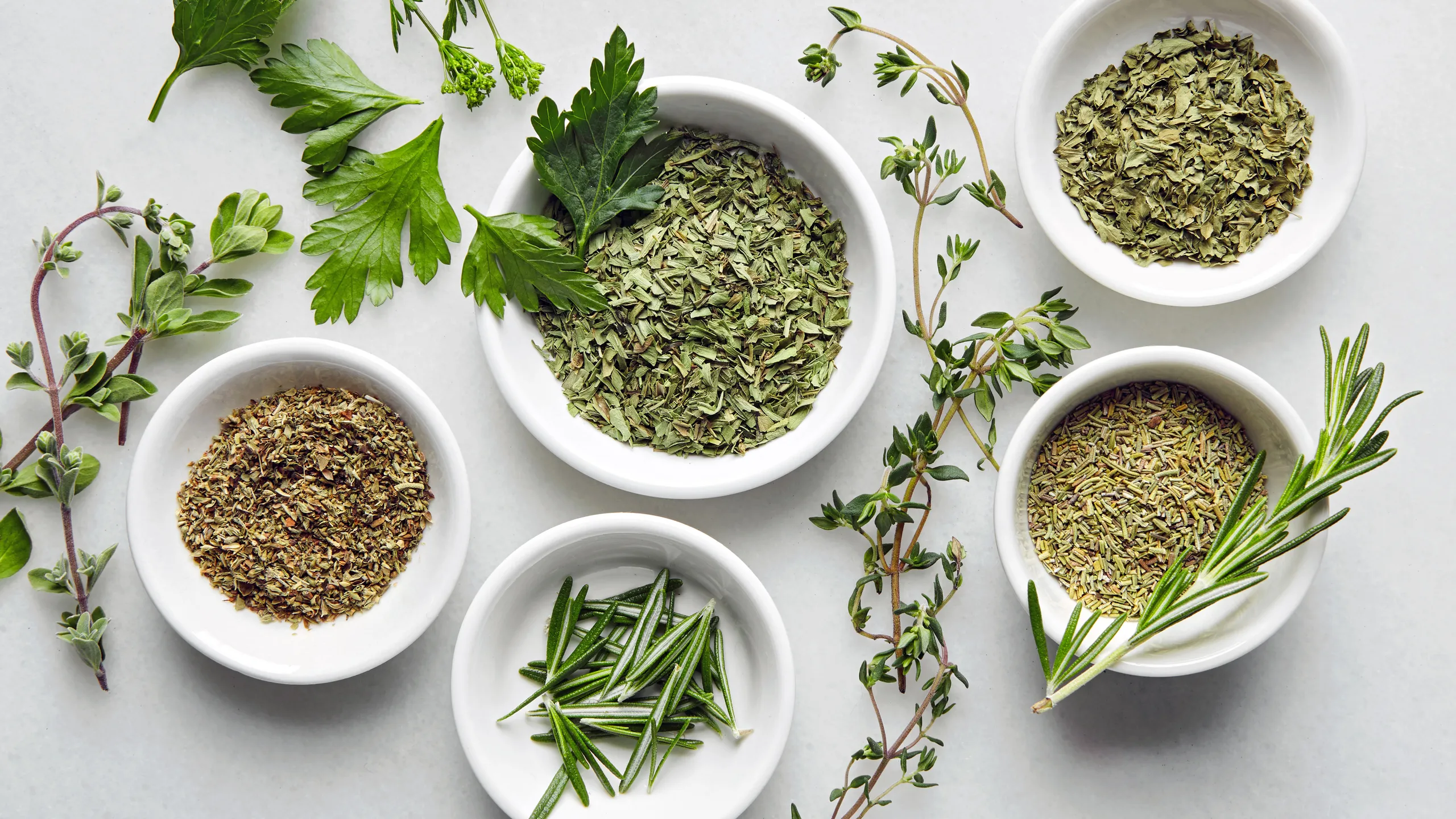
Drying is a traditional method for preserving herbs and can be done in several ways:
- Air Drying: Bundle herbs together with string and hang them upside down in a dry, dark, well-ventilated area. This method works best for herbs with sturdy stems, like rosemary and thyme.
- Oven Drying: For a quicker option, spread herbs in a single layer on a baking sheet and place them in a low-temperature oven (around 180°F or 82°C). Keep the oven door slightly ajar to allow moisture to escape.
- Dehydrating: A food dehydratorcan also be used to dry herbs effectively. Follow the manufacturer’s instructions for optimal results.
Once dried, store the herbs in airtight containers away from light and moisture to maintain their flavor.
Common Mistakes To Avoid When Storing Herbs
To keep your herbs fresh, avoid these common mistakes:
- Washing Before Storage: Washing herbs before storage can introduce excess moisture, leading to mold. Always wash just before use.
- Overcrowding Containers: Crowding herbs can lead to bruising and quicker spoilage. Store them in appropriate-sized containers to allow airflow.
- Ignoring Temperature: Failing to refrigerate herbs that require it can lead to rapid spoilage. Always store sensitive herbs in the refrigerator.
Being aware of these pitfalls will help you maintain the freshness of your herbs for longer.
FAQs
How Long Do Fresh Herbs Last?
Fresh herbs typically last about 1 to 2 weeks in the refrigerator when stored properly. Soft herbs like basil and cilantro may have a shorter shelf life compared to sturdier ones like rosemary or thyme.
Can I Store Herbs In The Freezer For A Long Time?
Yes, herbs can be stored in the freezer for several months. Properly frozen herbs can retain their flavor and aroma for up to six months.
Is It Better To Store Herbs In Water Or Dry Them?
It depends on the type of herb. Soft herbs like basil and parsley benefit from being stored in water, while sturdy herbs can be dried for longer preservation.
Can I Use Dried Herbs Instead Of Fresh?
Yes, you can use dried herbs in place of fresh, but keep in mind that dried herbs are more concentrated. A general rule of thumb is to use one-third of the amount of dried herbs as you would fresh.
How Can I Tell If My Herbs Have Gone Bad?
Signs that herbs have gone bad include wilting, yellowing leaves, or a slimy texture. If herbs emit a strong, unpleasant odor, they should be discarded.
Conclusion
Mastering herb storage is key to enjoying fresh flavors in your cooking, and it's easier than you think. Techniques like using water vases or freezing herbs in ice cube trays will help keep your herbs vibrant and flavorful. By applying these strategies, you maximize their shelf life and enhance your culinary creations.
As you try out different storage methods, you’ll discover what works best for your kitchen routine. Embrace the freshness of herbs in your dishes and enjoy the satisfaction of reducing waste while boosting flavor. With these tips, your meals will always be enriched with the wonderful essence of fresh herbs.